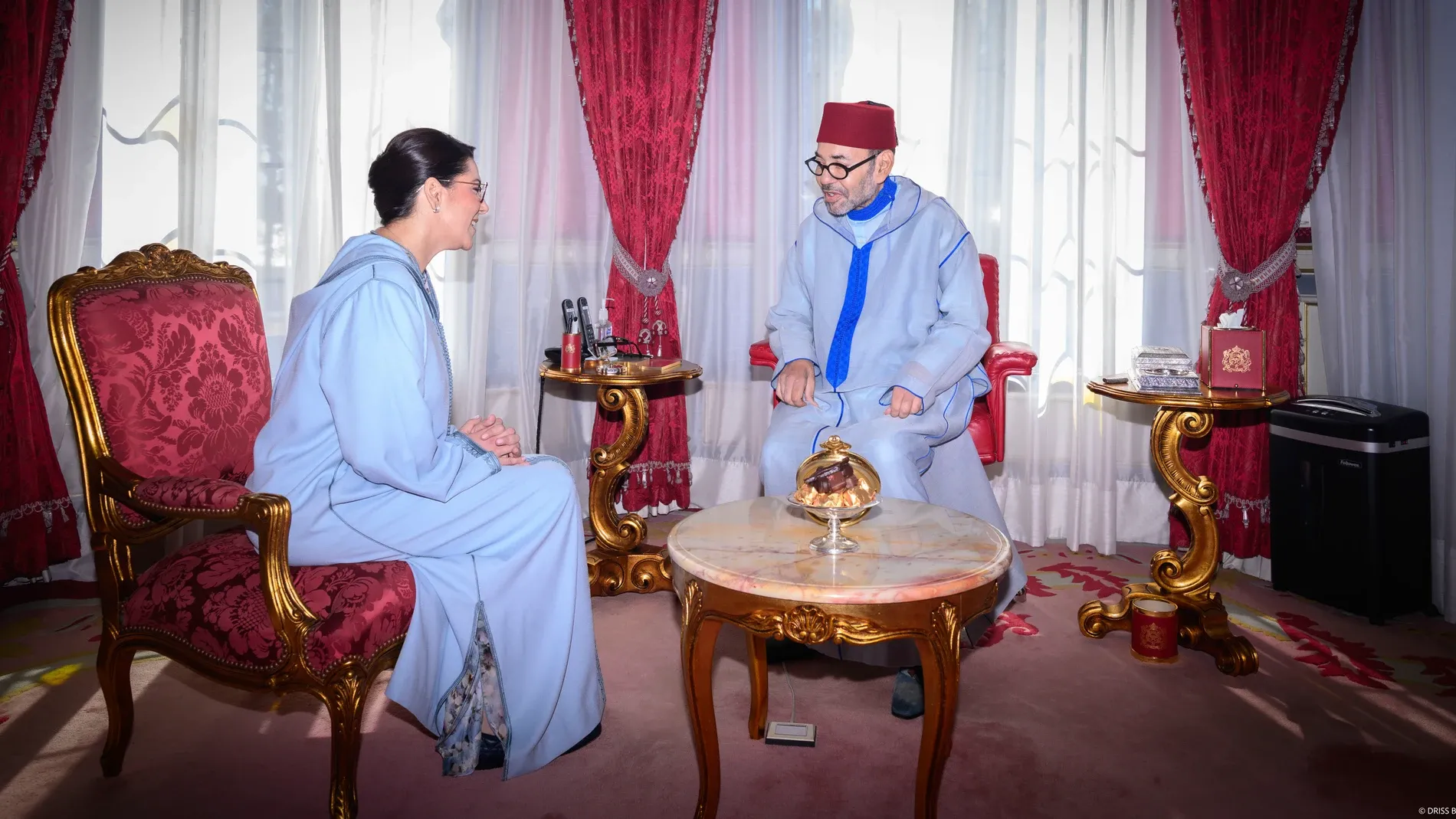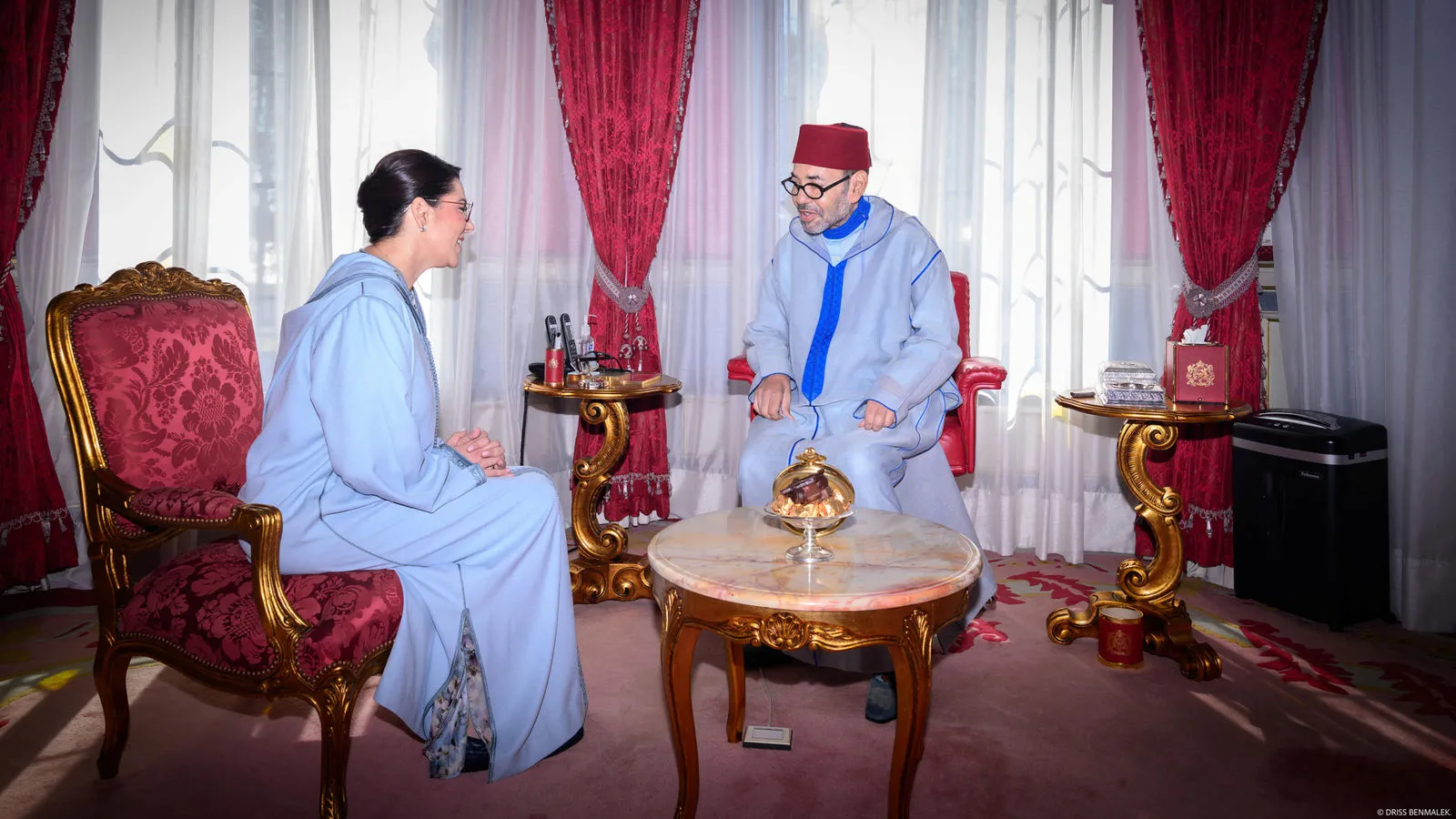

Fatima Ezzahra El Mansouri Takes the Helm as Morocco's First Woman Prime Minister
In a momentous development for Moroccan politics, King Mohammed VI has appointed Fatima Ezzahra El Mansouri as the country's first female prime minister following her liberal-centrist party's success in the September 23 parliamentary elections. The official announcement was made by the royal palace, emphasizing the king's trust in El Mansouri to form a new government. The Authenticity and Modernity Party (PAM), which El Mansouri leads, emerged victorious in the elections, positioning itself as a significant alternative to the Islamist Justice and Development Party (PJD) by championing social modernization and secular perspectives since its establishment in 2008 by a royal adviser.
Morocco operates under a constitutional monarchy where the king wields considerable influence over various domains, including foreign policy and defense. According to the country's constitution, the king is tasked with appointing the head of government from the political faction that secures the majority of seats in the House of Representatives. In this latest electoral cycle, PAM ascended to the forefront, having been the second-largest member of the previous coalition, thanks to the strategic recruitment of influential figures like Fouzi Lekjaa, the head of Morocco’s football federation, just weeks prior to the elections.
Challenges Ahead for El Mansouri's Government
As a seasoned lawyer and former housing minister, El Mansouri, who has also served as the mayor of Marrakech, will now initiate discussions to establish a coalition government and present a cabinet roster for the king's endorsement. The newly formed government will play a crucial role in overseeing the final phases of a $20 billion initiative aimed at preparing for the 2030 World Cup, which Morocco is set to co-host alongside Portugal and Spain. Furthermore, it will be responsible for implementing economic strategies to alleviate the pervasive discontent among the youth, a situation accentuated by the recent border crises and protests led by the younger generation.
In the elections, PAM secured 97 seats, leading ahead of its coalition partners, the National Rally of Independents (RNI), which garnered 66 seats, and the conservative nationalist Istiqlal party with 65 seats. Despite previous tensions and public disagreements over policy failures, particularly concerning rising food prices, El Mansouri has indicated a willingness to negotiate without imposing any “red lines.” In contrast, the PJD, under the leadership of former prime minister Abdelilah Benkirane, remains in opposition after winning 54 seats. Notably, voter turnout has decreased significantly, dropping to approximately 38 percent compared to about 50 percent in the previous elections five years ago, signifying a waning trust in elected institutions.
Historically, King Mohammed VI has made strides toward gender equality in leadership, having appointed female advisers and included women in senior institutional roles within the government, which previously included four female ministers. El Mansouri's appointment not only marks a significant milestone for gender representation in Moroccan politics but also reflects the evolving landscape of governance in the country.
As reported by theeastafrican.co.ke.