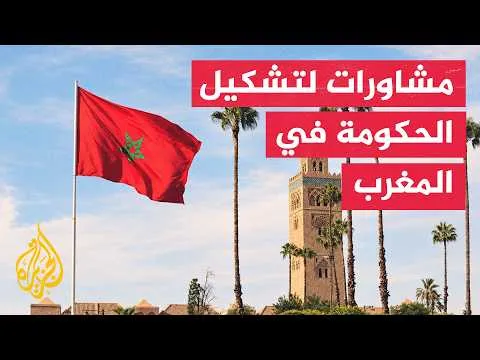
The Moroccan monarchy has made a groundbreaking decision with the appointment of Fatima Ezzahra El Mansouri as the country's inaugural female prime minister. This significant announcement came from the royal cabinet on Tuesday, following her party's impressive victory in last week’s parliamentary elections. El Mansouri, who previously served as the mayor of Marrakesh, led the centre-right Authenticity and Modernity Party (PAM) to triumph, capturing 97 out of 395 seats in the House of Representatives—31 more than the nearest rival. However, it is noteworthy that this election was characterized by the lowest voter turnout in two decades, indicating a potential disconnect between the electorate and the political process.
At the age of 50, El Mansouri has been entrusted by King Mohammed VI with the crucial task of forming a new government. Despite the PAM’s significant win, the absence of an outright majority means that El Mansouri will need to navigate coalition-building with other parties to ensure a stable five-year governance. This scenario underscores the monarch's enduring influence over key policy decisions, as the king retains substantial authority in Moroccan politics. The PAM, established in 2008 by royal advisor Fouad Ali El Himma as a countermeasure to the Islamist movement, now faces the challenge of transforming electoral success into effective governance.
El Mansouri’s cabinet will be confronted with a series of pressing issues, particularly the high rates of unemployment and escalating living costs that have been exacerbating social inequalities, especially among the youth. In her campaign, she articulated a commitment to address these challenges head-on, stating, "Young people are going through a crisis, and we must provide them with answers. We want to restore their hope, not only through speeches but through concrete solutions." This promise reflects a broader recognition of the considerable socioeconomic frustrations that have led many young Moroccans to seek better opportunities abroad, as evidenced by the recent migration crisis involving thousands of young migrants at the Spanish enclave of Ceuta.
Moreover, El Mansouri’s administration is expected to oversee significant investments linked to the upcoming 2030 FIFA World Cup, which Morocco will co-host with Spain and Portugal. This opportunity could serve as a catalyst for economic growth, as the PAM has pledged to achieve an average annual growth rate of five percent, maintain inflation at two percent, and generate at least one million new jobs during its term. The political landscape remains competitive, with the National Rally of Independents (RNI) following closely behind PAM in the elections, securing 66 seats, and the right-wing Istiqlal party claiming 65 seats. Meanwhile, the Islamist opposition’s Justice and Development Party (PJD) experienced a resurgence, increasing its presence from 13 to 54 seats, though its leader, former prime minister Abdelilah Benkirane, has expressed skepticism about joining a coalition with PAM, citing concerns over electoral integrity.
As reported by france24.com.