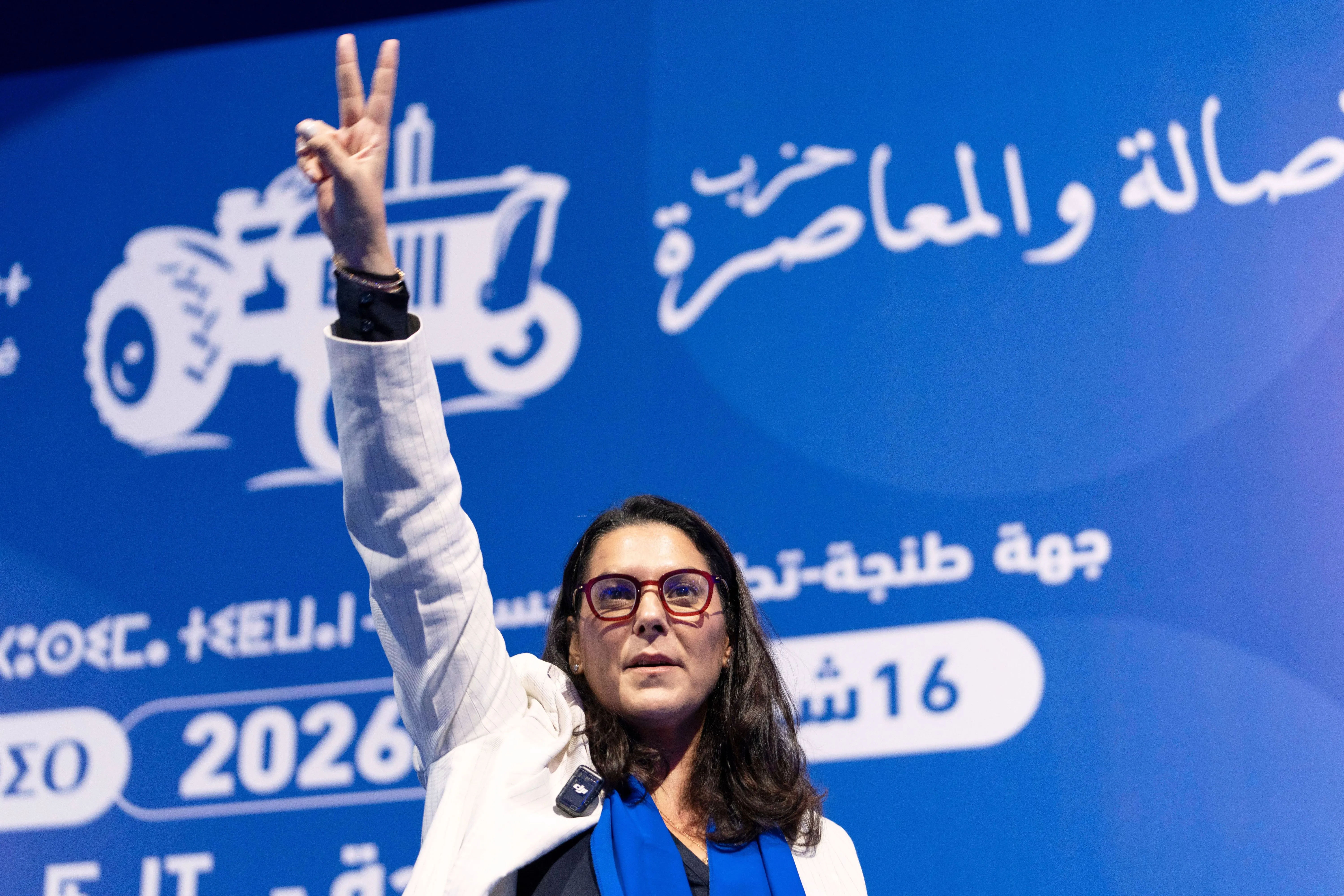

In a groundbreaking moment for Morocco's political landscape, the country has appointed its first-ever female Prime Minister, Fatima Ezzahra el-Mansouri. This historic decision was made by King Mohammed VI, who tasked el-Mansouri with forming a new cabinet, as reported by the Moroccan news agency MAP. This marks a significant milestone in the nation's governance, reflecting a gradual shift towards gender inclusivity in leadership roles.
El-Mansouri, a member of the monarchist Party of Authenticity and Modernity (PAM), led her party to victory in the recent parliamentary elections, securing 97 out of 395 seats. According to Morocco's constitution, it is the responsibility of the king to appoint the head of government from the party that gains the most seats in the parliamentary elections. Despite PAM's success, it still falls short of an absolute majority, which requires 198 seats, indicating that el-Mansouri will need to negotiate coalition agreements with other political factions to ensure effective governance.
Following her appointment, the 50-year-old expressed her honor in being entrusted with the formation of the next government and emphasized the importance of engaging in discussions with other political entities to build a stable administration. El-Mansouri is a trained lawyer who previously served as the mayor of Marrakech and has held the position of Minister of Urban Policy since 2021. In 2024, she became part of PAM's three-member collective leadership, further solidifying her role in Moroccan politics.
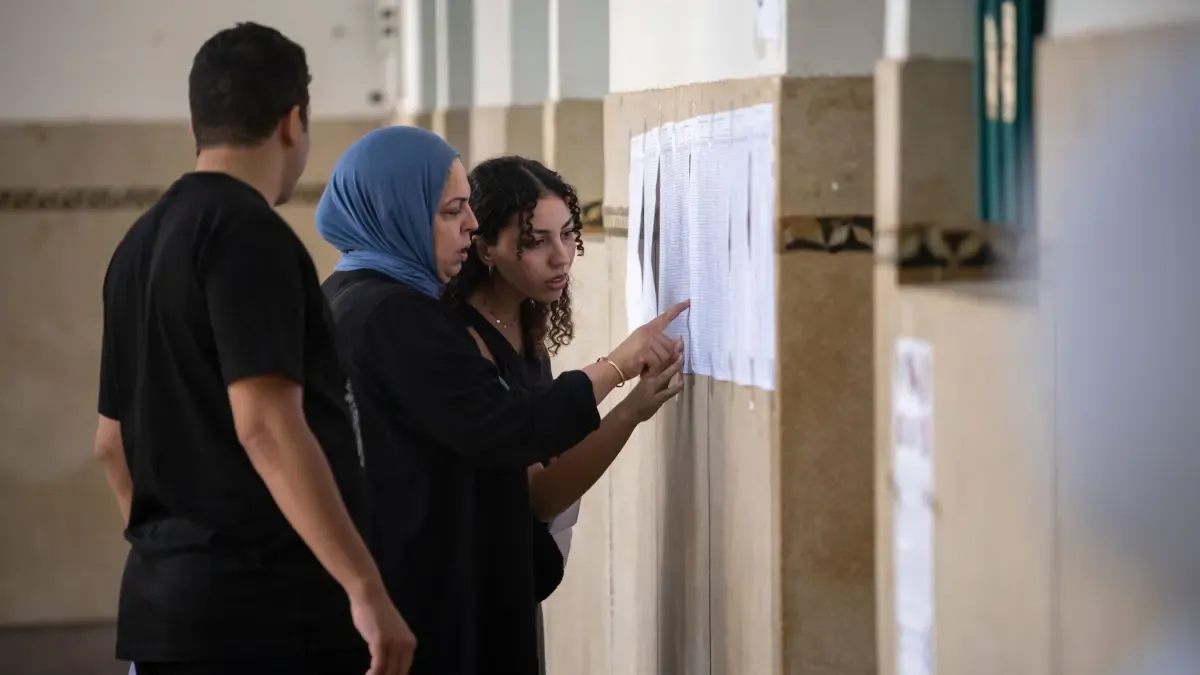
Morocco operates as a monarchy with democratic elements, where parliamentary and governmental positions are elected. However, King Mohammed VI retains significant power, which raises questions about the balance of authority in the new government. The newly appointed administration faces a multitude of economic and social challenges, including the necessity to manage substantial investments linked to the upcoming 2030 FIFA World Cup, which Morocco will co-host alongside Spain and Portugal. With a voter turnout of only 38.02% in the recent elections, the new government will need to work diligently to address public concerns and foster greater political engagement among citizens.
As reported by stuttgarter-nachrichten.de.