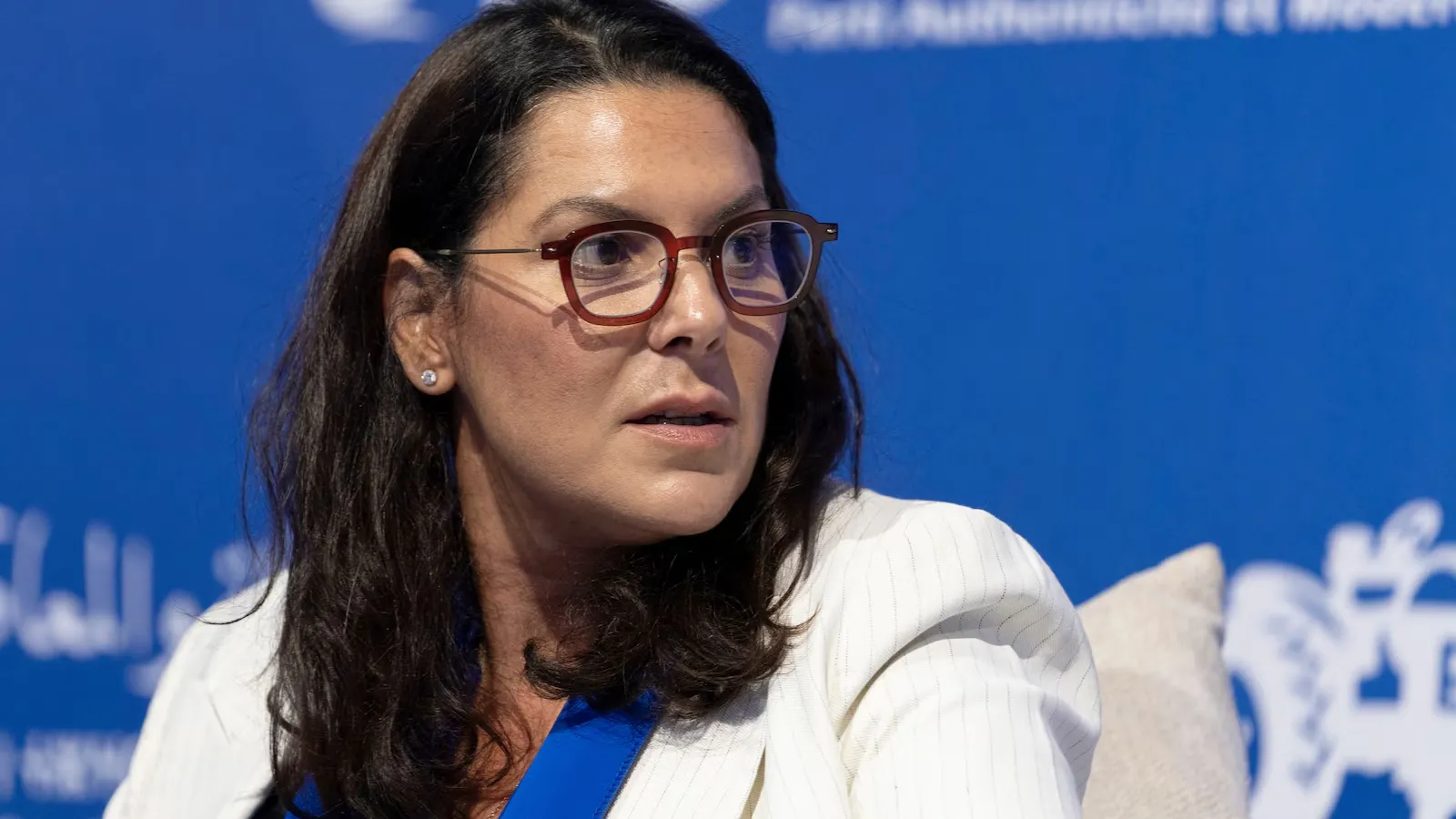

In a groundbreaking move for gender representation in the Arab world, King Mohammed VI of Morocco has appointed Urban Planning Minister Fatima Zahra Mansouri as the country's new prime minister. At the age of 50, Mansouri makes history by becoming the first woman to assume this prominent position in the Muslim kingdom, a significant milestone in Morocco's political landscape.
Mansouri, who previously served as the mayor of Marrakech, has been entrusted with the responsibility of forming a new government, according to a statement from the Royal Palace. This announcement comes just four days after the results of the parliamentary elections revealed Mansouri’s centrist Authenticity and Modernity Party (PAM) as the leading vote recipient, marking a notable achievement in Moroccan politics.
Following in the footsteps of Najla Bouden of Tunisia, Mansouri represents the second female prime minister in the Arab world and is poised to build a coalition government in the coming days. The electoral system in Morocco presents challenges for any single party aiming for an absolute majority, necessitating coalition-building to ensure effective governance.
One of the critical initiatives expected from Mansouri's government is a substantial investment plan related to the 2030 FIFA World Cup, alongside commitments to combat inflation, increase wages, and generate employment opportunities for the Moroccan populace. The constitutional framework allows the king, as the highest authority, to appoint the prime minister, although this choice must come from the party that secures the most seats in parliamentary elections—a reform achieved following the Arab Spring protests in 2011.
Mansouri's political journey began with the establishment of PAM in 2008, founded by her close associate and childhood friend of the king, Fouad Ali El Himma. With a law degree from the University of Montpellier in France, she rapidly ascended within the party, eventually becoming one of its key figures. Her previous roles include two terms as mayor of Marrakech and service as a member of parliament, showcasing her extensive political experience.
Interestingly, Mansouri is the daughter of Abderrahmane El Mansouri, known as the “pasha of Marrakech,” who held various prominent positions, including that of Morocco’s ambassador to the United Arab Emirates. Despite her achievements, Mansouri has faced controversies, including accusations of conflict of interest regarding land transactions in Marrakech, which she has vehemently denied and described as defamatory, pursuing legal action against the claims.
The recent election saw about one million out of 15.8 million registered voters casting their ballots for the Authenticity and Modernity Party, marking the party's first electoral victory since its inception. This election was particularly significant as it followed the Ceuta migration crisis and youth-led protests from the previous year.
As the focus shifts to coalition negotiations, PAM has expressed its readiness to collaborate with other parties. However, some parties, including the moderate Islamist Justice and Development Party and the left-wing Federation of Democratic Left, have indicated their intention to remain in opposition, potentially complicating Mansouri's coalition-building efforts.
As reported by abcnews.com.