
Fatima Zahra Mansouri Takes the Helm as Morocco's First Female Prime Minister
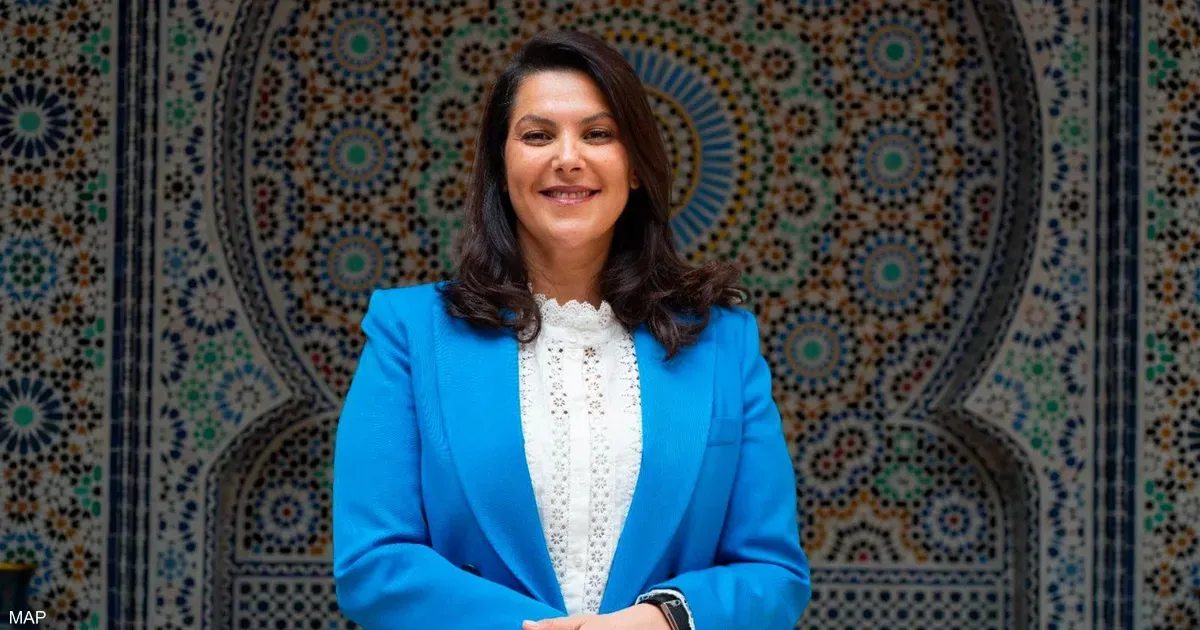
The recent appointment of King Mohammed VI of Morocco, Fatima Zahra Mansouri, the Coordinator of the Collective Leadership of the Authenticity and Modernity Party, as Prime Minister has garnered widespread acclaim. Known as "Bint al-Basha," Mansouri has made history by becoming the first woman to hold the position of Prime Minister in Morocco's history.
Mansouri has swiftly initiated consultations with various political parties to discuss the formation of the new government, generating anticipation regarding its composition and agenda.
Attention is now focused on the upcoming government and its members, as well as the priorities of its program, especially amid rising expectations from Moroccans regarding key issues such as job creation, purchasing power, healthcare, and education. Additionally, preparations for hosting the 2030 FIFA World Cup are also on the agenda.
Experts who spoke to Sky News Arabia believe that Mansouri's appointment represents a significant milestone in the representation of Moroccan women in decision-making roles. However, the importance of this step extends beyond the symbolic aspect of a woman leading the government; it also encompasses her ability to wield power and influence decision-making processes.
Challenges Ahead for the New Government
On the other hand, the upcoming government will face numerous political, social, and economic challenges. Chief among these will be the formation of a cohesive majority and meeting the expectations of the Moroccan populace while continuing major projects and preparing for the World Cup.
Mariam Belil, a political analyst, stated that the trajectory of Moroccan women in politics reflects a cumulative process that has evolved from breaking barriers to entering institutions to holding positions of responsibility and decision-making. She highlighted significant milestones in the political landscape for women in Morocco, including the election of the first two women to the House of Representatives in 1993, marking an end to decades of female absence in the legislative institution.
Belil noted that the representation of women at the local level was more limited in its early stages, with only 77 women elected to local councils in the 1992 elections. However, this representation has gradually evolved, culminating in significant advances due to incentives aimed at increasing women's representation.
Moreover, as Mansouri begins her consultations on forming the government, she and her party leaders have already met with other political parties, including the National Rally of Independents and the Istiqlal Party, who were part of the previous coalition led by Aziz Akhannouch. Political analysts suggest that it is plausible for a significant portion of the previous coalition to remain intact, as the political foundations that brought them together in 2021 still hold true.
As the new government prepares to take shape, the expectations of the Moroccan people will be pivotal. The government is expected to address pressing social issues, particularly in employment, purchasing power, health, and education, while also managing the water crisis and ensuring financial stability.
As reported by skynewsarabia.com.