
Morocco Appoints Its First Female Prime Minister
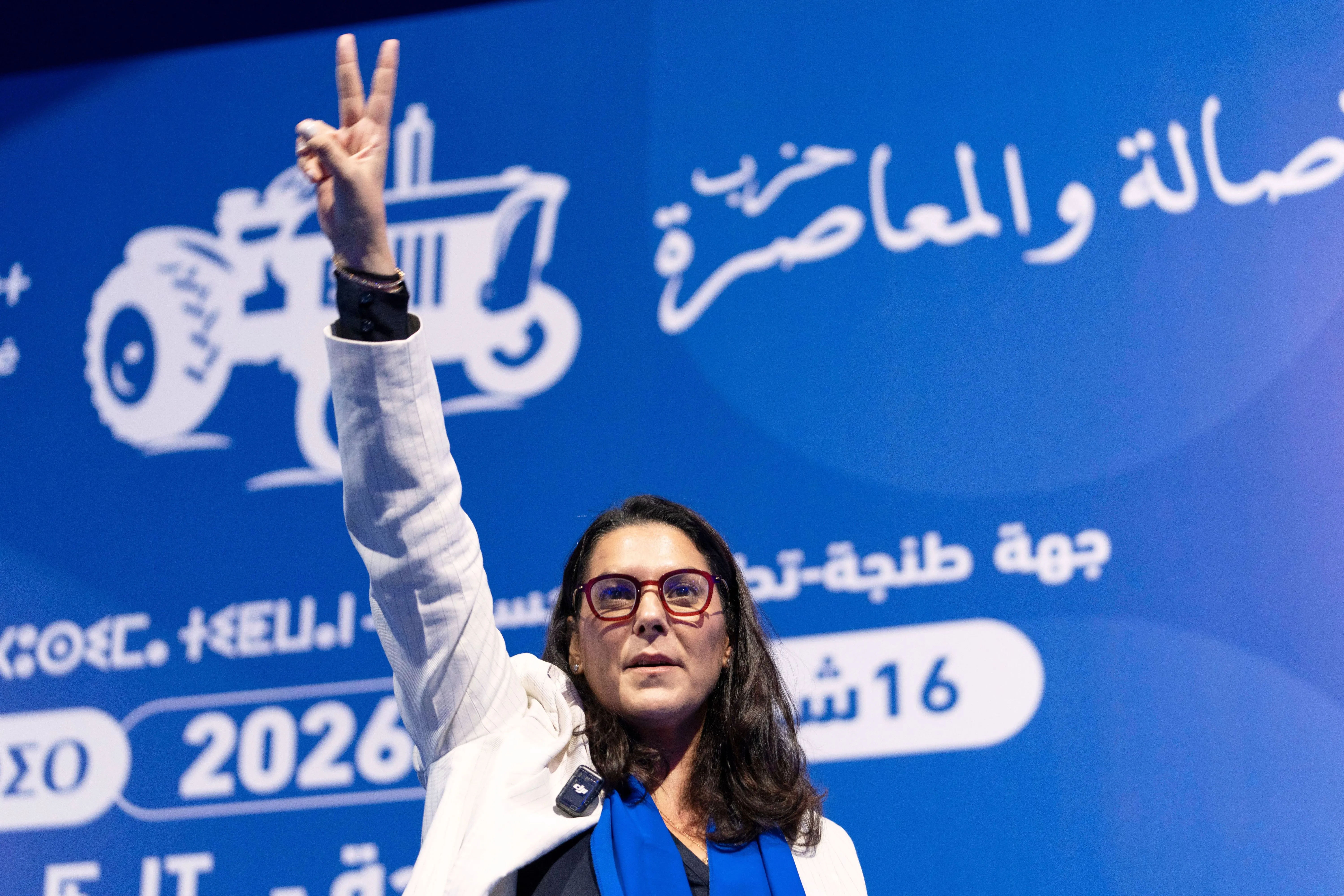
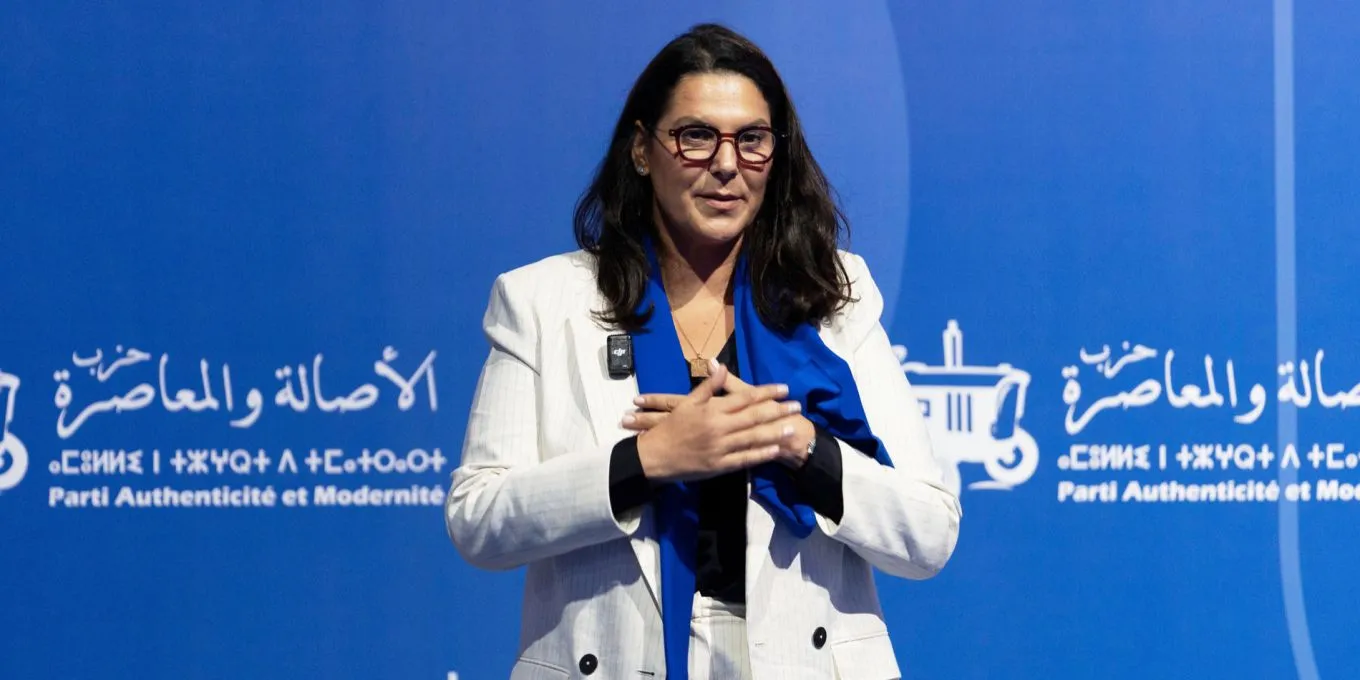
In a groundbreaking moment for Morocco, the nation has appointed its first-ever female prime minister. King Mohammed VI has officially named Fatima Ezzahra el-Mansouri as the new head of government, tasking her with the crucial responsibility of forming a new cabinet, as reported by the Moroccan news agency MAP. This landmark appointment marks a significant shift in the political landscape of Morocco, where traditionally, leadership roles have been predominantly held by men.
Political Context and Challenges Ahead
El-Mansouri represents the Authenticity and Modernity Party (PAM), which emerged as the leading party during the recent parliamentary elections held just a week ago, securing 97 out of 395 seats. According to the Moroccan constitution, the king appoints the prime minister from the party that holds the majority of seats, thus reinforcing the significance of el-Mansouri's election. Following her appointment, the 50-year-old expressed her honor in being entrusted with the formation of the new government and indicated that discussions with other political factions would commence shortly.
With a solid educational background in law, el-Mansouri has previously served as the mayor of Marrakech and has been the Minister of Urban Policy since 2021. In 2024, she joined the trio of leaders at the helm of PAM, reflecting her rising prominence in Moroccan politics. Despite the democratic elements embedded in Morocco's political system, where parliamentary and governmental bodies are elected, the majority of power remains concentrated in the hands of King Mohammed VI.
Notably, the PAM's 97 seats fall short of the 198 required for an absolute majority, necessitating el-Mansouri to negotiate coalition agreements to effectively govern. The official voter turnout for the elections stood at a modest 38.02 percent, highlighting potential challenges in public engagement and political representation.
As el-Mansouri prepares to lead her government, she faces a myriad of economic and social challenges, including the need to manage significant investments related to the upcoming 2030 FIFA World Cup, which Morocco will co-host alongside Spain and Portugal. This pivotal event presents both opportunities and challenges, further complicating the landscape for the newly appointed prime minister.
As reported by nau.ch.