
Historic Leadership in Morocco: Women at the Helm of Change
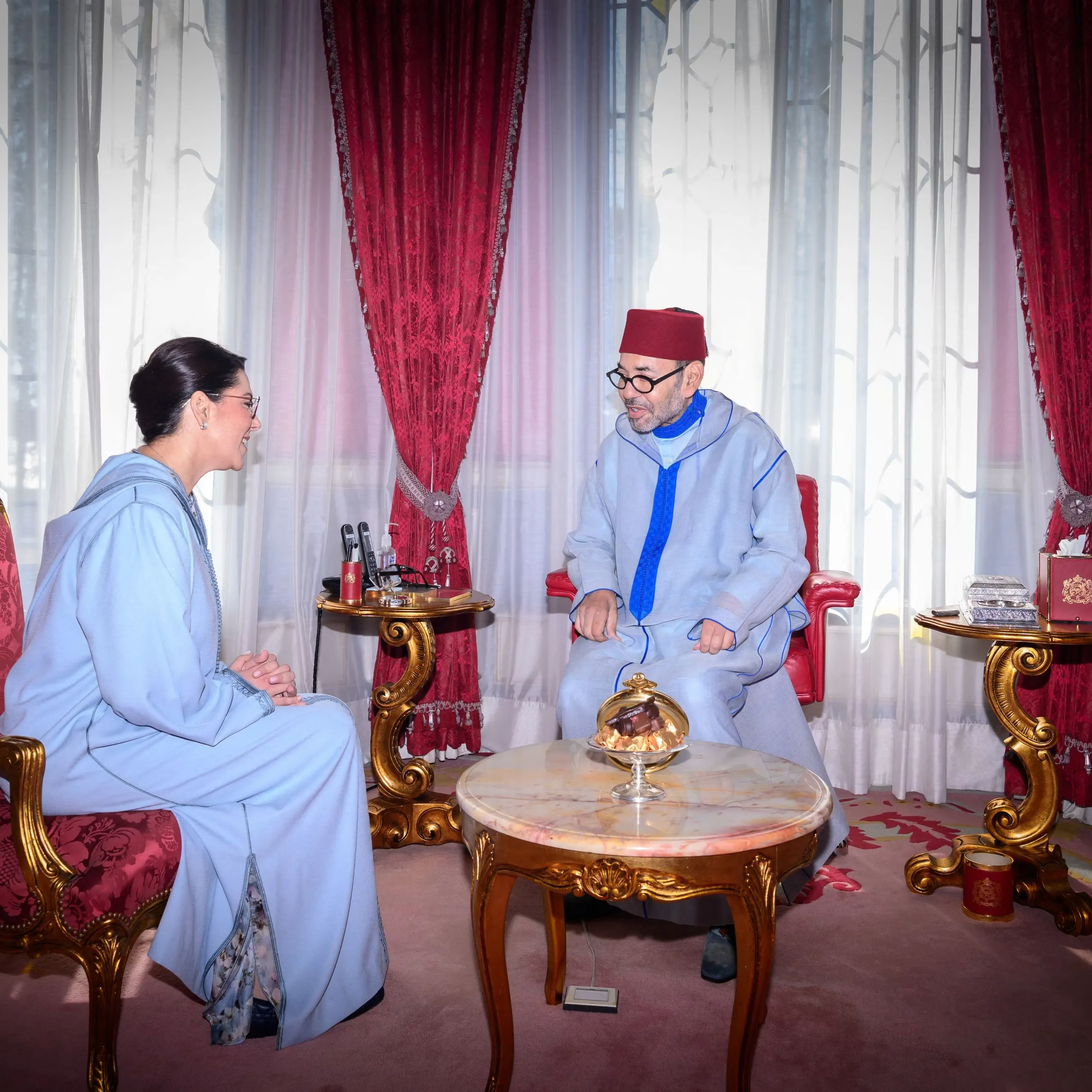
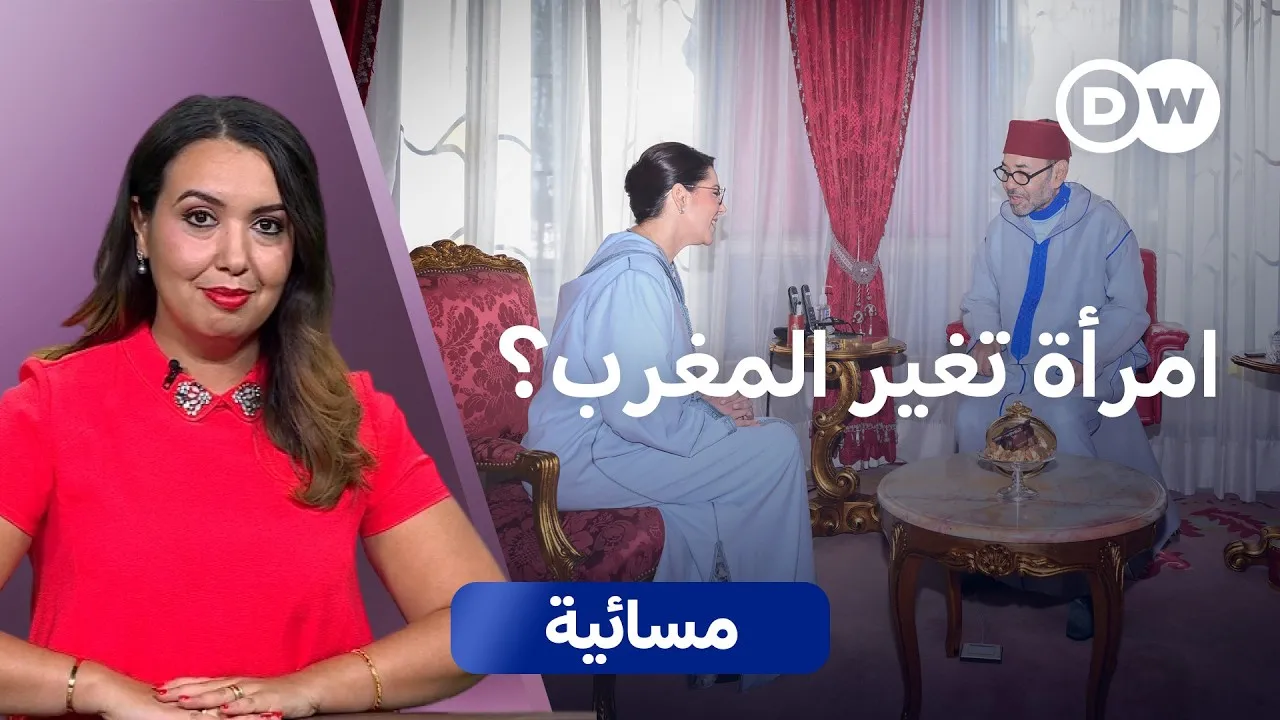
In a groundbreaking development for Moroccan politics, Fatima Zahra Mansouri has made history by becoming the first female Prime Minister of Morocco. This pivotal moment comes at a time of significant political sensitivity within the nation. Mansouri's appointment has sparked a wide array of discussions surrounding the implications of her leadership, particularly regarding whether this change is merely cosmetic or indicative of a deeper shift in policy direction. The interview, hosted by Reem Najmi, explores these themes with insights from various guests, including Rima Leblayli, a member of the executive office of the Women’s Organization within the Authenticity and Modernity Party.
The implications of having a woman in such a high-ranking position extend beyond gender representation; they raise critical questions about the effectiveness and capacity of leadership in addressing the pressing challenges facing Morocco today. As Mansouri steps into her role, observers are keenly interested in how her policies will evolve and what direction she will take in steering the government. This new era of leadership may signify a transformative phase that could redefine not just the political landscape but also the societal norms surrounding women's roles in governance.
The discussion surrounding Mansouri's leadership is multifaceted, delving into the societal expectations and potential hurdles she may face as the country navigates complex political waters. As Morocco stands at this crossroads, the focus remains on whether the presence of a female Prime Minister will lead to substantive changes in policy or if it will simply represent a new figurehead without real power to effect change. This pivotal moment in Moroccan history serves as a crucial point of reflection on gender roles in politics and the ongoing evolution of leadership in the Arab world.
As reported by youtube.com.