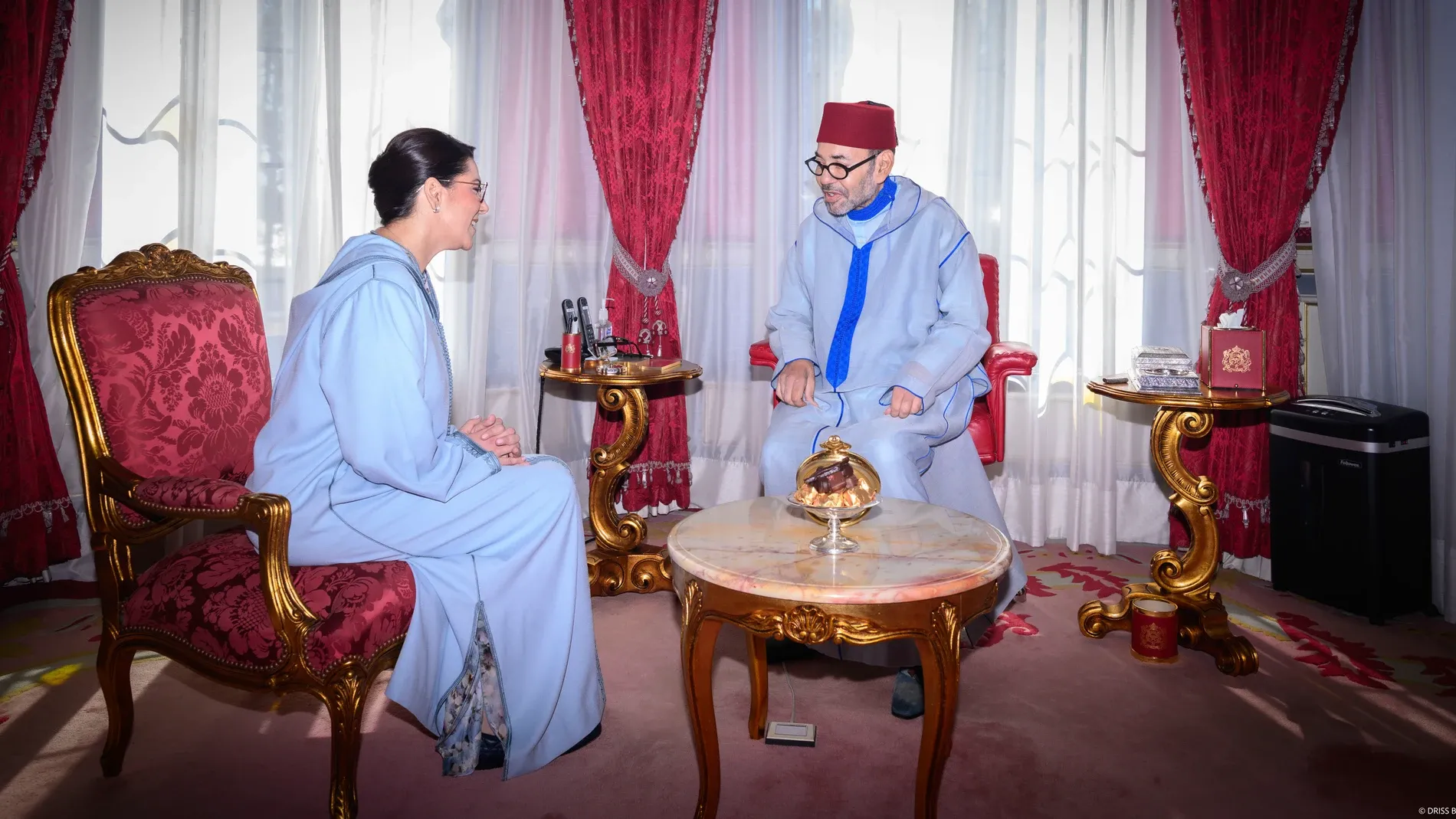
Morocco's Historic Leadership Transition
In an unprecedented move for Morocco, the nation has appointed its first female prime minister, Fatima Zahra Mansouri, a prominent lawyer and former minister who leads the Authenticity and Modernity Party. This historic appointment by King Mohammed VI marks a significant milestone not only for gender representation in the country’s political landscape but also raises essential questions about the future of governance and women's rights in Morocco. As Mansouri steps into this high office, the expectations are immense, and the responsibilities that lie ahead are critical for the future of the nation.
Challenges Ahead for the New Prime Minister
Fatima Zahra Mansouri's ascension to the role of prime minister represents a breakthrough in a society that has long been dominated by male leadership. This pivotal change is more than just a symbolic victory; it poses profound implications for legislative reform and the promotion of gender equality. The new prime minister is expected to tackle pressing issues ranging from economic development to social reforms, with a particular focus on advancing women's rights and ensuring that the principles of equality are woven into the fabric of Moroccan law and practice.
Mansouri's leadership will be scrutinized as she navigates the complexities of coalition government, potentially balancing various political agendas while striving to implement her vision for a more inclusive society. The challenges she faces are substantial, encompassing the need to address economic disparities and improve access to education and healthcare for women across the country. Moreover, there is a growing expectation from the feminist movement in Morocco, which seeks to translate its advocacy for equality into concrete legal protections and societal shifts.
The Moroccan public eagerly watches as Mansouri embarks on this journey, hoping that her leadership will not only inspire a new generation of female leaders but also reshape the political discourse around gender in Morocco. Her success could pave the way for future advancements in women's roles within governance and elevate the nation's commitment to equality and justice.
As reported by mc-doualiya.com.