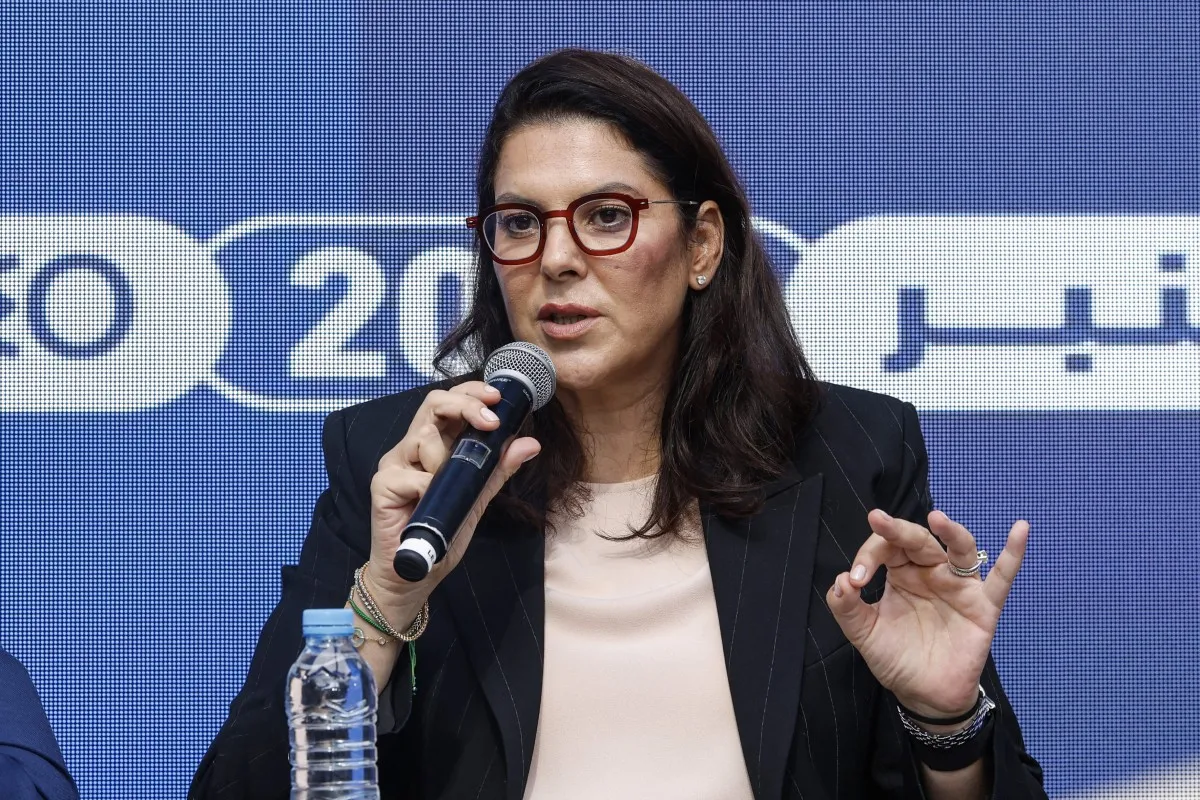

Significance of a Pioneering Leadership
Analysts observe that the appointment of a woman as the Prime Minister of Morocco for the first time marks a highly significant advancement in the political and institutional landscape of the country. The recent assignment of Fatima Zahra Mansouri to form the new Moroccan government, following her party’s (the Authenticity and Modernity Party) success in the parliamentary elections, is an exceptional event, as she stands as the first woman to hold the highest executive position in Morocco. This historic appointment has sparked widespread discussion regarding the implications of this choice and the new government's ability to meet the aspirations of Moroccan society, particularly those of women, in the coming period.
Born in 1976 in Marrakech, Mansouri obtained her degree in Anglo-Saxon law from Pace University in the United States, along with a postgraduate diploma in business contract law from the University of Montpellier in France, and a bachelor's degree in private law from Mohammed V University in Rabat. She began her political journey by joining the (Movement for All Democrats) in 2007, and subsequently contributed to the founding of the Authenticity and Modernity Party in 2008. From 2009 to 2015, she served as the president of the Marrakech municipal council, becoming the first woman to hold this position in the city. She was elected as a member of parliament in 2011 and re-elected in 2016, and has held the position of Minister of National Planning, Urbanism, Housing, and City Policy since 2021.
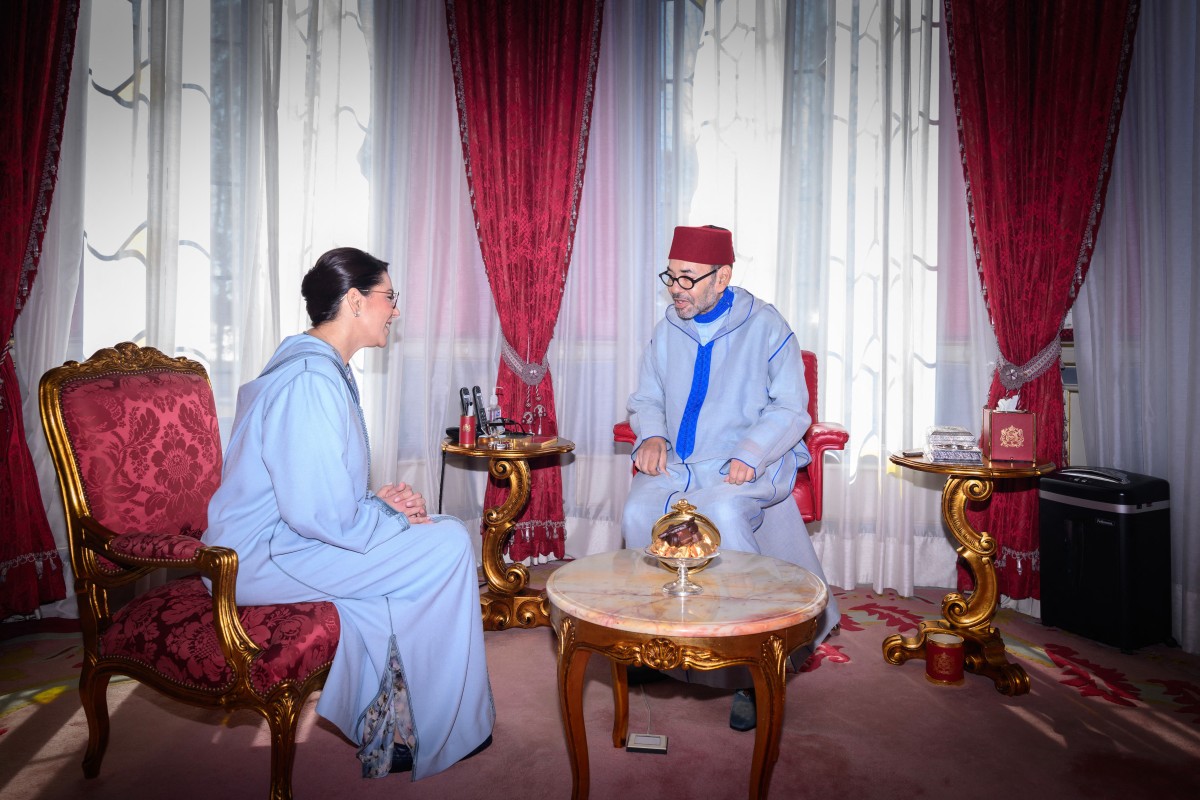
Following her appointment, Mansouri stated, "We will certainly work with everyone as a community, but at the same time, as a woman, I understand the conditions that Moroccan women are facing, and I also know that the King’s directives were clear in this regard, to build a cohesive society with all its living forces." She emphasized the awareness of the new government's responsibility, particularly towards young citizens, and highlighted the necessity of establishing a program that proposes realistic solutions for the citizens.
Political and Institutional Implications
Political analysts argue that the fact that a woman is now leading the Moroccan government signifies a critical evolution in the participation of women in the public sphere. The first female engagement in the Moroccan parliament occurred during the legislative elections of 1993, where only two women were elected. It wasn't until 2007 that complete ministerial portfolios were granted to women when five women joined Abbas El Fassi's government.
Mohamed Shehabi, a political science researcher, points out that Mansouri's appointment is part of a long-term process regarding women's participation in public life in Morocco. Over recent decades, the country has witnessed a gradual increase in women’s presence in various institutional spaces, including government, parliament, judiciary, diplomacy, and local governance bodies. He emphasizes that the arrival of a woman to the position of Prime Minister signifies a transition from mere presence to leadership, acknowledging women's capability to lead governmental work, negotiate coalitions, prioritize public interests, and bear political responsibility for managing the executive authority.
This event holds significant institutional importance, as it breaks a symbolic barrier that has historically separated women's participation in public life from reaching the highest governmental position in the country. The Moroccan political system is characterized by a constitutional monarchy, wherein the king retains extensive powers over foreign policy, defense, and other critical issues.
Political analyst Fathallah Ramadani argues that Mansouri's appointment transcends being merely a constitutional requirement or a mere female precedent; it should be viewed as a political and institutional milestone that directly relates to the evolution of Morocco's institutional state. He considers that the emergence of a woman in the highest executive position represents a notable shift in how power is perceived and exercised within the Moroccan state. This development is seen as a new turning point in reconciling both traditional and modern state elements in Morocco, serving as an entryway to promote modernity within the state, while acknowledging the historical continuity of traditional elements.
As Mansouri embarks on this historic journey, she faces numerous challenges, particularly following a series of events that have sparked calls for significant changes in managing various issues. Among these was the emergence of protests by the (Generation Z 212) movement in September 2025, demanding social and economic reforms. The new prime minister must navigate these challenges while responding to public expectations for substantial improvements.
As reported by independentarabia.com.