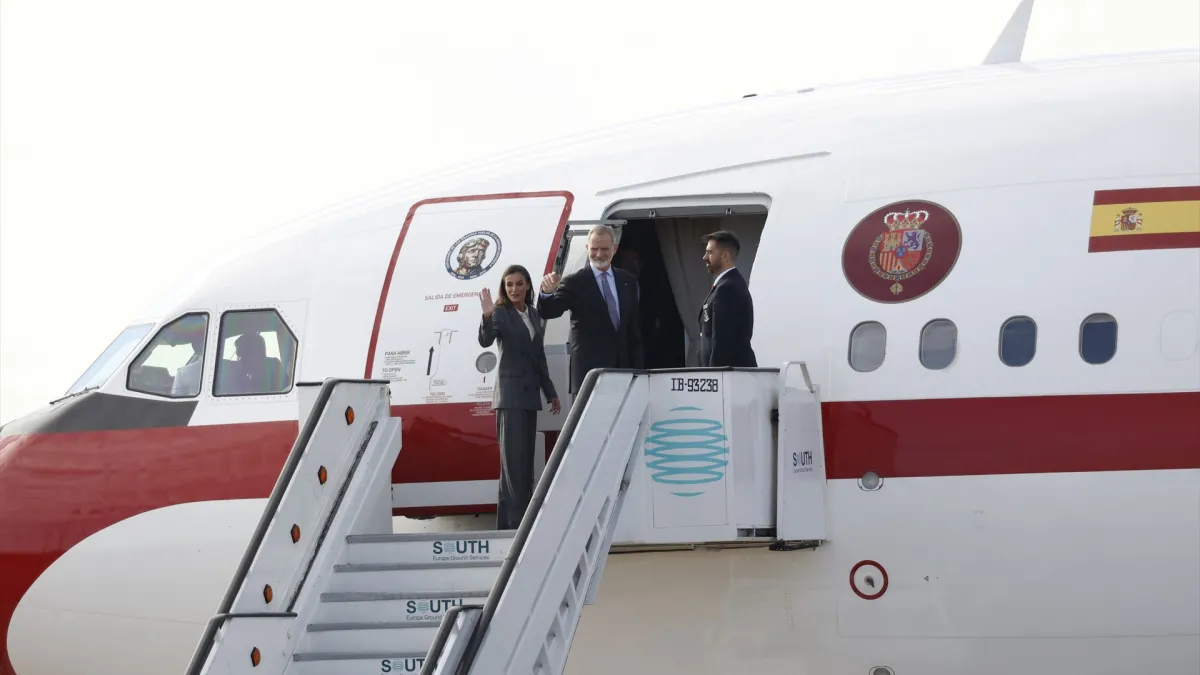

On Tuesday, October 13, one day after presiding over the national festivities, King Felipe VI and Queen Letizia will arrive in Ceuta, followed by a visit to Melilla the next day. This journey to these autonomous cities is significant due to its rarity; the last similar visit occurred in 2007, featuring Juan Carlos I and Queen Sofía. This royal engagement is expected to test Spain's diplomatic relations with Morocco, particularly as it occurs within a context of an electoral pre-campaign and sensitive bilateral issues.
The Spanish government, led by Pedro Sánchez, has indicated for some time that this visit would take place following the migrant crisis in Ceuta caused by a massive influx of individuals at the end of July. On October 1, both Zarzuela and Moncloa officially confirmed the royal visit, which was agreed upon by both cabinets. Notably, the president will not accompany the royals; instead, Ministers Ángel Víctor Torres and Elma Saiz will represent the government in Ceuta and Melilla, respectively. During the visit, the Head of State is expected to deliver at least a few public remarks alongside other institutional meetings.
The origin of this visit can be traced back to August 6, when Felipe VI invited the Ceuta president, Juan Jesús Vivas, to the Marivent Palace. After the meeting, Vivas stated to the media, "The king is committed to visiting Ceuta, and he will do so because the king fulfills his commitments." Previously, in an unusual message from the Royal House, the monarch expressed his "indignation" regarding the events in Ceuta.
Felipe VI's movements prompted the government to confirm the visit in an effort to avoid public conflict with the Royal House, as royal engagements require government endorsement. Moncloa began internal preparations and delayed a decision that was not initially a priority, focusing instead on addressing the migrant and humanitarian crisis. However, there were indications that the visit would be positively received.
Nationalist Claims and Historical Context
The nationalist claims made by Morocco regarding Ceuta and Melilla are longstanding and have not ceased to exist, even after the "new phase" established in 2022 between Sánchez and King Mohammed VI concerning Western Sahara. The joint declaration made no explicit reference to this issue, and during the summer, amid the crisis in Ceuta, several Moroccan ministers reiterated their right to discuss the status of these cities, which many in Moroccan society describe as "occupied." Some analysts have even linked this demand to the mass entry of thousands of individuals into Ceuta on July 30 and 31; however, there is no evidence to support this, and the Spanish government has consistently absolved Morocco of responsibility, despite Sánchez calling for improved border controls due to existing shortcomings.
Sources from Moncloa reaffirm that there was no issue at the time, noting that the government clarified this publicly. They emphasize that it has been years since the royals visited these cities due to the awareness that they are claimed by Morocco. However, they assert that now is the moment to unequivocally affirm the Spanish identity of Ceuta and Melilla. An institutional visit would help eliminate any doubts regarding their status.
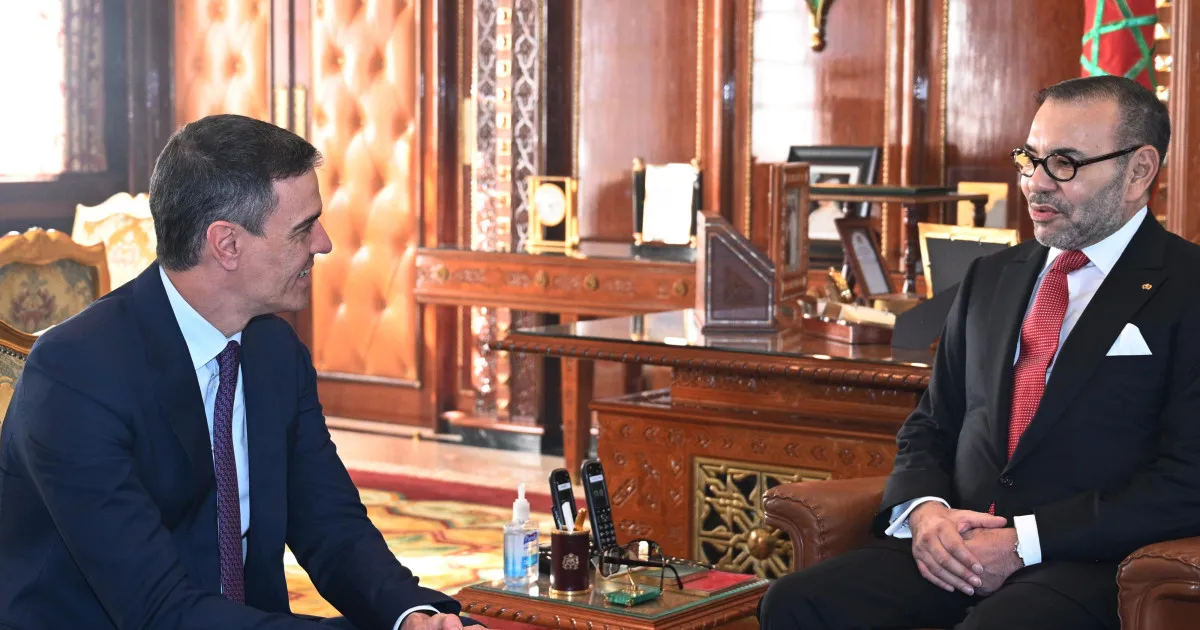
In Sánchez's circle, there is an understanding that Morocco will likely express disagreement, and critical statements are not ruled out. Nevertheless, they believe it is necessary to proceed with the visit, as the summer's events were exceptional. Moncloa emphasizes that bilateral relations with Morocco are currently very positive and does not foresee any severe diplomatic fallout. Other socialist voices familiar with the relationship suggest that this visit is only possible due to the mutual trust between the governments, a situation that has historically only happened with the PSOE in power.
Expert Insights on Diplomatic Risks
Público reached out to various experts in Spain-Morocco relations for their insights on the potential outcomes of this visit. Irene Fernández Molina, a professor at the University of Exeter and a member of the Academic Council of the Center for Contemporary Arab Studies, suggests that the situation might mirror that of 2007, the closest precedent. At that time, Morocco issued a protest statement and recalled its ambassador in a symbolic gesture, which did not escalate into a full-blown bilateral crisis.
The previous royal visit resulted in official Moroccan protests just days prior, and while there has been no formal response from Morocco regarding this upcoming visit, King Mohammed VI recently delivered a speech that did not mention the Royal House but asserted that relations with Spain are a "sovereign choice" that should not be subject to "threats" or "blackmail."
Experts believe there may be some rhetorical backlash but anticipate that it will not evolve into significant material threats, such as migration-related pressures. Vicente Palacio, director of Foreign Policy at the Alternativas Foundation, notes that while there could be protests or critical responses from various Moroccan leaders, it is unlikely to lead to severe consequences. Fernández Molina predicts an energetic protest statement from Morocco, characterizing the visit as "inconvenient" and reminiscent of past tensions.
She further suggests that there may be an implicit understanding that Morocco will react to a visit of this nature due to its historical claims, highlighting the political legitimacy aspect within Morocco. The Spanish government is seen as having to acknowledge the visit internally, given the context of the recent events in Ceuta, which require both governments to assert their positions on sovereignty matters.
In conclusion, while experts view the visit as likely to provoke some diplomatic responses from Morocco, they also agree that the consequences will primarily be rhetorical rather than leading to any substantive diplomatic fallout. The historic context of Ceuta and Melilla is a significant factor in this visit, as it coincides with national sentiments on both sides of the border.
As reported by publico.es.