Historic Surge in Oil Prices Amid Middle Eastern Warfare
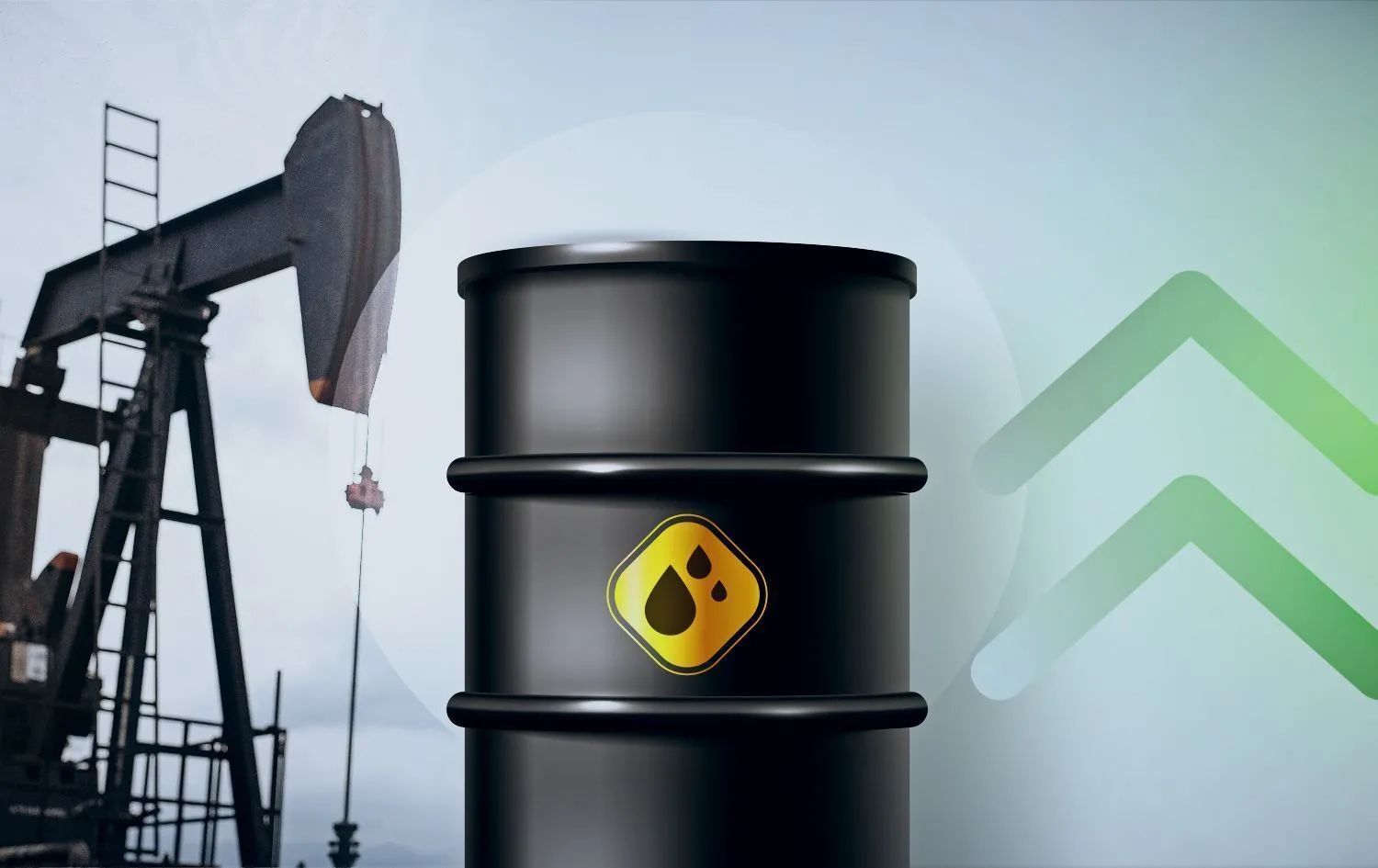
On March 9, 2026, the ongoing conflict with Iran has led to a dramatic spike in oil prices, exceeding $100 per barrel. This escalation follows a series of missile strikes launched by Tehran, now under the leadership of Mojtaba Khamenei, targeting both Israel and its neighboring Gulf states. These aggressive actions mark the first day of Khamenei's leadership, succeeding his father, Ali Khamenei, who was assassinated at the war's onset on February 28.
Iran's assault has not been limited to regional adversaries; it has also included drone strikes on American military bases in Saudi Arabia, Bahrain, Qatar, and the UAE, as well as occupied territories. In an alarming development, a second missile was aimed at Turkey within the first five days of conflict; however, it was intercepted by NATO's defense systems. This prompted Turkish President Recep Tayyip Erdoğan to issue stern warnings to Iran regarding its provocative actions and repeated mistakes.
Amidst this turmoil, the Strait of Hormuz, a vital corridor for maritime oil transport, remains largely shut off, leading to a 10% increase in crude oil futures, marking the highest level since the Russian invasion of Ukraine in 2022. European Commissioner for Economic Affairs, Valdis Dombrovskis, cautioned that prolonged warfare could trigger a "stagflation shock," characterized by rising inflation and a downturn in global economic growth.
During a virtual meeting of the G7 finance ministers, French Finance Minister Bruno Le Maire indicated that the group is prepared to deploy all available tools to stabilize the market, including the potential release of strategic oil reserves. However, he noted that a decision to do so has not yet been made. Global stock markets are witnessing significant declines, adversely impacting pension funds and savings, while inflation caused by soaring oil prices threatens to increase the cost of goods universally.
Long queues have formed at gas stations in various locations, including Vietnam and France, as people brace for further price hikes, raising concerns about potential fuel shortages. U.S. Secretary of State Marco Rubio has condemned Iran, stating, "We are all witnessing the threat this religious regime poses to the region and the world; they are attempting to take the world hostage." This volatile situation has sparked a range of reactions, further complicating the geopolitical landscape.
As reported by thevoice.ma.