

Transformative Impact of Low-Cost Airlines on Moroccan Tourism
In just a decade, low-cost airlines have significantly reshaped the landscape of air transportation in Morocco, creating a profound impact on the accessibility of the nation. This dramatic shift in pricing and logistics has not only stimulated the growth of new regional destinations but has also propelled the tourism sector to unprecedented heights. As highlighted by Finances News Hebdo, these budget carriers have now been integrated as strategic pillars in the 2023-2026 tourism roadmap, becoming essential engines to support the Kingdom's ambitious economic goals for 2030.
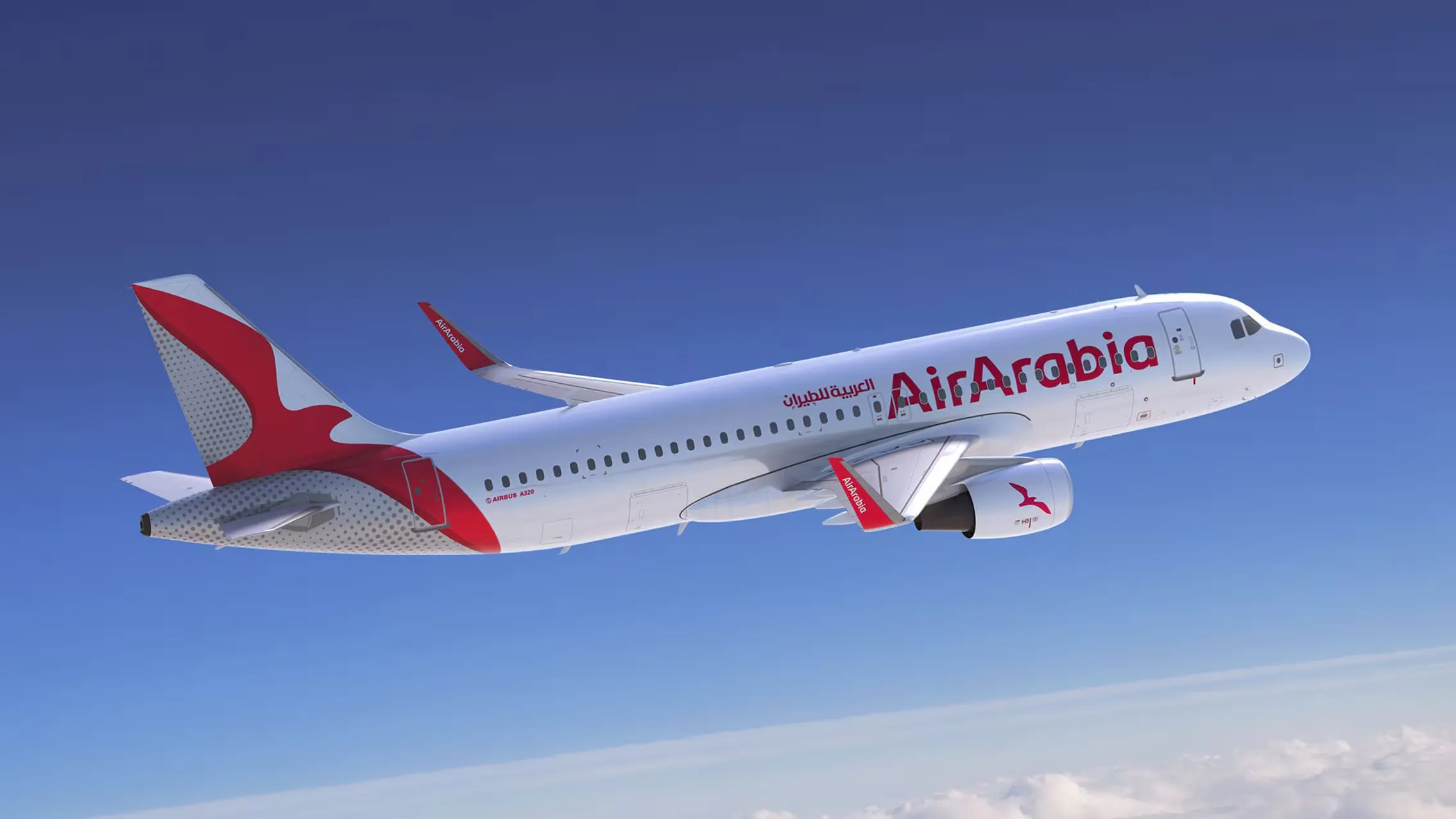
Morocco has emerged as one of the most vibrant and competitive markets in the Mediterranean for low-cost aviation. Major European players such as Ryanair, Transavia, easyJet, Volotea, and Wizz Air, alongside the local operator Air Arabia Morocco, have gradually shaped a new connectivity model. Between 2019 and 2025, air capacity to the Kingdom has seen a remarkable surge. Following the abrupt halt caused by the global health crisis, the market not only regained its former vibrancy but also expanded into a new dimension. Statistics from the Moroccan National Tourist Office reveal that by 2025, the total number of scheduled seats will exceed 12 million, marking a significant 12% increase year-on-year.
This explosive growth can be attributed to a surge in strategic partnerships between public authorities and international carriers, the establishment of new iconic routes, and the gradual establishment of operational bases within Moroccan airports. This bold strategy has enhanced visitor flow while diversifying the customer base. The majority of this expanded capacity is directly driven by low-cost airlines, which provide most of the additional seats deployed to the country.
Ryanair and Transavia Lead the Charge
According to economist Saïd Tahiri, quoted by Finances News, "the opening of Moroccan airspace serves as the central catalyst for this tourism expansion." The expert notes that the network of direct connections and the sustainable establishment of low-cost carriers has elevated Morocco's competitiveness as a travel destination to new heights. The impact is particularly striking in strategic markets such as the United Kingdom, Spain, Italy, and Germany, where these carriers now hold a dominant market share.
Ryanair, the ultimate symbol of this transformation, has taken the lead in the Moroccan market. Since the lifting of health restrictions, the European giant has consistently solidified its position in the Kingdom through repeated agreements with the Moroccan National Tourist Office. By increasing the number of direct flights connecting Moroccan cities with European metropolises, Ryanair has become the country's largest international carrier in terms of passenger numbers. After surpassing 9.1 million passengers in 2024, the airline aims for 10.7 million regular travelers by 2026. Moreover, it has made waves in the sector by entering the domestic air network in 2024, introducing fierce competition in a historically protected domestic segment.
In the French market, which remains the largest source of visitors to Morocco, Transavia has emerged as a major partner. The Air France-KLM subsidiary has continuously expanded its service offerings to cover the entire national territory. With a 30% increase in capacity for the winter season of 2025-2026, the opening of 14 new routes, and the addition of over 130,000 seats, the operator is working to de-seasonalize traffic and stimulate year-round regional tourism activity. This dynamic positions Morocco as the world’s leading destination in terms of available travel options, according to Finances News.
The low-cost phenomenon is not just about numbers; it is reshaping the geography and economy of national tourism. Historically reliant on the French market and centered around a quartet of traditional destinations (Marrakech, Agadir, Casablanca, and Tangier), Morocco's tourism model is now opening up to a diverse array of new visitor profiles from Central Europe, the Netherlands, and the British Isles. This expanded geographic distribution reduces the sector's vulnerability to cyclical fluctuations that can impact specific source countries.
Furthermore, the increase in direct connections is facilitating a significant territorial decongestion. Cities that were once isolated from major flow are now gaining direct international visibility: Essaouira is expanding its continental connections, Ouarzazate is promoting its cultural and cinematic attractions, Dakhla is solidifying its global reputation among nature and water sports enthusiasts, while Nador, Tetouan, and Oujda benefit from an unprecedented air network.
The results of this comprehensive strategy are directly reflected in the statistics of arrivals in the Kingdom. While the country welcomed approximately 13 million tourists in 2019, the dynamics accelerated dramatically post-pandemic. Morocco saw 14.5 million visitors in 2023, then 17.4 million in 2024, approaching the historic threshold of 20 million arrivals by 2025. To support this dizzying pace, national authorities have evolved their methods: the Moroccan National Tourist Office now acts as a true air route developer, continuously forging commercial agreements with private airlines.
Looking ahead, the joint organization of the 2030 World Cup alongside Spain and Portugal is on the horizon. To accommodate the anticipated influx of millions of supporters and travelers during this global event, the Kingdom has already embarked on a rapid modernization of its infrastructure. A vast expansion program is currently being implemented by the National Airports Office at key platforms across the country, from Casablanca to Marrakech, through Agadir, Tangier, Rabat, and Dakhla, ensuring a smooth absorption of future air traffic.
As reported by fr.le360.ma.
