
Huawei Unveils Innovative AI Solutions at GITEX Africa 2026
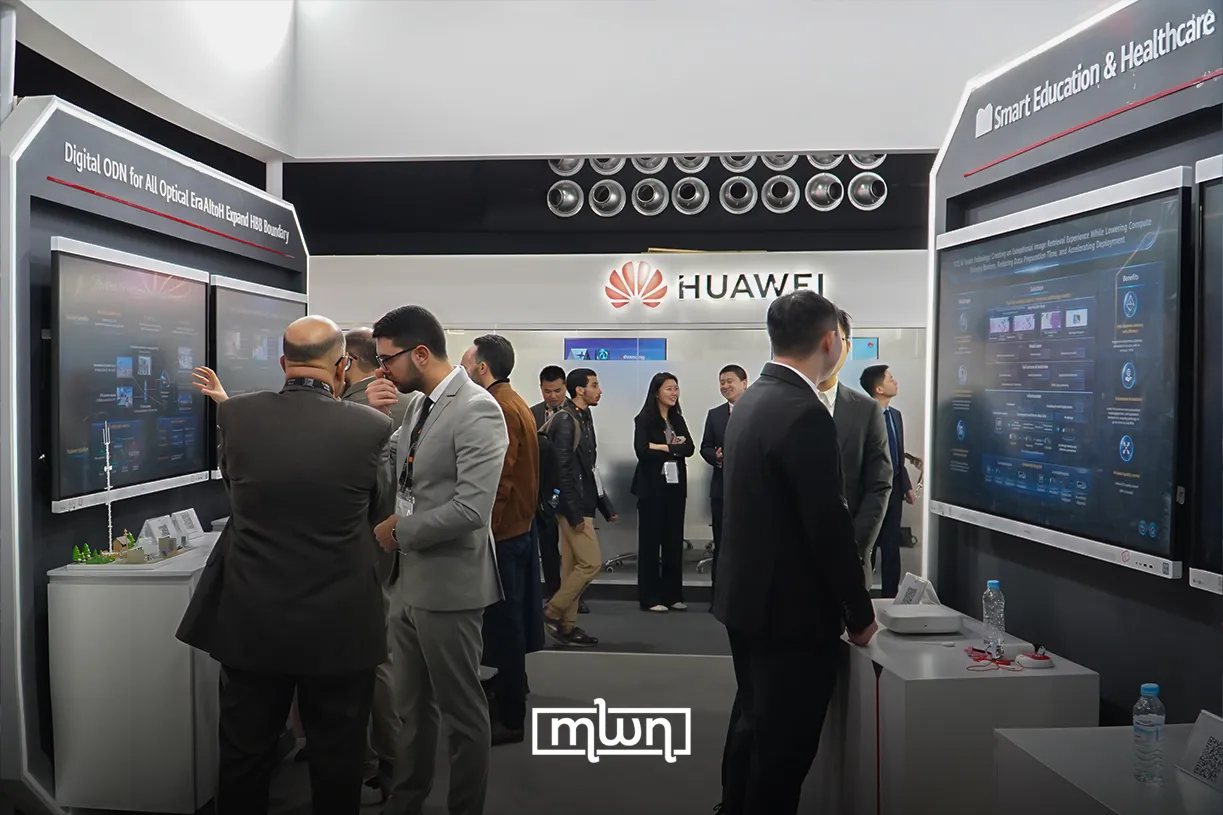
Marrakech served as the backdrop for Huawei Morocco's impressive fourth consecutive participation in GITEX Africa, an event that took place from April 7 to 9, attracting an impressive turnout of over 1,500 exhibitors and more than 55,000 visitors. This year's showcase was not merely a display of telecommunications technology; it represented a significant leap into a broader portfolio that emphasizes artificial intelligence (AI), cloud computing, and digital infrastructure solutions aimed at transforming key sectors across the African continent. At the heart of Huawei's presence was the concept of 'vertical AI,' which focuses on developing industry-specific artificial intelligence tailored to the unique operational needs of various sectors such as government, defense, banking, and public administration.
The theme for this year's event, "Advancing All Intelligence for New Africa," reflects Huawei's commitment to driving digital transformation across the continent. David Li, General Manager of Huawei Morocco, articulated the company's vision, stating that their participation at GITEX Africa 2026 serves to highlight how digital intelligence is becoming an essential catalyst for change. Li emphasized that Huawei's mission is to support governments, industries, and partners in crafting a future that is interconnected, resilient, and sustainable. Furthermore, Bouaamri Abdelali, Pan Gov Director at Huawei Morocco, revealed that the company's clientele has evolved beyond traditional telecom operators to include various entities such as government agencies, defense institutions, and public administration bodies, signifying a substantial expansion in their operational scope.
AI Solutions Tailored for Diverse Industries
Huawei's approach to artificial intelligence is marked by a commitment to delivering specialized solutions rather than generic, one-size-fits-all tools. Bouaamri emphasized the necessity for deeply specialized AI tailored to specific domains, highlighting key verticals such as healthcare, defense, and security. When addressing concerns about AI and its implications for employment, Bouaamri asserted that artificial intelligence is not intended to replace humans but rather to empower them. His statement encapsulates Huawei's broader philosophy that adopting AI is vital for any institution wishing to remain competitive in today's digital economy.
Adil Taleb, Datacom CTO at Huawei Morocco, elaborated on the company's exhibition, articulating a clear message: "This year, Huawei is present to promote advancing artificial intelligence for a new Africa." The exhibition showcased AI-driven solutions across various sectors, including finance, healthcare, and government, with demonstrations centered on enhancing digital experiences, cybersecurity, and computing infrastructure. Taleb underscored that these solutions are designed to meet the sophisticated demands of digital transformation, positioning Huawei as a technology partner for both African governments and enterprises.
At the core of Huawei's display was the vision of "One Network, One Cloud," which illustrates the company's ambition to build resilient digital infrastructure capable of unlocking new opportunities through intelligent technologies. The exhibition featured live demonstrations, including the Huawei Robot, an innovative embodiment of artificial intelligence showcasing real-time perception, autonomous decision-making, and adaptive learning capabilities — a testament to AI's potential to transcend digital environments and integrate into real-world applications.
On the infrastructure front, Huawei introduced advanced datacom solutions built on secure data center architectures, alongside all-scenario data storage solutions and ultra-fast, low-latency connectivity options. The company also presented innovative solutions across multiple sectors, including a digital banking framework in finance, intelligent mining solutions in energy, and digital education tools in the educational sector. Notably, Huawei's offerings extended to governmental solutions aimed at enhancing public security and e-government services.
Nabil Ouchagour, Business Environment Director at Huawei Morocco, remarked that this year's GITEX holds particular significance as it aligns with the post-5G era in Morocco. He emphasized the importance of integrating cloud and AI technologies to meet Morocco's evolving digital priorities. Ouchagour also underscored Huawei's commitment to renewable energy, aligning its solutions with Morocco's development trajectory while outlining an extensive network of institutional collaborations across various sectors.
As Huawei seeks to embed itself within Morocco's digital ecosystem, the company's diversified approach signifies its intent to compete across multiple domains. The company's ability to translate this diversification into concrete contracts will heavily rely on the responses from Morocco's government and private sector. However, at GITEX Africa 2026, Huawei demonstrated its ambition and capability to position itself as a key player in Africa's digital transformation landscape.
As reported by moroccoworldnews.com.