
Ceuta Faces a Humanitarian Emergency
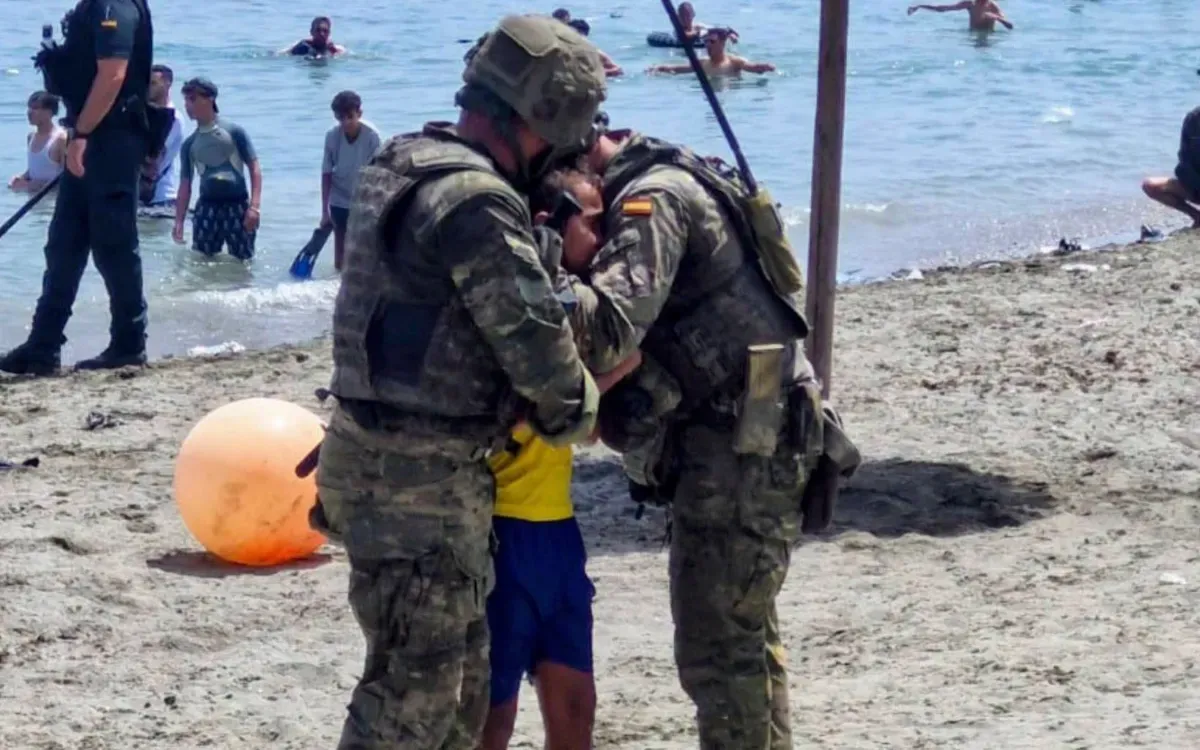
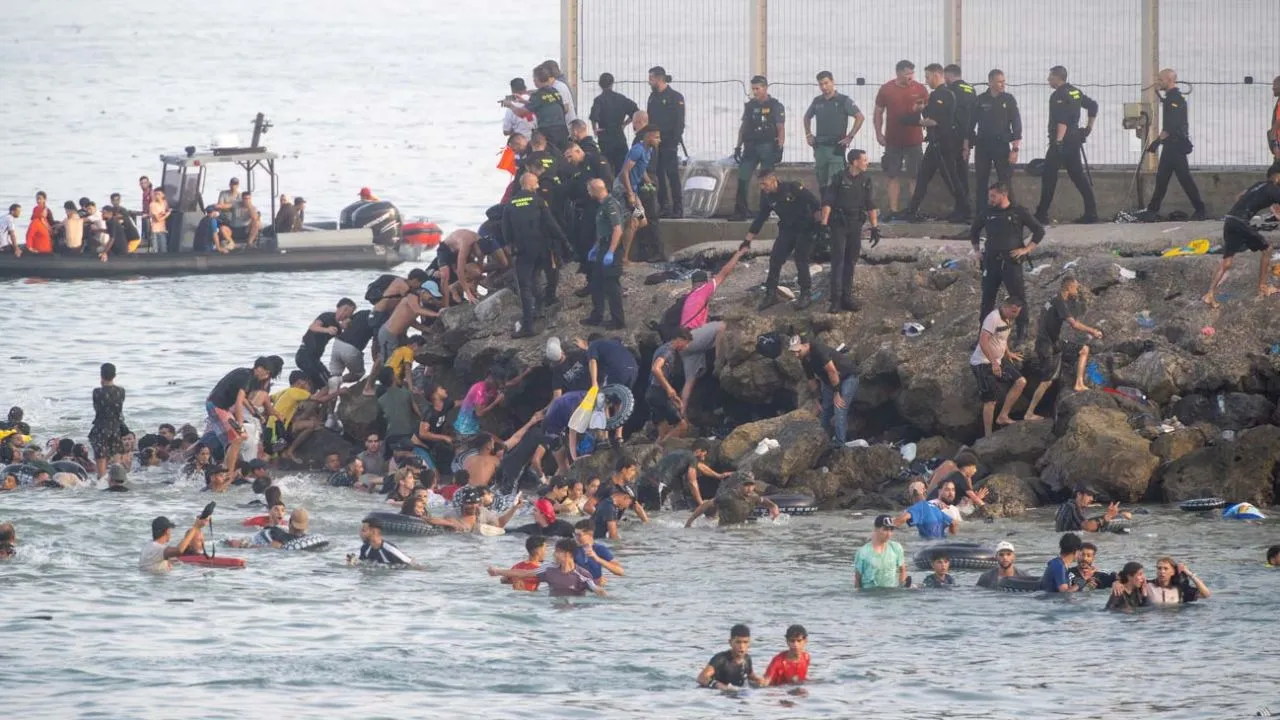
The Spanish enclave of Ceuta, located in North Africa, is currently undergoing a severe humanitarian and social crisis. In just a week and a half, more than 2,000 migrants, primarily young Moroccans and Algerians, including an estimated 40 to 50 minors each day, have crossed the treacherous waters of the Strait of Gibraltar from nearby Moroccan shores. This sudden influx has overwhelmed the city's capacity, which is home to just over 83,000 residents. In response to the escalating situation, the Spanish government has deployed ground troops to bolster the Civil Guard at the border, while authorities have confirmed at least 20 fatalities during these perilous crossing attempts.
As of July 15 of this year, official statistics indicated no maritime entries into Ceuta. However, according to the city's mayor, Juan Vivas, over 1,500 migrants have arrived in recent days at a staggering pace of nearly 200 individuals per day, pushing the total over 2,000 within the last week and a half. The crisis has escalated with new mass crossing attempts, as thousands have flocked to the Moroccan-Ceuta border, some successfully breaching security barriers or swimming into Spanish territory. Search and rescue operations remain active, as authorities anticipate an increase in fatalities.
Overwhelmed Resources and Urgent Calls for Action
The dramatic rise in arrivals has stretched the facilities of the Temporary Immigrant Stay Center (CETI), designed to accommodate only 512 people, forcing newcomers to set up makeshift camps in the open along road embankments and hillsides, enduring harsh conditions while awaiting regularization of their status. Local officials have warned that available resources are inadequate to meet the needs of the recent influx. Mayor Vivas has stated that "there is no room for anyone else," urging the Spanish government to intervene urgently.
Joint operations by the Civil Guard, Maritime Rescue, and the Red Cross have averted further tragedies, with rescue teams recovering 117 individuals in a short time. However, the sea continues to claim lives; recent discoveries of bodies along the coast have raised the death toll of migrants to 29 this year, with 10 of those fatalities occurring in July alone.
In light of the advancing crisis, the Spanish government has announced the deployment of ground troops to Ceuta to support the Civil Guard and assist with security tasks at the border. The Ministry of the Interior has indicated that all administrations are working in coordination to address the crisis. Minister Fernando Grande-Marlaska announced plans to visit Ceuta to closely monitor the situation, even as he asserted that this episode does not alter Spain's overall immigration policy trend, which has reportedly been reducing irregular entries year after year.
"We are in a situation of absolute humanitarian and social emergency," warned the mayor of Ceuta, Juan Vivas, as local authorities called for urgent measures to alleviate migration pressure. Proposed actions include modifying immigration laws to reinstate the so-called "border rejection," enhancing security forces' resources, relocating migrants to other regions of Spain, and intensifying cooperation with Morocco.
The massive influx of migrants has also sparked political repercussions within Spain and the European Union. Alberto Núñez Feijóo, leader of the Popular Party, has called for a "massive deployment of resources" and questioned the government of Pedro Sánchez regarding its response to the situation. Additionally, Italian Prime Minister Giorgia Meloni proposed the possibility of suspending the Schengen Agreement for Spain, which facilitates free movement among European countries. The Spanish government has firmly rejected this stance and summoned the Italian ambassador in Madrid.
Reflecting on past crises, the current situation is reminiscent of the May 2021 migration crisis, when over 10,000 individuals entered Ceuta in just two days after Morocco relaxed border controls. This earlier crisis was triggered by Spain's decision to allow the entry of the leader of the Polisario Front, a movement advocating for Western Sahara independence, for medical treatment. Tensions between the two nations began to ease in 2022 when Spain publicly supported Morocco's autonomy plan for the territory.
As reported by perfil.com.