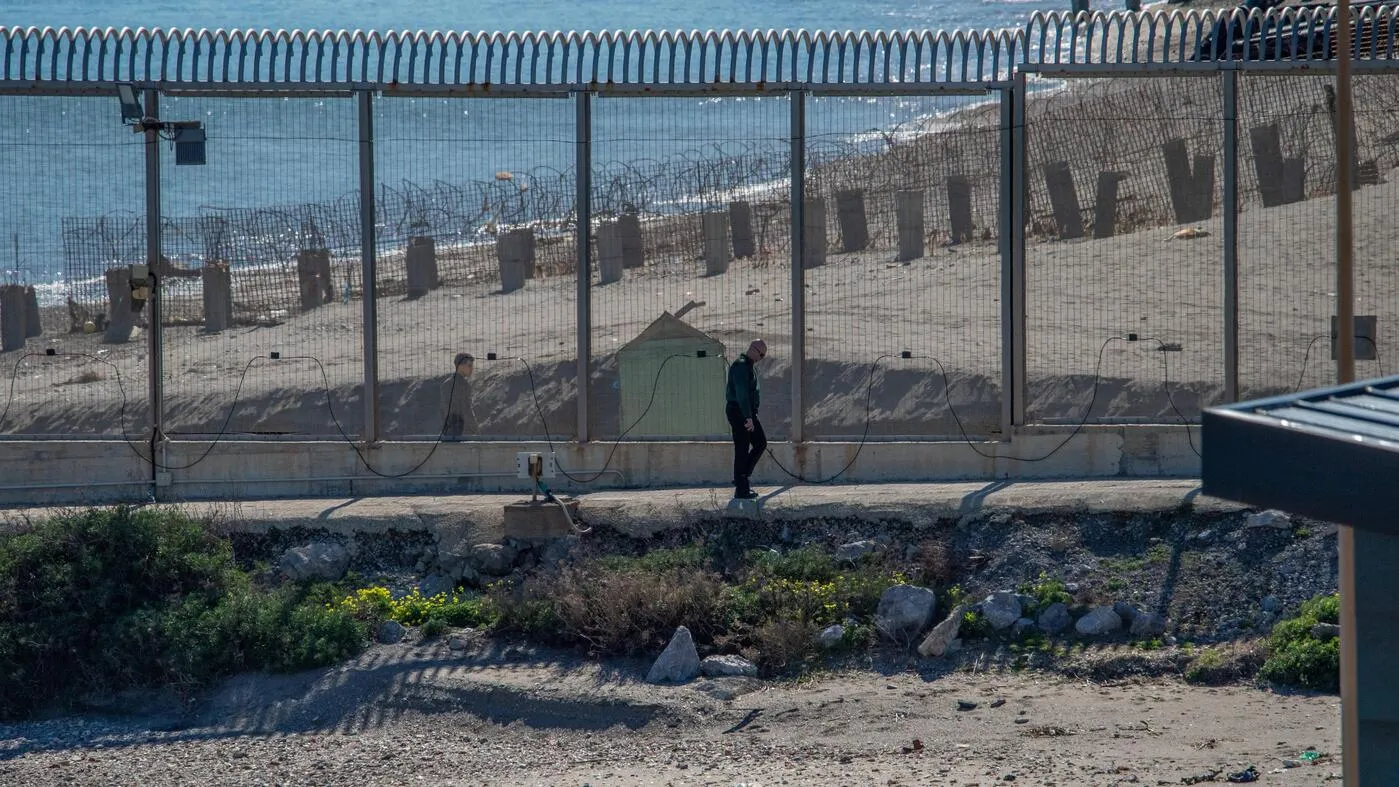
Ceuta Faces a Humanitarian Emergency as Migrants Arrive in Droves
The Spanish exclave of Ceuta, located on the north coast of Africa, is grappling with an escalating humanitarian crisis as hundreds of migrants have recently crossed the sea from Morocco. Local authorities have characterized the situation as a "total humanitarian and social emergency," reflecting the urgent need for resources and assistance. Over the past few days, reports indicate that more than 1,500 migrants, including both adults and minors, have successfully made the perilous journey to Ceuta, prompting widespread concern about the capacity of local reception centers.
Juan Jesus Vivas, the president of Ceuta, expressed alarm over the current state of the territory, emphasizing that the existing facilities are overwhelmed and cannot accommodate the increasing number of arrivals. Currently, the reception centers are operating at full capacity, and facilities designated for unaccompanied minors are reportedly functioning at an astonishing 2,400 percent over their intended capacity. This alarming situation highlights the severe strain on local resources as authorities scramble to respond effectively.
Coordinated Response from Spanish Authorities and Morocco
In light of the escalating crisis, Spain's interior ministry has announced that various governmental entities are working in concert to address the challenges posed by this influx of migrants. Interior Minister Fernando Grande-Marlaska is scheduled to visit Ceuta to assess the situation first-hand and engage with local officials. The Spanish government is reportedly increasing resources aimed at ensuring both security and the provision of necessary humanitarian aid, with a commitment to safeguard lives during these treacherous crossings.
The Moroccan government has been actively collaborating with Spain to manage the migration issue, with security forces reportedly preventing many individuals from attempting to reach Ceuta. This collaboration is essential as the two territories of Ceuta and Melilla represent the only land border between Europe and Africa, making them focal points for migration from the African continent to Europe.
Additionally, a recent ruling by Spain's Supreme Court has determined that migrants intercepted at sea while attempting to reach Ceuta or Melilla cannot be returned summarily, adding another layer of complexity to the already intricate migration landscape. As the situation continues to evolve, the need for a comprehensive and humane response to this ongoing crisis becomes increasingly critical.
As reported by france24.com.