
Hyundai's Commitment to Sustainable Transport in Marrakech
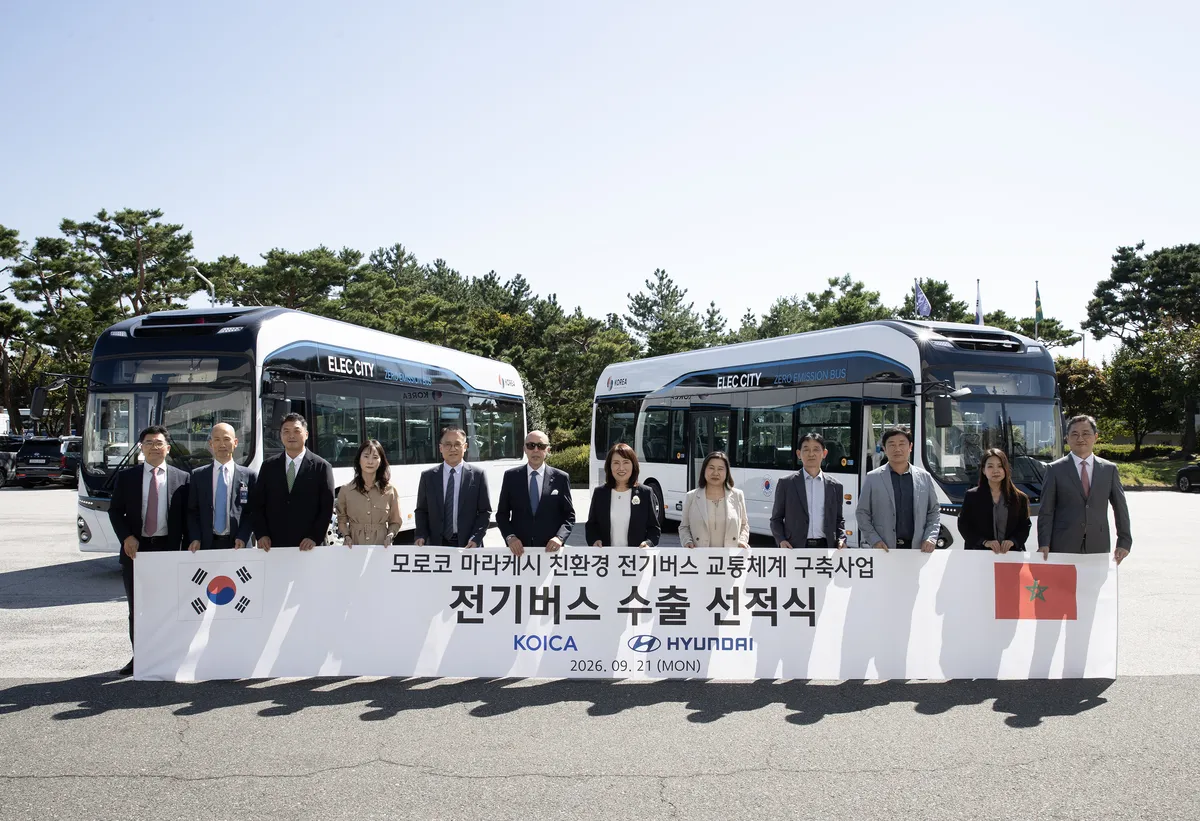
Marrakech is set to welcome a significant boost in its public transportation system with the introduction of 15 state-of-the-art Elec City electric buses, courtesy of Hyundai Motor Company. This initiative is part of a development aid project implemented in collaboration with the Korea International Cooperation Agency (KOICA) and the local government of Marrakech. The announcement, made by Hyundai, came shortly after a ceremonial handover at their Jeonju plant in Wanju County, North Jeolla Province. This event marked the completion of the first two buses, attended by distinguished officials including Lee Seung-min from Hyundai’s commercial vehicle division, Do Young-a from KOICA, and Chafik Rachadi, the Moroccan ambassador to Korea.
The Elec City buses represent the first domestically produced electric buses to be deployed in Morocco, and they will primarily operate on routes that connect key tourist areas within the city. The initiative is expected to not only address the rising demand for public transport but also play a critical role in reducing air pollution in urban areas, aligning with global efforts to foster cleaner environments.
Enhancing Morocco’s Sustainable Mobility Goals
This project is rooted in KOICA's official development assistance (ODA) program, which aims to enhance local capacities through the provision of electric buses, fast-charging stations, and technical training for personnel responsible for operating and maintaining these vehicles. Such initiatives resonate with Morocco’s broader low-carbon strategy, which seeks to slash greenhouse gas emissions by up to 45.5% by 2030, with an ambitious goal of achieving carbon neutrality by 2050. The introduction of these low-emission vehicles is anticipated to alleviate transportation costs and promote a more sustainable mobility framework within the city.
Hyundai has plans to conduct a local handover ceremony in Morocco in early 2027, coinciding with the completion of the remaining vehicle production and shipment. This initiative is seen as a strategic move to extend Hyundai's commitment to eco-friendly commercial mobility on a global scale, adapting their offerings to meet the specific needs of different regions. Park Chul-yeon, head of Hyundai’s Global Commercial Vehicle Division, emphasized the project's potential to revolutionize public transport through electrification, thereby facilitating sustainable urban mobility solutions.
Do Young-a expressed optimism regarding the project's ability to foster eco-friendly public transportation in Morocco, which she believes will enhance urban development. She anticipates that the Elec City buses will pave the way for increased penetration of Korean-made electric vehicles within Morocco and the broader North African market. Ambassador Rachadi highlighted the symbolic importance of this project in Marrakech, a city renowned as the host of the 22nd UN Climate Change Conference (COP22) and a cornerstone of Morocco’s economic and cultural landscape. He is confident that this initiative will not only contribute to Morocco’s carbon neutrality aspirations but also enhance transportation convenience for local residents, potentially heralding a new era of cooperation between Korea and Morocco in the realm of sustainable urban mobility.
As reported by moroccoworldnews.com.