

Imam Dismissed in Morocco Over Ceuta Commentary
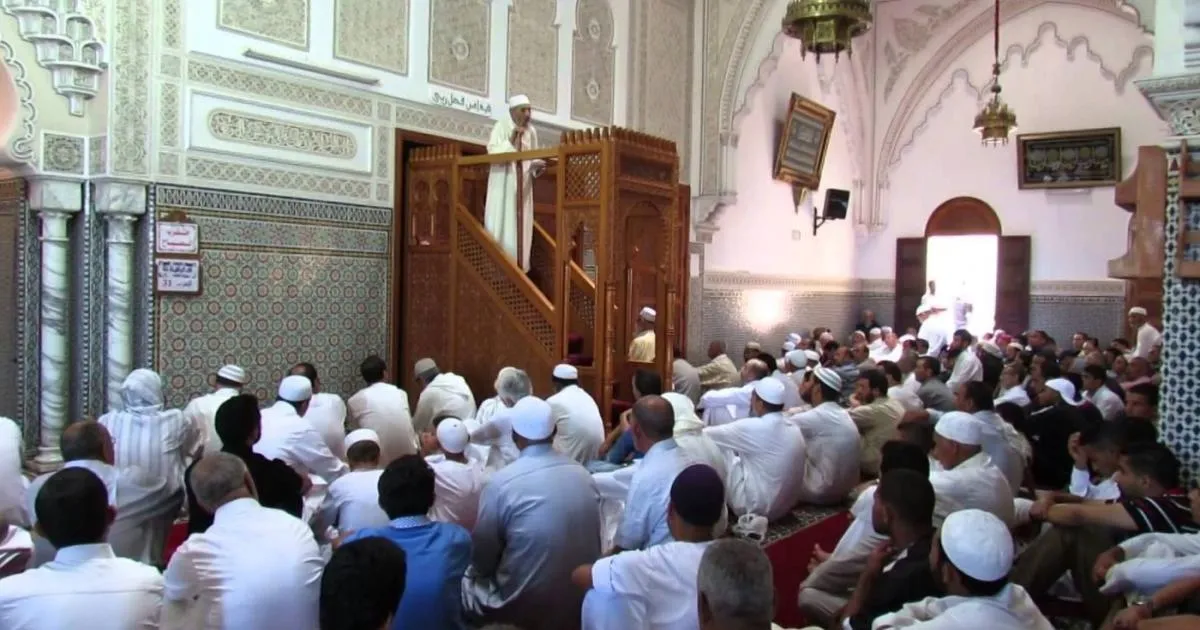
In a significant move, Moroccan authorities have dismissed an imam from his Friday sermon duties in the eastern city of Berkane due to his remarks concerning recent events in the city of Ceuta. This decision has sparked debates regarding the freedom of expression and the role of religious leaders in addressing pressing societal issues. The imam, identified as Saeed Tahiri, was reportedly removed after suggesting that the challenges leading young people to migrate should be examined, rather than accusing them of hating their homeland.
The controversial comments were made during a sermon delivered on July 31, when thousands of migrants, including Moroccans and individuals from other nationalities, attempted to cross into Ceuta, a Spanish enclave on the northern coast of Morocco. This surge of migration resulted in significant political and media controversy, with the Moroccan authorities estimating around 40,000 individuals crossed into Ceuta, while Spanish authorities reported the number as exceeding 70,000.
According to various social media reports and local news outlets, the decision to dismiss Imam Tahiri from his duties was justified by the authorities as a violation of the established protocols governing sermons and religious leadership. In the sermon that led to his dismissal, he articulated the responsibilities of the state toward its citizens, emphasizing the need for the government to provide education, health care, employment, and security. He argued that without fulfilling these obligations, it is unfair to expect citizens to meet their responsibilities to the state. "We do not encourage youth to endanger themselves, but it is essential to first build awareness to prevent young people from risking their lives at sea," he stated.
This incident mirrors a previous case earlier this year, where another imam from the "Al-Ghafran Mosque" in Kenitra was dismissed after criticizing what he termed moral deviations during a local summer festival. The recurring theme of governmental pushback against religious leaders who address socio-political issues raises questions about the extent of freedom of speech within religious contexts in Morocco.
Ceuta, located on the northern coast of Morocco and administered by Spain, has long been a focal point of migration debates, with Morocco asserting claims over the territory. The latest events highlight ongoing tensions surrounding migration policies and the experiences of those attempting to cross into Europe.
As reported by alaraby.com.
