
Middle Eastern Turmoil Disrupts Agricultural Stability in Morocco
After enduring seven years of drought, Moroccan farmers had recently regained a sense of hope as the latest rains revitalized their fields, leading to significantly improved crop forecasts. Official reports suggest that cereal production is expected to exceed 90 million quintals, a substantial increase from the 44 million quintals recorded during the previous season. Overall agricultural output is anticipated to rise by approximately 15%. However, this optimism is now overshadowed by the economic repercussions of ongoing conflicts in the Middle East, which have triggered a surge in fuel, fertilizer, and transportation costs, thereby escalating production expenses in various agricultural regions across Morocco.
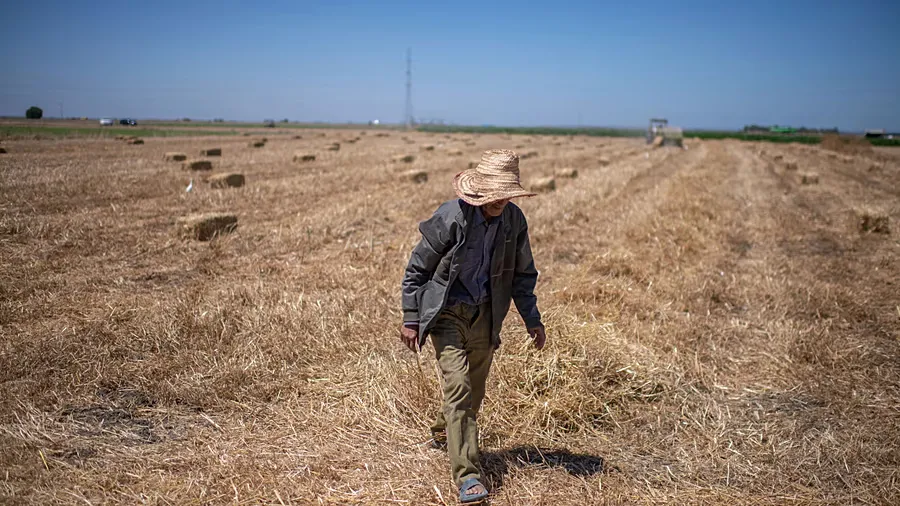
In Marchouch, located south of Rabat, farmer Mehdi El-Maazi noted that the price of diesel fuel, essential for tractor operations, has increased from around 1,200 to 1,800 dirhams per hectare since the onset of the conflict. Additionally, producers are voicing concerns over the rising costs of fertilizers, machinery rentals, and labor. Agricultural workers are now demanding daily wages of up to 250 dirhams, further straining the economic viability of farming operations. For many professionals in the sector, this inflationary pressure poses a direct threat to the profitability of their businesses. Some equipment rental companies report that they are merely breaking even, as their revenues barely cover fuel and maintenance costs.
The livestock sector is not exempt from these challenges, as rising feed prices are also impacting farmers. In response to these escalating costs, the Moroccan government has announced assistance measures aimed at transport operators; however, many farmers believe these actions fall short of stabilizing expenses adequately. Agriculture accounts for nearly 12% of Morocco's GDP and supports about a quarter of the active workforce. Consequently, there is a growing fear among industry stakeholders that consumer prices for agricultural products may rise sharply.
As reported by fr.africanews.com.