
Return of Migrants Due to Adverse Weather Conditions
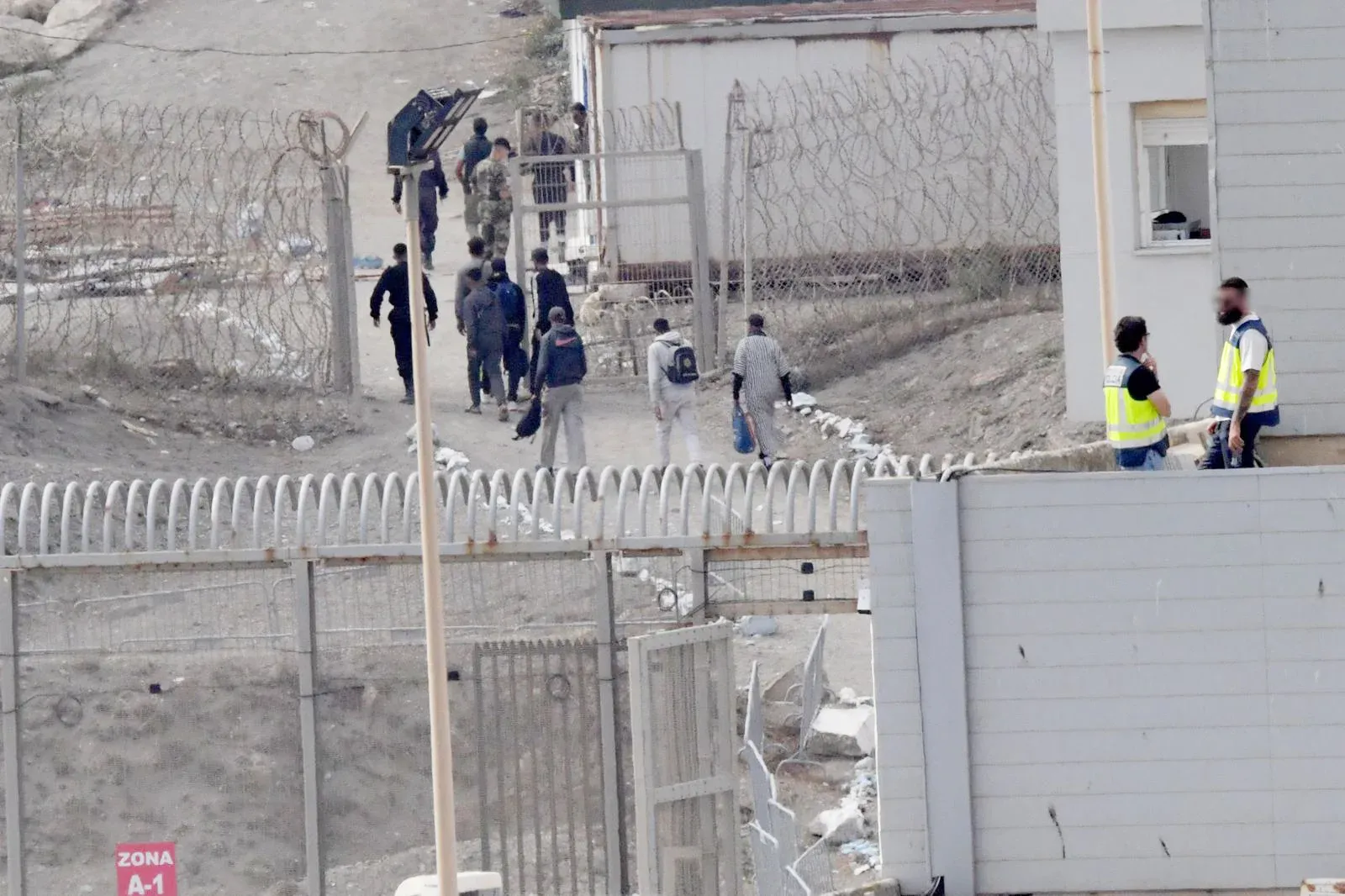
On September 28, adverse weather conditions in Ceuta prompted several Moroccan migrants, who had initially entered the city during the mass migration events of July 30 and 31, to make the decision to return to their home country. A reliable source from Ceuta informed Yabiladi that within just a few hours, over 150 individuals opted to leave, a figure corroborated by local media outlets. Social media has been flooded with images and videos depicting groups of these migrants embarking on the journey back to Morocco.
The source highlighted that the combination of bad weather and the dismantling of temporary gathering spots significantly contributed to the uptick in returns on foot, with reports indicating that some migrants were also seen being transported by bus. The situation on the ground remains tense, with migrants reportedly enduring challenging living conditions. There have been alarming accounts of violence directed at them by members of the Spanish military, with Yabiladi receiving graphic images of a migrant suffering from fractured toes.
These distressing circumstances have compelled some migrants to choose voluntary return, while others remain steadfast in their determination to stay in Ceuta, clinging to the hope of eventually reaching Spain. Many express that despite their current hardships, they are resolute in their decision to remain in the city.
New Statistics on Migrant Returns and Minor Transfers
On September 29, Spanish police undertook an operation to clear the last occupied segment of Benítez beach, where it was reported that between 300 to 400 migrants had been residing. According to Spanish media sources, this operation involved approximately 120 security personnel and lasted from early morning until late morning, resulting in the migrants being transported to a temporary reception center for identity verification and subsequent asylum interviews. The Spanish government is aiming to expedite this process, which currently spans approximately 12 weeks.
Furthermore, authorities have extended an offer to migrants for voluntary repatriation to Morocco, while minors are being directed to specialized centers. Following the operation, the beach was also cleaned to restore its condition.
Spain’s Minister for Territorial Policy and Democratic Memory, Ángel Víctor Torres, reported to the Senate on September 29 that since August 10, a total of 8,243 individuals have returned from Ceuta. Out of this number, 449 were deported under expulsion orders, while 7,794 returned through various other procedures. In response to inquiries from People's Party senator Cristina Díaz Moreno, Torres estimated that currently between 2,500 and 3,000 migrants remain on the streets of Ceuta.
He noted that approximately 160 to 200 individuals are returning each day, attributing this trend to advancements in processing asylum applications, which has led some to depart after realizing they do not meet the criteria for international protection. Additionally, Torres revealed that since early August, 213 minors have been transferred from Ceuta to Spain, with 144 placed in shelters and 69 reunited with family members. The Foreigners’ Office and the Moroccan embassy are currently addressing eight cases concerning the reunification of minors with relatives in Morocco. Age assessments determined that of the 594 individuals evaluated, 554 were classified as minors.
As reported by en.yabiladi.com.