
Inspector's Allegations Rock Moroccan Educational System
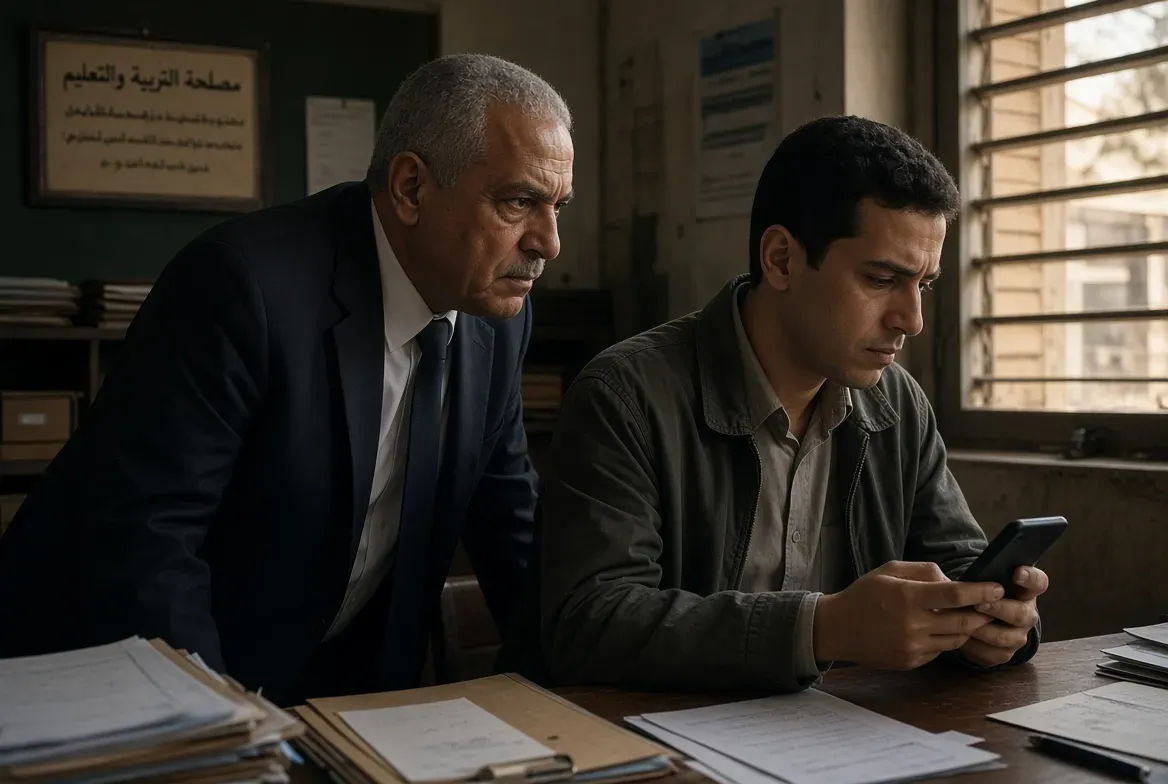
In recent days, the city of Fes has been engulfed in controversy following the suspension of a secondary education inspector amid serious allegations of sexual harassment. The incident began when a social studies teacher filed a complaint alleging that he had received inappropriate messages via WhatsApp from the inspector, who is employed by the Ministry of National Education. These messages reportedly contained sexual propositions and attempts to initiate a sexual relationship without the teacher's consent.
On September 18, 2026, coinciding with the start of the new school year, law enforcement in Fes took decisive action, arresting the inspector based on the teacher's complaint. The investigation led by the judicial police involved testimonies from both parties and technical examinations of the messages in question. The inspector was detained before being presented to the public prosecutor at the Fes court the following day.
During the proceedings, the inspector admitted to sending the controversial messages; however, he claimed to be unaware of the identity of the recipient. This aspect of the case remains a focal point as the judicial process unfolds.
Legal and Administrative Responses
The public prosecutor has opted to prosecute the inspector while he remains free, facing charges related to sexual harassment through electronic messages and solicitation for prostitution. The Fes court has scheduled the first hearing for October 20, 2026. Concurrently, the regional education directorate in Fes swiftly moved to suspend the inspector from his duties, halting his salary (excluding family allowances), and referring him to a disciplinary council, which is expected to convene soon.
Reports suggest that the teacher later withdrew his complaint; however, the public prosecutor has insisted on proceeding with the case. In response to the unfolding events, the regional office of the Education Inspectors' Union in Fes issued a clarifying statement denying any connection between the case and the sole social studies inspector at the Fes directorate. The union emphasized that the circulating information could tarnish the reputation of educators and their families.
The union condemned all forms of defamation and the dissemination of unreliable information, urging media outlets and social media users to act responsibly and verify facts before publication, especially when it pertains to individuals' reputations and private lives. They reaffirmed their commitment to uphold the law and protect the dignity of educational staff while reserving the right to pursue legal action against anyone disseminating false and damaging information, whether intentionally or otherwise.
As reported by tanja7.com.