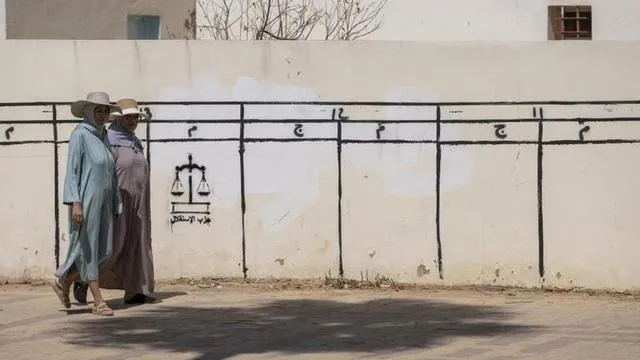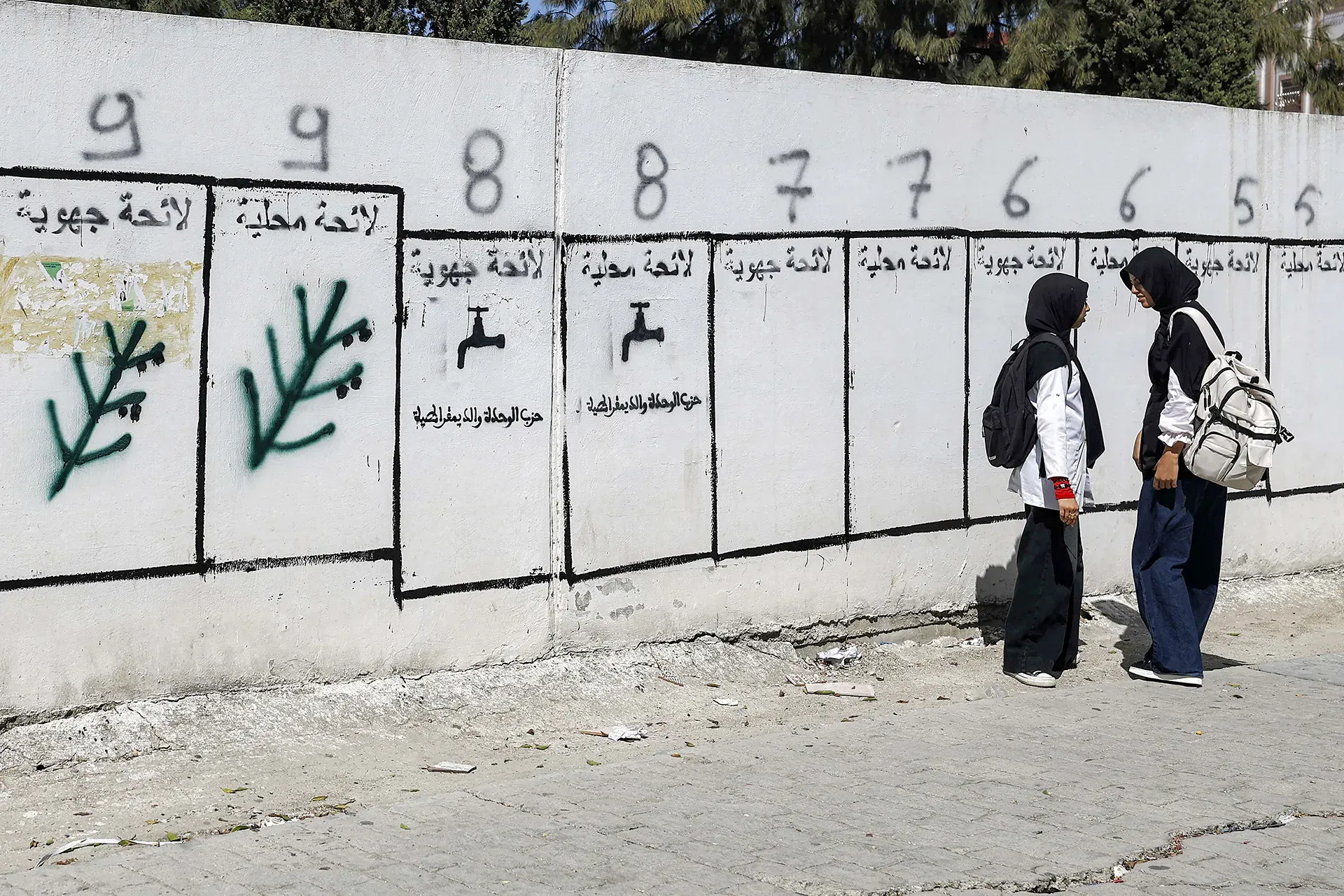

The legislative elections in Morocco, scheduled for Wednesday, are expected to witness fierce competition for seats in the House of Representatives. This electoral process is clouded by significant debate regarding the electoral quotient, which governs the distribution of seats, as well as discussions surrounding the participation of youth within the lists and in political life. These issues raise critical questions about the nature of competition among political forces and the rules that govern them.
Electoral Landscape and Political Promises
In this twelfth legislative election since Morocco's independence, 28 political parties are competing for 395 seats in the House of Representatives, with a registered voter base of 15,801,000. The calculation of the electoral quotient is based on the number of registered voters in constituencies before distributing seats according to the "largest remainder" method. The competing parties have made unprecedented promises, including wage increases, reductions in income tax—which is among the highest globally—and the introduction of allowances for the unemployed and those wishing to marry. According to Al Jazeera's correspondent in Rabat, Mokhtar Al-Ablaoui, these pledges reflect a significant shift in the political landscape.
During the program "Behind the News," which aired on Tuesday evening, guests presented diverse interpretations of the electoral scene. Mohamed Bouden, a lecturer in public law and political science, viewed the election as a crucial step in Morocco's democratic accumulation process. In contrast, political science professor Ismail Hamoudi criticized the competitive rules and the implications of the electoral quotient, while economics professor Badr Al-Zahir Al-Azraq discussed the role of youth and the atmosphere of the campaign.
Youth Participation and Political Dynamics
According to Mohamed Bouden, this electoral milestone represents a new phase in Morocco's democratic journey, especially amid rising expectations domestically and the geopolitical context surrounding major national issues. He emphasized that competition does not guarantee a specific party's victory, asserting that "the ballot box will be decisive in this stage." Bouden also noted that enhanced media and digital scrutiny, alongside the presence of observers, contribute to monitoring the electoral process effectively.
Conversely, Ismail Hamoudi characterized the party landscape as a competition among parties that he claims are "close to power or have been established under its auspices," indicating that the rivalry centers primarily on securing the top position. The discourse surrounding the electoral quotient, which is calculated based on the number of registered voters rather than valid votes, sparked contrasting views among the guests. Hamoudi argued that this approach constitutes a "pre-engineering of the electoral process," undermining the principle of equality among citizens' votes. He added that the system tends to yield closer results among parties, complicating the formation of a stable government by the leading party without extensive alliances.
Addressing these concerns, Bouden stated that the issue of the electoral quotient was resolved earlier through the legislative process. He pointed out that subsequent legal amendments focused on what he termed "purifying the electoral process," including prohibiting candidacies for individuals facing corruption charges or who have been convicted. However, he acknowledged that reviewing electoral laws remains the prerogative of the elected parliament and its majority.
Discussions also highlighted the diminished youth participation in this electoral cycle compared to the 2021 elections. Hamoudi noted that political party programs promised commitments related to job opportunities and a decent life, yet he tied their impact to the parties' ability to fulfill these promises and regain youth trust. Al-Azraq referenced official statistics indicating low registration rates among young voters, with only 15% for those aged 25 to 34 and a mere 3% to 4% for the 18 to 24 age group. He attributed this decline to the failure of parties to renew their leadership, weak party progression, and the absence of youth in leadership roles, alongside allegations of corruption involving some party members.
Nevertheless, Bouden rejected the notion that the decline in youth participation stemmed from a boycott of the nation, asserting that young people provide critical evaluations of traditional party performances. He likened the nation to a house that requires cleaning and active participation in its construction, rather than a hotel that one leaves if dissatisfied with the service.
As reported by aljazeera.net.