
The upcoming regional elections in the Marrakech-Safi region are poised to witness a significant contest as candidates vie for the ten parliamentary seats allocated to this electoral district. This election cycle is particularly noteworthy not only for the fierce competition among various political parties but also for the increased emphasis on enhancing the representation of women within the House of Representatives. This dual focus on securing seats and promoting gender equity reflects a shifting political landscape in Morocco.
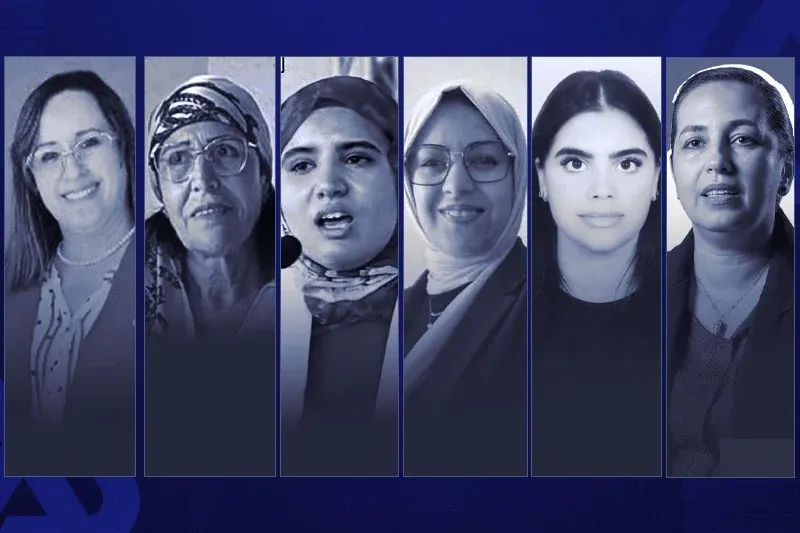
Many political parties are still finalizing their candidate lists for this legislative district as negotiations continue to determine the women who will represent them in these pivotal elections. In contrast, several parties have already announced their female candidates, showcasing their proactive approach to this electoral process. As of now, Nadia Idrissi Salitine from the Authenticity and Modernity Party (PAM) has confirmed her candidacy, while Salma Ahlouch has been selected as the candidate for the Independence Party. Hind Rouissi will represent the Justice and Development Party (PJD), alongside Mariam Kanouni from the Progress and Socialism Party. Furthermore, the National Rally of Independents (RNI) seeks to maintain its parliamentary seat with candidate Rashida Ait Bouazza, while the Socialist Union of Popular Forces (USFP) has positioned Khadija Al-Akrud at the top of its regional list.
Women’s Dominance in the PAM
Reflecting on the results of the previous regional elections held on September 8, 2021, the Authenticity and Modernity Party demonstrated its dominance in the Marrakech-Safi region, which is home to many of its top leaders. During the last round of elections, PAM secured two out of ten available seats, spearheaded by candidate Nadia Benzidfa, who garnered an impressive 272,013 votes. The RNI followed closely in second place, with its candidate Mariam Ramili receiving 249,634 votes, while Sahar Abduh from the Independence Party achieved 185,424 votes. Additionally, Sana Benin from the Constitutional Union also won a seat through the regional list, followed by Hanan Fattaras from the USFP and Malika Akhshkhoosh from the Progress and Socialism Party. Lastly, Aisha Al-Kout from the PJD secured a seat with 36,525 votes, rounding out a competitive electoral landscape.
This dynamic political scenario underscores the evolving nature of Moroccan politics, where the intersection of gender representation and electoral competition is becoming increasingly significant. As the election date approaches, it will be essential to monitor how these developments unfold and which parties ultimately prevail in securing their desired parliamentary positions.
As reported by hespress.com.