
The Hajeb electoral district is gearing up for a particularly fierce competition over two seats in the upcoming 2026 elections. Despite the dominance of the Istiqlal Party since 2016, various political parties are eyeing their chance to alter the electoral landscape. Some candidates are seeking to reclaim their positions following setbacks in 2021, while others aspire to rise to prominence for the first time.
In the 2016 electoral results, the Istiqlal Party emerged as the leader with 12,014 votes, and its candidate, Youssef Hadhem, secured one seat. Hot on their heels was the Justice and Development Party (PJD), which garnered 11,407 votes, leading to its candidate, Khaled Bouqraï, claiming the second seat. Other parties, however, fell short of winning any seats, including the Popular Movement with 8,497 votes, the Socialist Union of Popular Forces with 7,627 votes, the Authenticity and Modernity Party with 4,146 votes, the National Rally of Independents with 2,800 votes, and the Social Democratic Movement with 1,746 votes.
In the subsequent rankings, the Constitutional Union garnered 1,117 votes, followed by the Leftist Democratic Federation with 980 votes, the Progress and Socialism Party with 447 votes, the Al-Nahda and Al-Fadila Party with 303 votes, the Unity and Democracy Party with 136 votes, the Moroccan Green Left Party with 98 votes, the Social Center Party with 92 votes, and lastly, the Shura and Istiqlal Party with just 15 votes.
Moving forward to the 2021 elections, the Istiqlal Party maintained its leading position, receiving 23,569 votes and securing one seat with its candidate, Lahcen Al-Amoud. The National Rally of Independents followed closely with 21,115 votes, allowing its candidate, Wahid Hakim, to claim the second and final seat. The remaining parties again failed to secure any seats, including the Progress and Socialism Party with 9,922 votes, the Authenticity and Modernity Party with 7,147 votes, the Popular Movement with 5,164 votes, the Justice and Development Party with 4,626 votes, the Socialist Union of Popular Forces with 2,740 votes, the Unified Socialist Party with 1,394 votes, the Environment and Sustainable Development Party with 762 votes, and the Social Democratic Movement with 711 votes.
Other parties ranked without winning any seats include the Leftist Federation Alliance with 543 votes, the Social Center Party with 402 votes, the Fairness Party with 273 votes, the Moroccan Greens Party with 262 votes, the Shura and Istiqlal Party with 182 votes, and the Labor Party with a mere 16 votes.
Electoral Changes and Future Prospects
Comparing the two electoral events reveals that the Istiqlal Party successfully retained its seat from 2016 in the 2021 elections. Conversely, the Justice and Development Party lost the seat it had won in 2016, which shifted to the National Rally of Independents in 2021.
The Istiqlal Party demonstrated impressive growth in the Hajeb district, increasing its votes from 12,014 in 2016 to 23,569 in 2021. The National Rally of Independents also witnessed a significant surge, jumping from 2,800 votes to 21,115 votes. Additionally, the Progress and Socialism Party saw its votes rise from 447 to 9,922, while the Authenticity and Modernity Party's votes increased from 4,146 to 7,147.
On the other hand, the Justice and Development Party experienced a sharp decline, with votes plummeting from 11,407 in 2016 to 4,626 in 2021. Similarly, the Popular Movement's votes fell from 8,497 to 5,164, and the Socialist Union of Popular Forces dropped from 7,627 to 2,740. The Social Democratic Movement also saw a decrease from 1,746 votes to 711.
The Leftist Federation Alliance's votes dropped from 980 in 2016 to 543 in 2021, while the Social Center Party saw a modest increase from 92 to 402 votes. The Shura and Istiqlal Party rose from 15 to 182 votes.
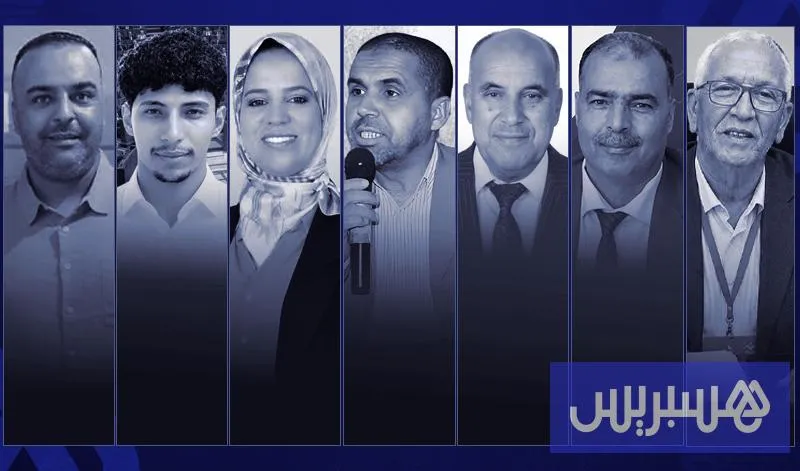
As the Hajeb district braces itself for the 2026 legislative elections, it faces intense competition among seven candidates who have received endorsements from their respective political entities to vie for the two available seats. The announced candidates include: Najib Zarari from the National Rally of Independents, Ahmed Daqaqi from the Authenticity and Modernity Party, Lahcen Al-Amoud from the Istiqlal Party, Abdelhaq Al-Saidi from the Justice and Development Party, Asma Al-Zaim from the Leftist Alliance, Omar Ben Sat from the Socialist Union of Popular Forces, and Rafiq and Nazir from the Progress and Socialism Party.
This electoral race is poised to redefine the balance of power within the region, with the National Rally of Independents striving for greater opportunities through Najib Zarari, while the Istiqlal Party looks to maintain its position under the leadership of Lahcen Al-Amoud. The candidacy of Ahmed Daqaqi from the Authenticity and Modernity Party aims to reshape the local political landscape and intensify competitive strategies. Other competing forces are also looking to solidify their presence; for instance, the Justice and Development Party is banking on Abdelhaq Al-Saidi to restore its organizational base, especially after its loss in 2021, while other parties are hoping to create surprise outcomes.
As reported by a5r5br.net.