
Global Companies Vie for High-Speed Train Contract in Morocco
The ambitious high-speed train project in Morocco has sparked fierce competition among international companies from four different countries. The National Office of Railways has recently issued a tender for the procurement of railway tracks intended for the segment connecting Kenitra to Marrakech, with an estimated budget of 151 million dirhams, which is approximately 16.22 million dollars. Six companies participated in the tender, and four of them successfully progressed to the financial evaluation stage, with bids ranging between 180 and 212 million dirhams, surpassing the originally allocated budget.
The list of companies that reached the final stage includes JSW Steel Italy, a subsidiary of the Indian conglomerate JSW Steel, Indian company Jindal Steel, Chinese firm China Railway Materials Hong Kong & Macao, and German company Saarstahl Rails SAS. Notably, two other Chinese companies failed to pass the pre-qualification phase. This re-entry of Chinese companies into the competitive landscape aligns with the increasing presence of Chinese railway manufacturing in Morocco, as evidenced by a previous contract awarded in April 2025 to supply tracks for the project valued at 370 million yuan, with approximately 13,000 tons shipped to the kingdom by November of the same year.
JSW Steel Italy has emerged as a strong contender, presenting the lowest financial offer in the current bidding process. This company had previously secured a contract in December 2024 for supplying railway tracks for the same project valued at 653 million dirhams. These figures highlight the scale of investments associated with the high-speed train project and indicate the growing significance of the Moroccan market for major international firms specializing in railway manufacturing and infrastructure development. Meanwhile, additional contracts related to infrastructure and necessary equipment for the new line continue to be awarded.
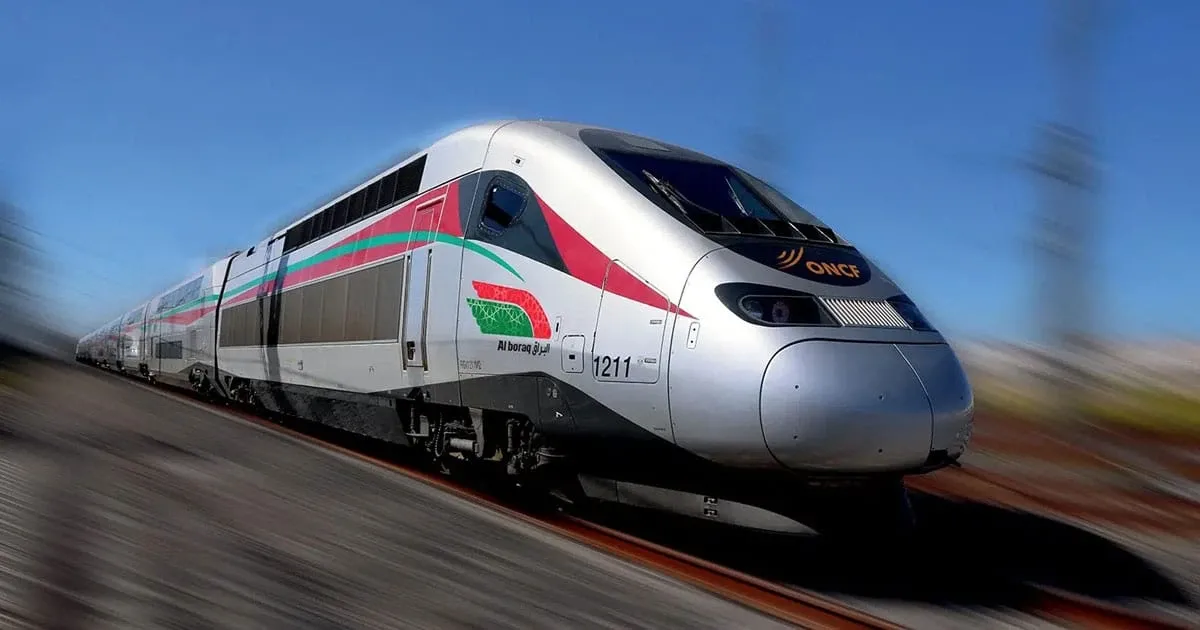
The high-speed train line will stretch approximately 430 kilometers between Kenitra and Marrakech, with a design speed of 350 kilometers per hour and an operational speed reaching 320 kilometers per hour. It is expected to commence operations by the end of 2029. This project is a critical component of Morocco's strategy to expand its high-speed rail network in anticipation of hosting the 2030 World Cup. Upon completion, it aims to significantly reduce travel times between several major cities and enhance rail connectivity between the northern and southern regions of the kingdom, thereby increasing Morocco's attractiveness to international companies operating in the transportation and railway infrastructure sectors.
As reported by akhbarona.com.