
Electoral Dynamics in Southern Morocco
As the legislative elections scheduled for September 23 approach, the southern provinces of Morocco are gearing up for a fiercely contested electoral battle. Regions such as Laâyoune, Dakhla, Boujdour, and Smara are witnessing a significant escalation in competition among local notables, with the enduring influence of tribal affiliations playing a crucial role in shaping electoral outcomes. Despite the gradual establishment of political institutions and parties within these areas, tribal and familial ties remain pivotal in dictating voting behavior and alliance formations.
The Role of Tribal Networks in Electoral Participation
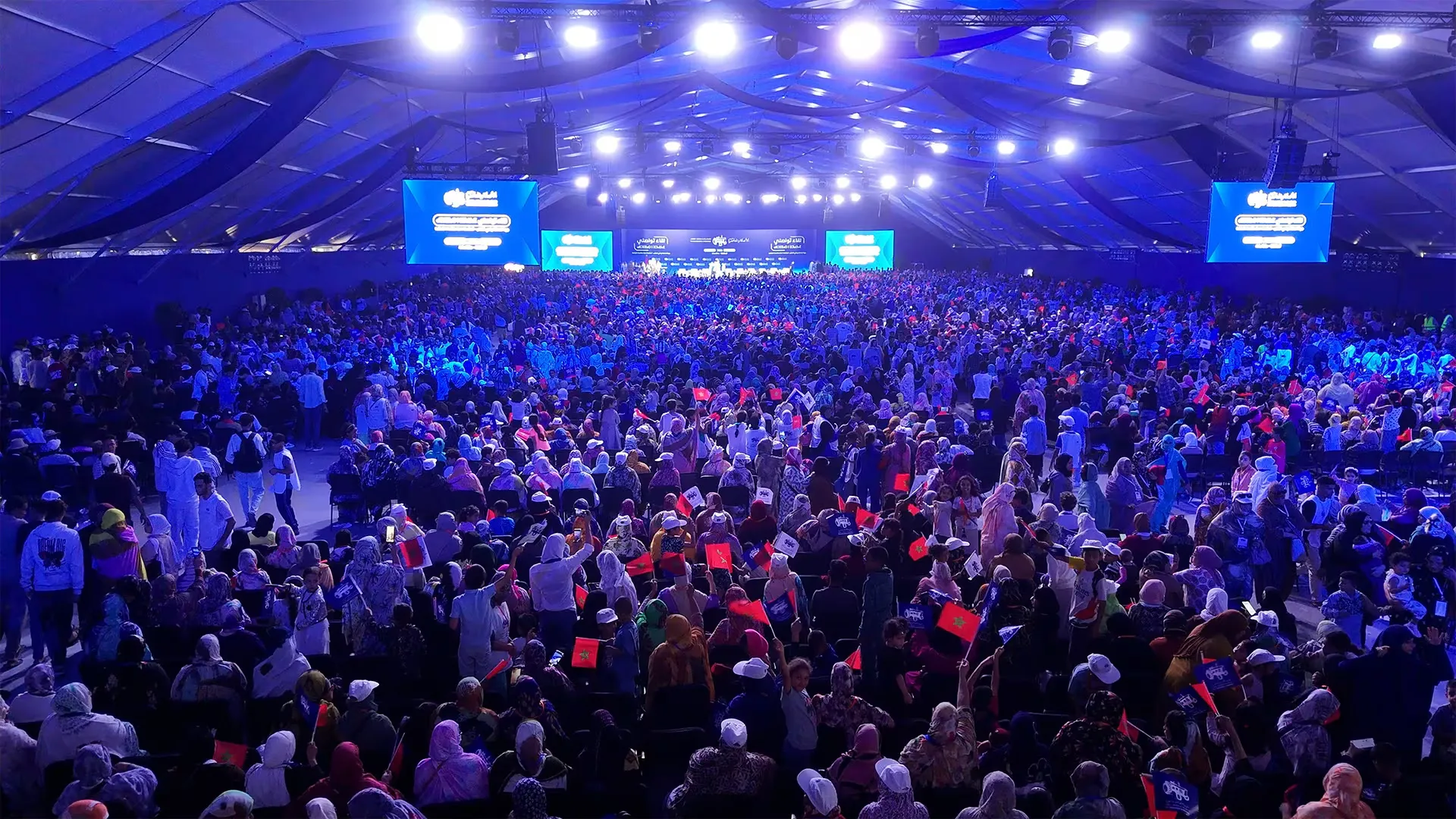
Recent reports indicate that Laâyoune has become a focal point for tribal gatherings aimed at mobilizing support for the upcoming elections. This resurgence of tribal influence underscores the pivotal role that family and clan connections hold in the political landscape, as these networks evolve into vital communication channels between candidates and voters during the electoral period. Prominent figures, including tribal leaders and notables, leverage their social standing and relationships to galvanize voter turnout and sway discussions toward specific candidates or party choices.
Socio-political analyses of previous electoral experiences in Laâyoune reveal that tribal loyalty often supersedes party affiliation when it comes to forming coalitions and assessing power dynamics. The emergence of certain candidates and alliances can be significantly impacted by the social and familial networks associated with the contenders. Furthermore, traditional consultation mechanisms, such as councils of notables, continue to play a relevant role in the Sahrawi community, serving as platforms for deliberation on community issues. These historical structures are now being reinvigorated within the context of political participation and elected assemblies.
However, it would be premature to conclude that individual voter choice is being entirely overshadowed by these collective influences. While calls for civic engagement are prevalent, the decision regarding which candidate to support remains a personal one. The recent activities observed in Laâyoune illustrate a pronounced overlap between political and social spheres in the southern provinces, where party competition intertwines with familial ties and local networks of influence.
As reported by fr.le360.ma.