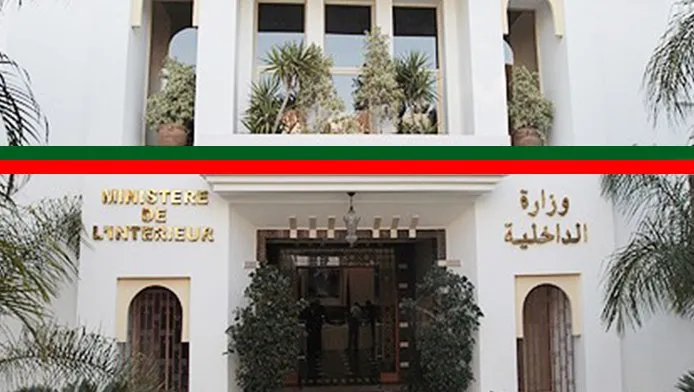

In-Depth Examination of Real Estate Development Files by the Ministry of Interior
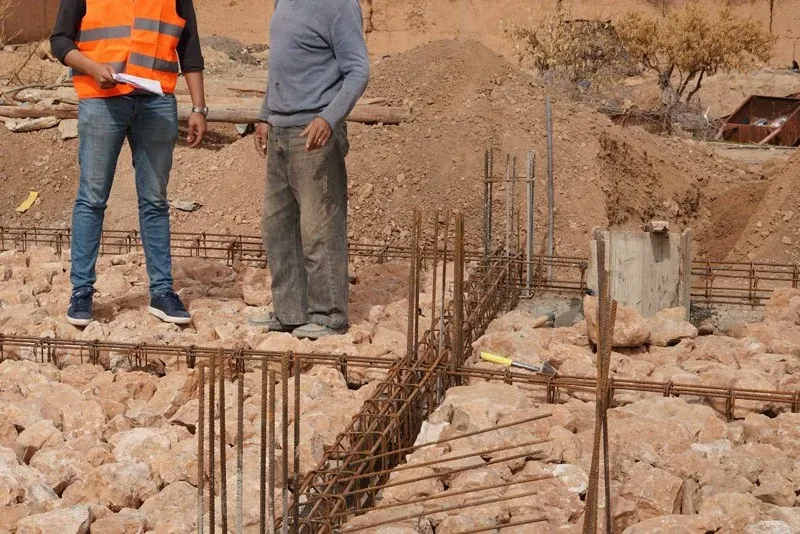
Recent field reports from administrative departments in the regions of Casablanca-Settat, Rabat-Salé-Kénitra, Marrakech-Safi, and Fès-Meknès have prompted the central services of the Ministry of Interior to issue urgent instructions. These directives aim to accelerate investigations into real estate subdivision files owned by developers and real estate promoters. The impetus for this scrutiny arose from indications that certain real estate projects received dubious facilitation, enabling them to commence construction before completing all necessary legal procedures related to permits through unified windows.
According to well-informed sources, these investigations were launched following the intersection of field data with recent reports from the General Inspectorate of Territorial Administration. These reports revealed discrepancies in the application of legal procedures among similar projects, indicating that some construction sites were initiated under exceptional conditions despite not having completed their technical files or received final permits. This situation raised suspicions regarding possible interventions favoring the developers, particularly in areas experiencing urban pressure and rising property values.
Thorough Review of Local Tax Management and Potential Misconduct
The ongoing investigations also extend to a meticulous review of the processing of subdivision files within the concerned municipalities and unified windows. This includes examining application submission dates, minutes from technical committees, and compliance documents to ascertain adherence to legal timelines and uncover any potential manipulation in file ordering or granting exceptional privileges to certain projects over others.
Moreover, sources from Hespress highlight that the current inquiries are focused on verifying allegations of intervention by elected officials who may have undisclosed interests and partnerships with developers in exchange for facilitating the commencement of work and overlooking urban violations. There are also concerns regarding interventions within municipal services to expedite the issuance of administrative documents in record time compared to other files that have remained stagnant for long periods.
Additionally, the regional authorities have expanded their scrutiny beyond urban planning to include the management of local taxes associated with these projects. There have been indications of unjustified tax exemptions granted to landowners and influential contractors, along with reductions of outstanding amounts without legal justification. Furthermore, there are suspicions regarding the use of collection receipts not listed in official records, prompting the relevant authorities to align accounting documents with data recorded in the municipalities' information systems.
The investigations have broadened to include the exploitation of these facilitation measures in building local networks of influence by offering administrative and tax advantages to economic actors in exchange for political or electoral support. There is ongoing scrutiny of the nature of relationships between certain real estate promoters and local officials, along with the examination of transactions and documents suspected of being linked to arrangements outside the legal framework.
In conclusion, the sources emphasize the continued efforts of regional authorities to gather data related to urban planning files and the management of communal properties, focusing particularly on decisions made over the past four years concerning subdivisions that have attracted remarks from technical services and have been the subject of complaints from affected parties. This thorough re-evaluation aims to ensure compliance with existing regulatory provisions.
As reported by hespress.com.