
Rising Tensions in the Akhannouch Coalition
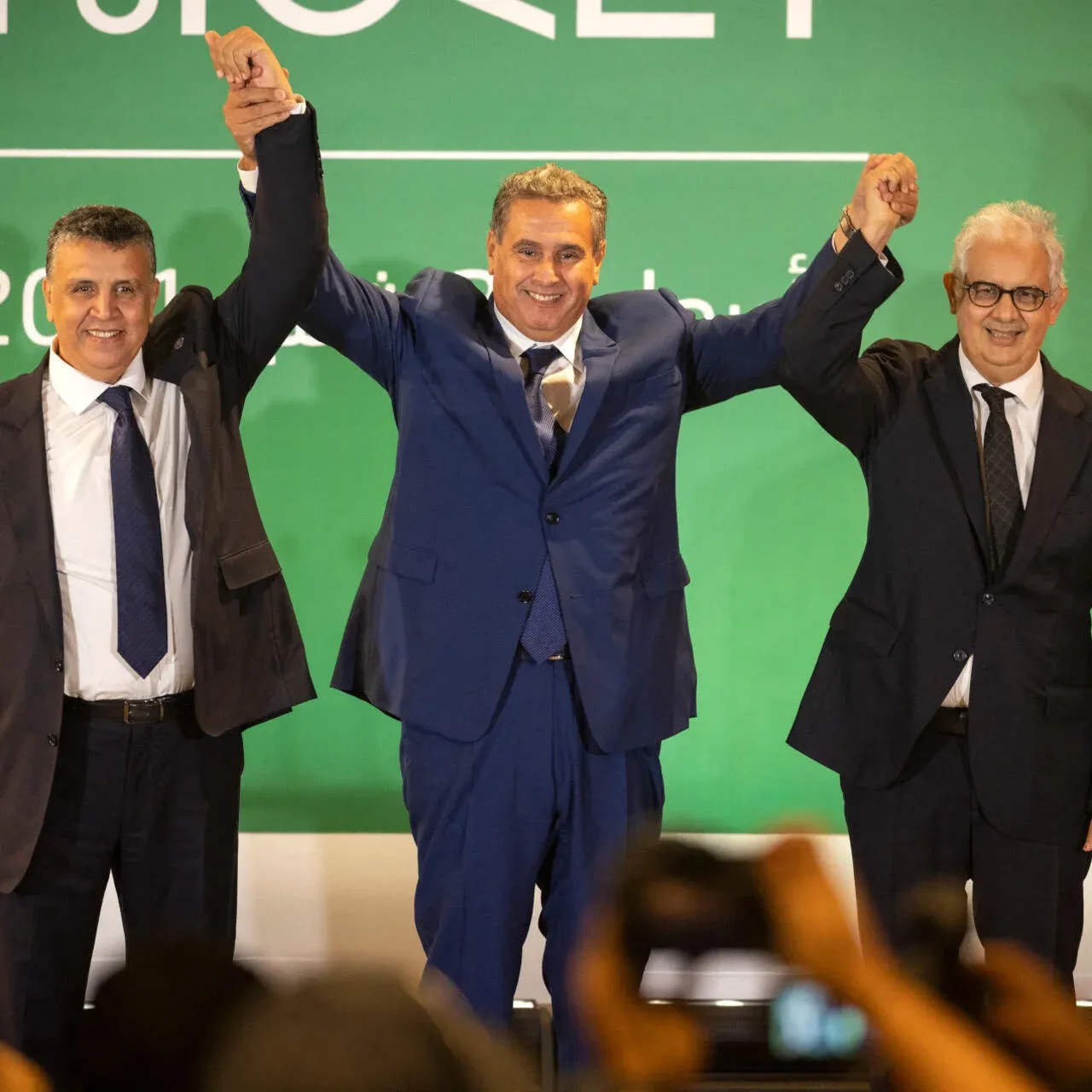
As the Moroccan legislative elections approach in 2026, internal tensions are becoming increasingly evident within the majority coalition led by Aziz Akhannouch. The National Rally of Independents (RNI), represented by Mohamed Aujjar, a prominent member of its political bureau, has publicly criticized its partners, the Authenticity and Modernity Party (PAM) and the Istiqlal Party, accusing them of shirking their governmental responsibilities. This ongoing dispute has reignited a long-standing tradition in Moroccan politics: the practice of criticizing the executive branch while remaining a part of it.
During a recent meeting of the RNI held in Oujda, which was attended by Prime Minister Aziz Akhannouch alongside several party ministers, Aujjar stated that it is "politically unacceptable" for certain ministers to address issues such as inflation and employment as if they are not part of the government. He emphasized that these conflicting positions are difficult to reconcile with the principle of collective responsibility that the government coalition bears as a whole.
A Historical Perspective on Political Criticism
This current discord follows comments made by Fawzi Lekjaa, who accused the RNI of contributing to the erosion of purchasing power among Moroccans and perpetuating a reality characterized by economic disparity. He specifically referenced what he termed the disaster of livestock import subsidies, which failed to stabilize the prices of sheep during the Eid al-Adha celebrations.
Aujjar countered by asserting that discussions regarding inflation cannot be separated from the distribution of governmental responsibilities. He noted that the RNI does not oversee the ministries of industry and trade, or the integration and support of small enterprises and job creation, which are managed by ministers from the Istiqlal and PAM parties respectively.
The tendency to act as an internal opposition while still being part of the government is not new to Moroccan politics. This practice dates back to the early days of the alternation experience. From 1998 to 2000, the Istiqlal Party, under the leadership of Abbas El Fassi, criticized Prime Minister Abdel Rahman El Youssoufi's government, despite being a participant in it. This criticism was particularly directed at the perceived slow pace of reforms, which only subsided following a cabinet reshuffle in September 2000 when El Fassi was appointed Minister of Employment.
Similarly, during the government of Abbas El Fassi from 2007 to 2012, the RNI, led by its then-president Salaheddine Mezouar, frequently voiced concerns about a lack of cohesion and communication among coalition members. In the first term of Abdelilah Benkirane's government, the Istiqlal Party, led by Hamid Chabat, embarked on a campaign of dissent that culminated in its withdrawal from the executive branch in 2013. After a period of relative calm during Benkirane's second government, tensions resurfaced among coalition partners during Saad Eddine El Othmani's administration. From 2017 until the September 8, 2021 elections, the RNI, again led by Akhannouch, adopted a role akin to that of an "internal opposition."
As reported by ar.yabiladi.com.