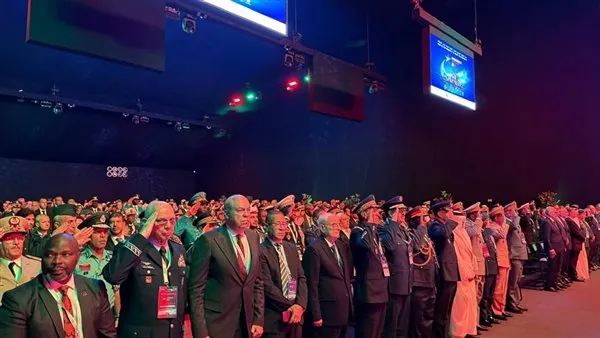
On Friday, Marrakech became the focal point for the tenth session of the International Conference on Human Rights and Electoral Laws, which is centered around the theme "Elections and Human Rights in the Age of Digitalization and Artificial Intelligence." This notable event marks the first time the conference is being held in Morocco, initiated by the National Human Rights Council in collaboration with the Academy for Leadership in Higher Education Training in Mexico. Participants include judges from various countries, experts, officials, representatives from national institutions, electoral bodies, as well as international and regional organizations, alongside academics, researchers, and advocates in the fields of human rights, digitalization, artificial intelligence, and elections.
The choice of this year's theme is particularly relevant given the current regional and international contexts, especially as Morocco prepares to conduct legislative elections in September. The conference aims to continue fostering a multidimensional discussion regarding the transformations occurring within the electoral domain, driven by the rapid advancement of digital technologies and artificial intelligence. It seeks to explore the challenges and stakes related to protecting rights and freedoms while ensuring the integrity and transparency of electoral processes in a digital environment.
Furthermore, the conference aspires to discuss ways to align legal and institutional frameworks with digital transformations, ensuring the protection of personal data, combating misinformation and hate speech, and promoting the responsible and ethical use of artificial intelligence in electoral processes, all while adhering to international human rights standards.
Key topics addressed during the conference include the impact of artificial intelligence and digital technologies on electoral processes; online election observation, balancing challenges and opportunities; electoral disputes and judicial appeals in the digital age; online campaign strategies and AI-driven communication, in addition to algorithmic transparency, cybersecurity, and the protection of privacy and personal data in the electoral context.
The sessions will also showcase comparative experiences and best practices related to the use of technology and artificial intelligence in managing electoral processes, as well as the roles of national human rights institutions, electoral bodies, and digital actors in accompanying these transformations to ensure respect for fundamental rights and freedoms.
This two-day event features contributions from participants across Latin America, Europe, and Morocco, facilitating an exchange of expertise and international experiences regarding the increasing intersections between democracy, elections, human rights, and digital technologies.
As reported by 24saa.com.