Challenges Facing the International Stabilization Mission in Gaza
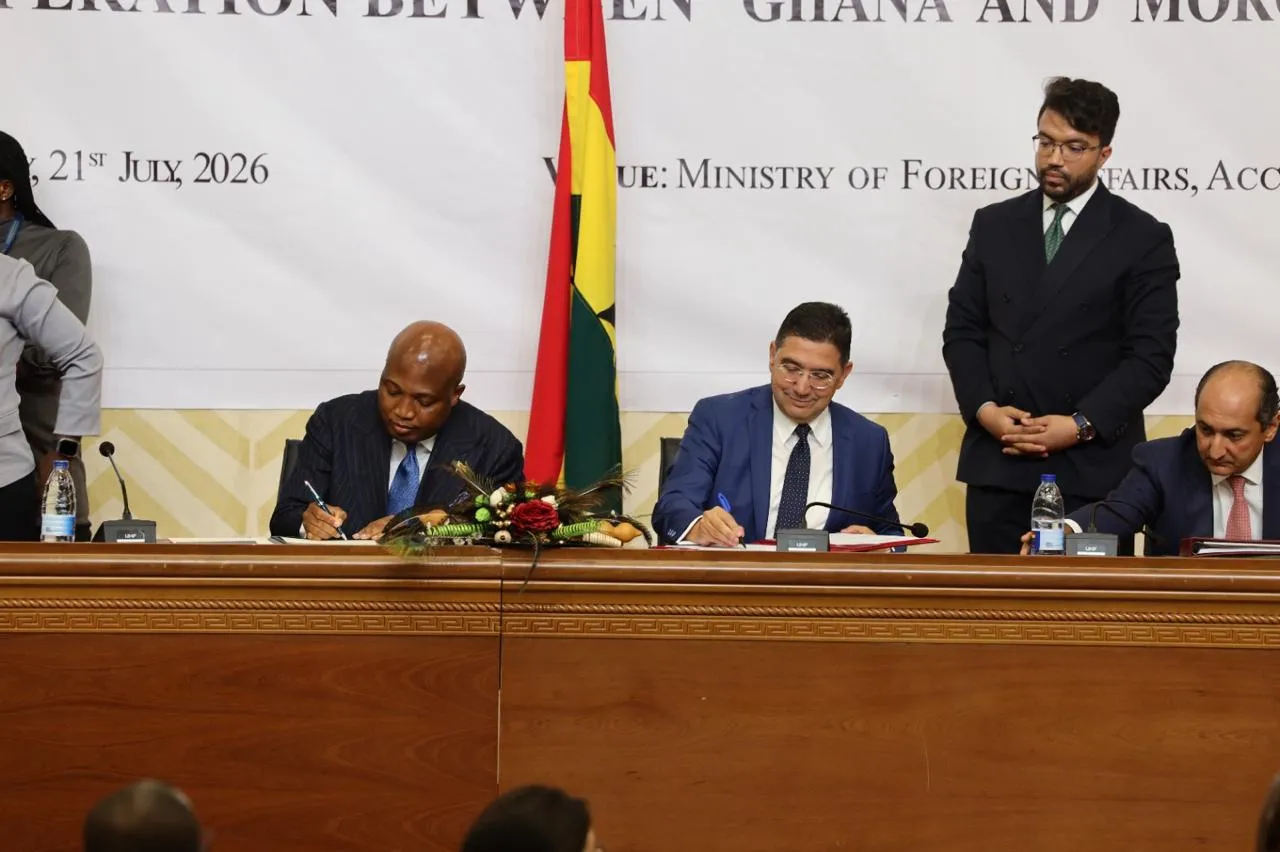
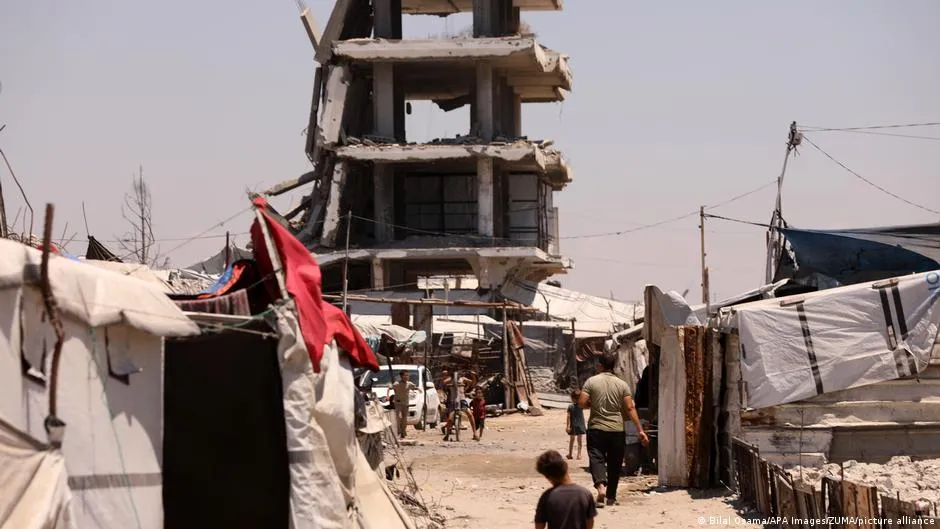
The International Stabilization Mission (ISF) is designed to facilitate the reconstruction of Gaza, yet its implementation remains precarious without a political consensus among Israel, Hamas, and Arab states. Morocco has expressed its intention to participate in this mission by signing the relevant agreement in Rabat, showcasing a commitment to foster a climate of peace and security in the region. This agreement reflects a mutual desire to contribute concrete humanitarian and security measures, as highlighted by a statement from the Defense Administration reported by the Moroccan news agency MAP. The contributions from Morocco are expected to include military personnel, gendarmerie, police forces, and a field hospital, marking the country as one of the few states ready to engage actively in this international security initiative.
However, the prospects of deploying the ISF as initially envisioned remain uncertain. This mission, which is linked to the 'Peace Board' established by former U.S. President Donald Trump, is expected to extend its role beyond merely safeguarding humanitarian aid. It is seen as central to the security policy framework for the anticipated post-war order in Gaza. The primary objectives of the ISF include ensuring reconstruction, protecting aid shipments, and training new Palestinian security forces, with a long-term goal of supporting political transition. Unlike traditional United Nations peacekeeping missions, this initiative will operate outside the usual UN command structures, which makes its political aspirations both ambitious and challenging for Gaza.
Political Stability: A Prerequisite for Success
According to Gil Murciano, executive director of the Israeli Institute for Regional Foreign Affairs, the involvement of international actors presupposes at least a minimal level of political stability. The core issue is not the mission itself but the absence of a political framework within which it can function. Marcus Schneider, head of the Regional Project for Peace and Security in the Middle East with the Friedrich Ebert Foundation based in Beirut, also shares skepticism regarding the mission's likelihood of success. Israel seeks to retain military operational freedom, while potential troop-contributing countries are primarily interested in a traditional peacekeeping mission. These divergent expectations are largely incompatible, making collaboration challenging.
This analysis aligns with the findings of the International Peace Institute (IPI), which emphasizes the need for a stable and legitimate Palestinian administration; without this, the ISF risks becoming just another transitional international project. Israel, Hamas, and Arab states possess differing views on the role the ISF should play. From the Israeli perspective, security remains paramount. The Israeli government has clearly stated that the reconstruction of Gaza cannot commence until Hamas agrees to disarmament, thus linking reconstruction efforts to a political condition that lacks consensus to date.
Furthermore, Schneider argues that the blockade has a more fundamental nature. The involved parties pursue distinct political objectives; while Israel aims to maintain its military operational freedom, many potential troop-contributing countries expect a clearly defined mandate with foreseeable risks. Currently, reconciling these expectations is challenging. The stance of Hamas, designated as a terrorist organization by the U.S. and the EU, complicates planning further. Although Hamas has indicated a willingness to withdraw from Gaza's civil administration, it has so far refused to completely disarm. Consequently, from Israel's viewpoint, a fundamental prerequisite for the mission's deployment is missing, while many international actors contend that reconstruction and political stabilization cannot be deferred until all security issues are clarified.
Additionally, Arab states play a crucial role as they are considered the primary donors for reconstruction efforts and could provide the necessary regional legitimacy for the mission. However, many governments are reluctant to send soldiers and billions in aid to Gaza without a solid political perspective. As a result, Morocco's commitment is seen as a significant signal, yet it does not alter the fact that major regional powers have been hesitant so far. The Arab Center in Washington D.C. also highlights this dilemma, noting that while many Arab states would generally be willing to support Gaza's reconstruction, their participation in an international stabilization mission would only be viable within the framework of a credible political process.
For Murciano, the real challenge lies in this intersection. He asserts that reconstruction itself is a crucial component of security. Separating these two processes risks further entrenching political stagnation. Therefore, it remains uncertain whether the International Stabilization Mission will ever fulfill its intended role. Although the mission is largely designed, it currently lacks the political foundation necessary for its operation. While Morocco's participation indicates that the international approach still garners support, the decision regarding the emergence of an operational stabilization mission will not be made on the battlefield but rather at the negotiation table.
As reported by amp.dw.com.