
Strengthening Morocco's Sovereignty in Western Sahara
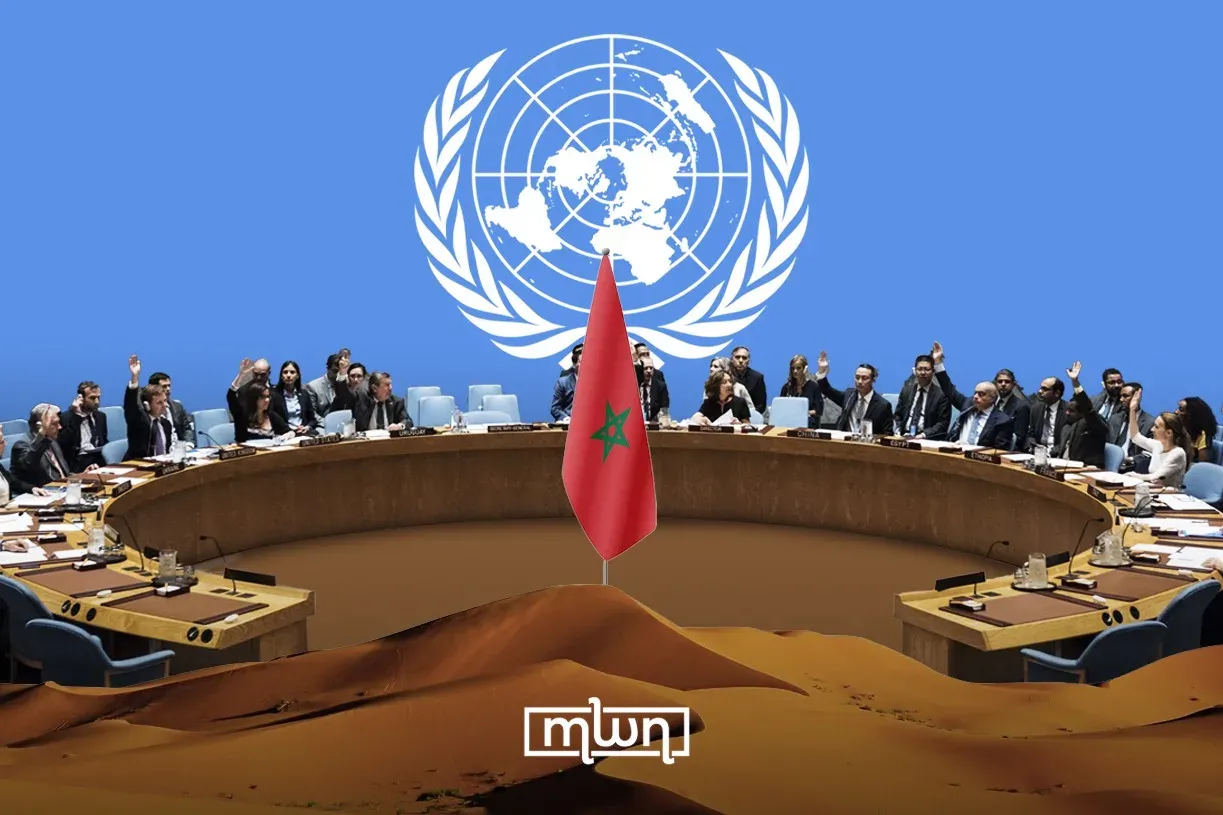
Recently, a coalition of 40 nations has publicly reaffirmed its commitment to Morocco's claim of 'full and complete sovereignty' over its southern provinces, underscoring their support for the Moroccan Autonomy Plan as a viable framework for resolving the ongoing Western Sahara dispute. This significant declaration was made by Morocco's Permanent Representative to the United Nations, Omar Zniber, during the 62nd session of the UN Human Rights Council. The coalition emphasized that the Sahara issue constitutes a political dispute within the jurisdiction of the UN Security Council, asserting that genuine autonomy under Moroccan governance could pave the way for a practical resolution.
Furthermore, these 40 nations voiced their endorsement of UN Security Council Resolution 2797, which was adopted in October 2025. This resolution calls for negotiations between the involved parties, grounded in Morocco's Autonomy Proposal, and aims to achieve a 'just, lasting, and mutually acceptable' political solution. It acknowledges that authentic autonomy could be a feasible outcome, thereby aligning with Morocco's efforts to update and elaborate on its Autonomy Plan.
The statement from this coalition also highlighted Morocco's dedication to facilitating the return and integration of individuals from the Tindouf camps, ensuring equality among all Moroccan citizens. Additionally, the nations expressed their approval of Morocco's collaboration with the UN human rights framework, including the Office of the UN High Commissioner for Human Rights and the special procedures of the Human Rights Council.
Another critical point made by the group is the increasing number of foreign consulates established in Morocco's southern cities, Laayoune and Dakhla. This diplomatic presence is viewed as a mechanism to enhance economic cooperation and investment, thereby fostering development in the region. The coalition asserted that resolving the Western Sahara dispute would significantly contribute to regional integration and developmental progress in both Africa and the Arab world.
Global Endorsements for Morocco's Autonomy Proposal
This affirmation from the Geneva-based coalition comes at a time when Morocco's Autonomy Plan is receiving unprecedented international support, with over 130 countries now backing the initiative. Notable European nations have also lent their endorsement to Rabat’s position. France has characterized the Moroccan plan as a foundational element for a negotiated resolution, asserting that the future of Western Sahara should occur within the context of Moroccan sovereignty. Similarly, the United Kingdom has referred to the plan as the 'most credible, viable, and pragmatic basis' for a sustainable settlement. Denmark recently reaffirmed its support for Morocco's initiative, deeming it a sound foundation for an agreed-upon resolution. Portugal has also expressed its backing for the plan, alongside Spain's continued support for Morocco’s approach.
In conjunction with these diplomatic developments, Morocco has bolstered its diplomatic footprint in the region, with more than 30 foreign consulates now operating in Laayoune and Dakhla. This visible increase in international representation signals a growing engagement from various countries with Morocco’s southern provinces. The strengthening of Morocco’s diplomatic position has become particularly pronounced following the adoption of Resolution 2797, which established Morocco's Autonomy Proposal as the cornerstone for UN-led negotiations. The increasing international backing for Morocco stands in stark contrast to the increasingly isolated stance of Algeria and the Polisario Front, thereby enhancing Rabat's diplomatic leverage.
As reported by moroccoworldnews.com.