
Rising Support for Morocco's Autonomy Plan
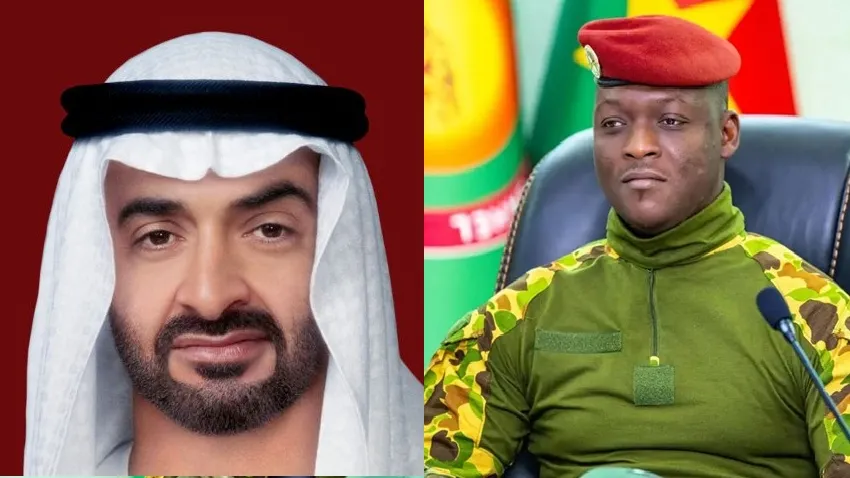
In recent discussions at the United Nations General Assembly, there has been a notable increase in international support for Morocco's autonomy initiative concerning the disputed Western Sahara territory. Delegations from Burkina Faso, which is backed by Russia, and the United Arab Emirates have publicly expressed their alignment with Morocco's proposal, framing it as the most viable solution to resolve the ongoing regional conflict. This endorsement signifies a shift in diplomatic dynamics, as both countries described the autonomy initiative as a pivotal step towards achieving a sustainable political resolution.
During the assembly, Burkina Faso’s Foreign Affairs Minister, Karamoko Jean-Marie Traoré, reiterated his country's dedication to the UN-led negotiation process, emphasizing the importance of continued dialogue aimed at reaching a mutually agreeable political solution, in line with relevant Security Council resolutions. The UAE similarly reaffirmed its commitment to Morocco's territorial integrity, underscoring the autonomy proposal as essential for establishing a lasting political framework. This coalition of support extends beyond these two nations, with a broad array of countries, including the United States, Senegal, Armenia, and Chile, voicing their backing for Morocco's stance.
Algeria's Opposition and Support for the Polisario Front
Contrasting sharply with this growing international consensus, Algeria continues to oppose the UN-backed autonomy plan and remains a staunch ally of the separatist Polisario Front. At the UN General Assembly, Algerian Foreign Affairs Minister Ahmed Attaf reaffirmed Algeria’s support for the Polisario Front's aspirations for self-determination. Attaf articulated Algeria's position, insisting that issues of decolonization must not be resolved through unilateral decisions, but rather through comprehensive dialogue that respects the rights of the affected populations. Despite Algeria's insistence on direct negotiations between Morocco and the Polisario Front, UN Security Council Resolution 2797 recognizes the autonomy initiative as the foundational basis for any discussions moving forward.
The geopolitical landscape surrounding the Western Sahara conflict continues to evolve, with various nations navigating their interests and alliances in a complex regional context. The increasing support for Morocco’s plan indicates a potential shift in diplomatic relations, as more countries recognize the autonomy proposal as a legitimate pathway to resolving one of Africa's most enduring territorial disputes. Meanwhile, Algeria's firm stance alongside the Polisario Front highlights the challenges that remain in achieving a consensus that could lead to lasting peace in the region.
As reported by africa.businessinsider.com.