
Strengthening Law Enforcement Training in Casablanca
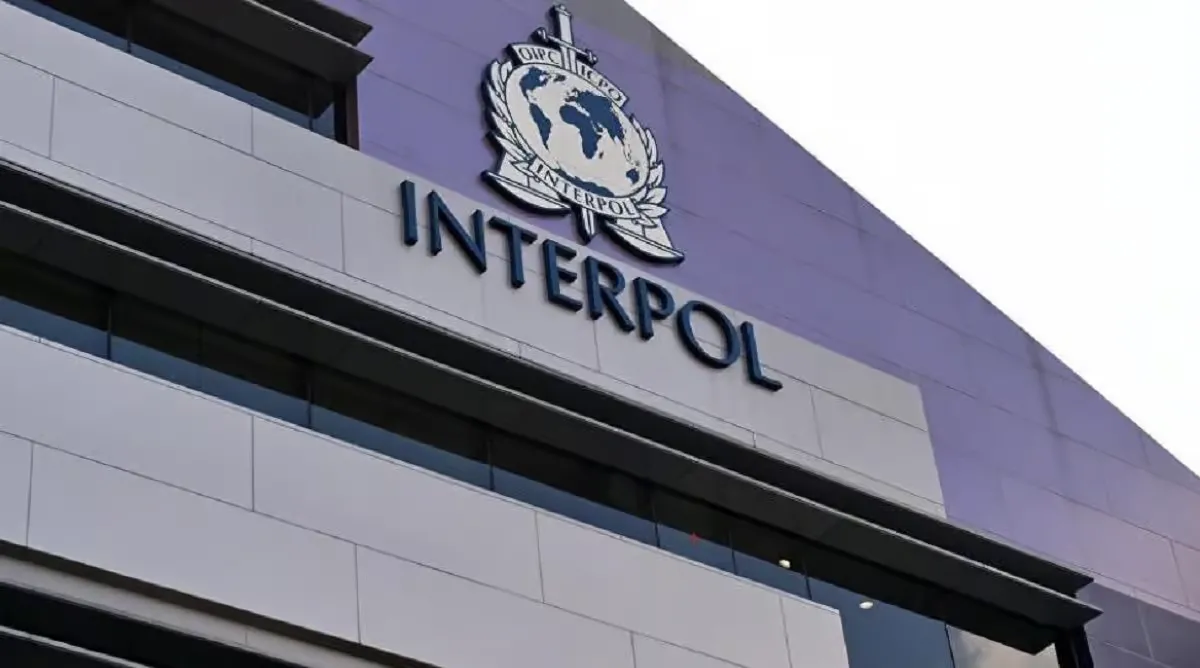
From August 24 to 28, 2026, Casablanca hosted a significant training session aimed at enhancing the skills of law enforcement trainers in combating human trafficking and migrant smuggling. This initiative was organized by the International Criminal Police Organization, commonly known as Interpol, as part of the "HIMAYA" project, with financial support from the European Union. This training brought together officials from the General Directorate of National Security (DGSN) and representatives from Tunisia, including personnel from national central bureaus and specialized units focused on tackling human trafficking and related offenses.
The training was not only centered around operational knowledge concerning these two forms of crime but was also primarily focused on the engineering of training programs for law enforcement. Participants received instruction on the various stages involved in designing an educational curriculum, which spanned from identifying training needs to evaluating learning outcomes. This comprehensive approach aimed to enhance the capabilities of concerned services to convey knowledge that is tailored to the realities they face in the field.
Building Institutional and Human Capacity
A practical dimension was also incorporated into the program, where participants were tasked with developing and presenting training modules to refine their skills in guidance, facilitation, and knowledge transfer. The goal of these activities was to align educational content more closely with the professional needs of services tasked with combating criminal phenomena such as human trafficking and migrant smuggling. Conducting this session in Casablanca reflects a collaborative effort between Moroccan and Tunisian security actors, supported by Interpol and the European Union, as part of the broader "HIMAYA" project, which aims to strengthen the institutional and human capacities of law enforcement agencies confronting these serious crimes.
Both human trafficking and migrant smuggling are forms of transnational organized crime that require enhanced coordination among relevant services and regular exchanges of expertise among the countries involved. Through such initiatives, the project aims to bolster cooperation mechanisms and improve the preparedness of personnel who are called upon to intervene in this critical area.
As reported by lebrief.ma.