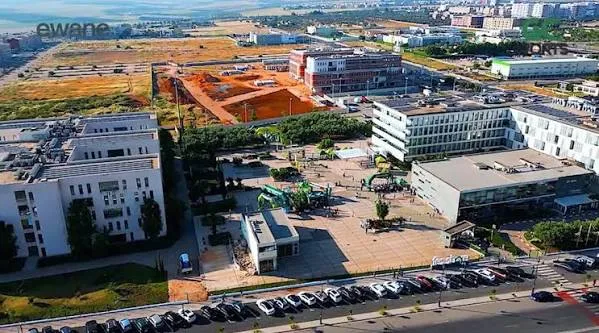
The announcement by the Regional Investment Center of Fes-Meknes regarding the launch of a new package of financial incentives for companies looking to establish themselves in the "Fes Shore" complex has rekindled an age-old debate that resurfaces every year: Are government grants and public support truly capable of fostering development and generating wealth, or have they merely become mechanisms to attract companies that benefit from these privileges and then leave without leaving a significant economic impact that matches the public funds allocated to them?
The Regional Investment Center has declared grants that can reach up to two million dirhams for the preparation of company headquarters, in addition to direct support amounting to 6,000 dirhams for every job created and maintained for a duration of 24 months. This initiative includes administrative and real estate support through a one-stop shop, aiming to market the region as a destination for investment in outsourcing services and the digital economy. However, the pressing question remains: What tangible results have been achieved since the launch of the "Fes Shore" project several years ago?
Economic Reality vs. Promises
Despite the continuous flow of official announcements praising the attractiveness of investment in the region, the economic and social indicators within Fes-Meknes continue to fall short of the aspirations that accompanied the launch of this initiative. The region still grapples with high unemployment rates, particularly among youth and university graduates, while thousands of graduates leave annually for Rabat, Casablanca, or even abroad in search of more stable and better-paying job opportunities. This raises questions about the current model's ability to retain the human capital that the region boasts.
One of the most significant criticisms directed at the current incentive policy is its focus on attracting large foreign companies by offering them substantial financial, logistical, and real estate advantages while local small and medium enterprises (SMEs) face challenges in financing, cumbersome procedures, and a lack of equal support. While millions of dirhams are allocated to prepare headquarters for international companies, many local investors complain about difficulties in accessing economic real estate, high financing costs, and prolonged administrative processes. This creates an impression of disparities in the benefits derived from the incentive system. It is not about rejecting foreign investment but raising the question of how to achieve a balance between attracting external capital and strengthening the local entrepreneurial fabric as a real guarantee for sustainable development and wealth creation in the region.
Public Funds and Their Real Returns
Another critical question is the effectiveness of linking public support to job retention for just two years. Many economic experts argue that evaluating the success of incentive programs should not be limited to the number of established companies or jobs created at the outset; it should also encompass the sustainability of these positions, the continued investment by companies after the support periods end, and their contributions to knowledge transfer, local skill development, and increasing the added value of the regional economy. Furthermore, these experts call for the publication of periodic reports that clarify to the public the value of grants received by each company, the actual number of jobs created, their retention rates, and compliance with contractual obligations, thereby enhancing transparency and accountability.
Fes-Meknes is endowed with exceptional potential; it includes one of the largest populations in the kingdom, universities and higher institutes graduating thousands of skilled professionals each year, a strategic geographical location, and a network of roads, railways, and an international airport. However, transforming these potentials into real economic power requires, according to many economic stakeholders, moving beyond the logic of attracting low added-value investments and transitioning to a new model that supports innovation, encourages technological industries, connects universities with businesses, strengthens local startups, and attracts industrial and digital projects capable of creating stable and high-skilled jobs.
Ultimately, the success of any investment policy should not be measured solely by the volume of financial grants announced or the number of agreements signed, but rather by the tangible impact it has on the lives of citizens. Today, the youth of Fes-Meknes are looking for more than just new promises or additional incentives; they seek an economy capable of creating stable job opportunities, dignified wages, and investments that transfer knowledge and build wealth within the region, instead of merely attracting projects that benefit from privileges, leaving the lingering question after years: Where is the true impact of these public funds?
As reported by fes24.com.