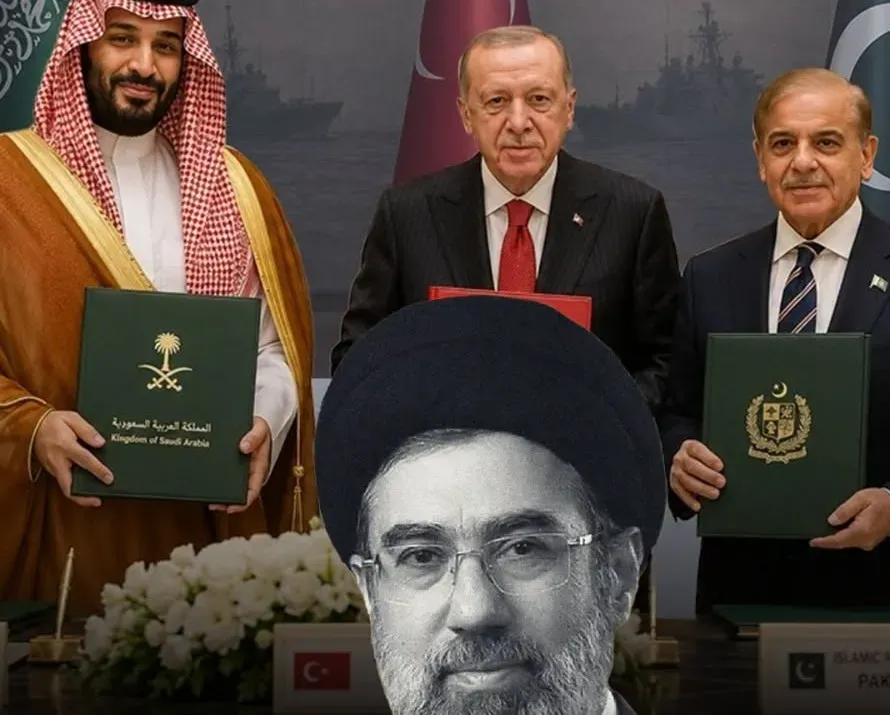

Iran's Response to Regional Alliances and Economic Pressures
On September 1, 2026, Iran has intensified its rhetoric against the United States and European nations amid ongoing economic and military pressures faced by Tehran. The Iranian government perceives the compliance of European nations with American sanctions as a violation of international law, asserting that these punitive measures contradict the principles of human rights. In the realm of nuclear affairs, Iran firmly denied any nuclear activity at the Mount Faz site, emphasizing its ongoing communication with the International Atomic Energy Agency (IAEA), while clarifying that there are currently no direct negotiations taking place.
Iran has articulated that the continuation of what it describes as American maritime blockades and economic warfare propels the nation to prioritize the enhancement of its defensive capabilities and to pursue what it terms "resistance." This stance comes against a backdrop of rising economic pressures, marked by escalating inflation rates and declining foreign trade.
Iran's Position on the New Defense Pact
In a notable development, Tehran has downplayed concerns regarding the recent defense agreement signed by Saudi Arabia, Turkey, and Pakistan in Mecca. Iranian officials have stated that they do not view this pact as a direct threat to their security or as a move against Iran. The three nations formalized the "Mecca Agreement for Collective Defense" on August 7, which stipulates that any armed attack against one of the signatories will be regarded as an attack against all three. Pakistan has reiterated that the agreement is purely defensive and not aimed at any specific country.
This Iranian stance comes despite the fact that the three countries are actively taking steps to implement the agreement, having convened their inaugural political and strategic defense committee meeting in Istanbul on August 31. The discussions underscored a commitment to continued collaboration in defense and security domains. Iran’s position seems to reflect a desire to avoid escalating tensions with Turkey, Saudi Arabia, and Pakistan, especially given the mounting pressures Tehran faces from the U.S. and its allies, while regional nations are in the process of restructuring their security and defense frameworks.
As reported by sawaleif.com.