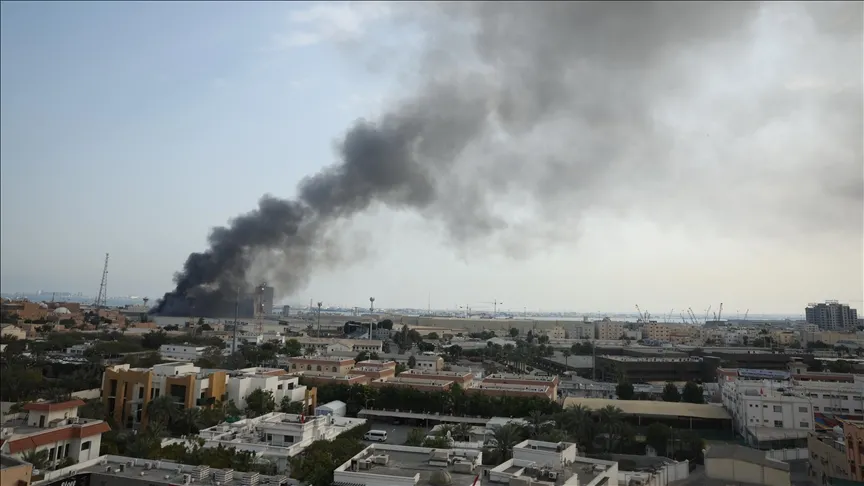
On March 24, Iran escalated its pattern of indiscriminate attacks targeting civilian sites in the Gulf region, resulting in the tragic death of a Moroccan national in Bahrain. The victim, who was serving as a contractor with the UAE military, lost his life amid a backdrop of escalating hostilities, despite both Bahrain and the UAE not formally declaring war on Iran. This incident underscores the perilous environment created by Iranian missiles and drones, which continue to threaten the safety of those in the region.
The UAE's defense ministry promptly condemned the attack, noting that it also left three of its armed forces members injured. In a display of support, Emirati officials expressed their heartfelt condolences to the family of the deceased, referring to the victim as a 'martyr' and extending their sympathy during this difficult time. This incident has drawn condemnation from Morocco as well, which has reiterated its solidarity with fellow Arab nations in the face of Iranian aggression.
Amid these tensions, analysts are observing significant shifts within the geopolitical landscape. A critical leadership collapse in Tehran is causing strategic reverberations throughout North Africa, presenting what expert Amine Ayoub describes as a potential existential challenge for Algeria. In an op-ed featured in The Times of Israel, Ayoub articulates that the destabilization of Iran strips away a crucial diplomatic and ideological support system that Algeria has historically relied upon, raising concerns about the future stability of the region.
As reported by northafricapost.com.