
In a significant diplomatic development, Israel and Morocco have reached an agreement to elevate their diplomatic relations by exchanging ambassadors and establishing full embassies for the first time. This pivotal decision comes nearly six years after the two nations rekindled their diplomatic ties through a normalization deal supported by the United States. The announcement was made during a meeting in New York attended by US Ambassador to the UN Mike Waltz, Israeli Foreign Minister Gideon Saar, and Moroccan Foreign Minister Nasser Bourita, coinciding with the UN General Assembly proceedings.
A joint statement released post-meeting highlighted the mutual commitment of Israel and Morocco to the principles enshrined in the Abraham Accords, emphasizing their agreement to upgrade their diplomatic missions to full embassies and to formally exchange ambassadors. The Abraham Accords represent a series of US-mediated agreements initiated in 2020, which facilitated the establishment of diplomatic relations between Israel and several Arab nations. Morocco's agreement, announced in December 2020, was also linked to the US's recognition of Moroccan sovereignty over Western Sahara.
Historically, Morocco and Israel had initiated low-level diplomatic relations back in 1994; however, these ties were suspended in 2000 during the second intifada, with both nations opting to maintain liaison offices instead of full diplomatic missions. The relationship was revitalized in 2020, yet until now, they have only operated at a liaison level. This recent agreement marks a substantial shift towards deeper diplomatic engagement.
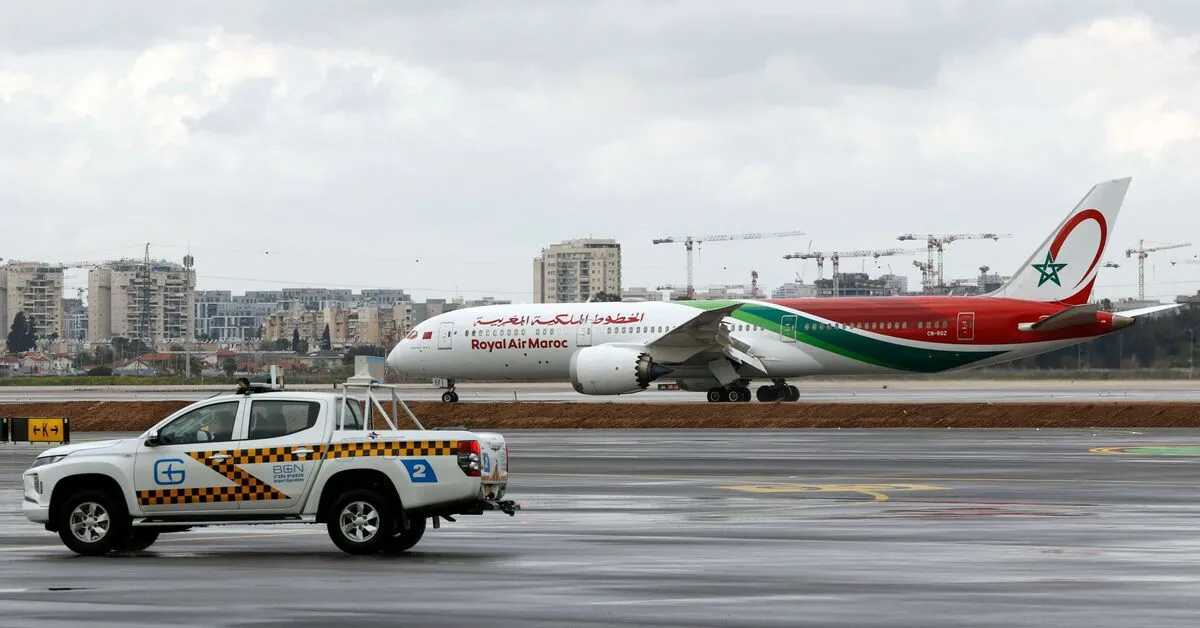
Additionally, the two countries have committed to finalizing agreements related to investment protection and the avoidance of double taxation, alongside taking requisite actions to restore direct flights between Morocco and Israel by the end of 2026. In recent years, direct commercial flights have been limited, particularly following the suspension of Royal Air Maroc's direct service from Casablanca to Tel Aviv post the October 7, 2023 attack by Hamas and the ensuing Israeli military response in Gaza. While Israeli airlines have continued to operate some seasonal flights, regular direct connections from Rabat or Casablanca to Tel Aviv remain nonexistent.
The joint statement further affirmed the recognition of Morocco's sovereignty over the entirety of Western Sahara and reiterated support for Morocco's autonomy proposal, which is considered serious and credible. The territorial dispute has persisted since Spain's withdrawal in 1975, with Morocco controlling most of the area while the Polisario Front, an independence movement backed by Algeria, has engaged in conflict. Despite a UN-backed ceasefire in 1991, tensions remain high, especially following Algeria and Morocco's severing of diplomatic relations in 2021 due to escalating issues surrounding Western Sahara. In a notable move, Israel recognized Moroccan sovereignty over the region in July 2023.
As reported by al-monitor.com.