
Israel's Defense Pavilion at Marrakech: A Symbol of Enhanced Military Cooperation
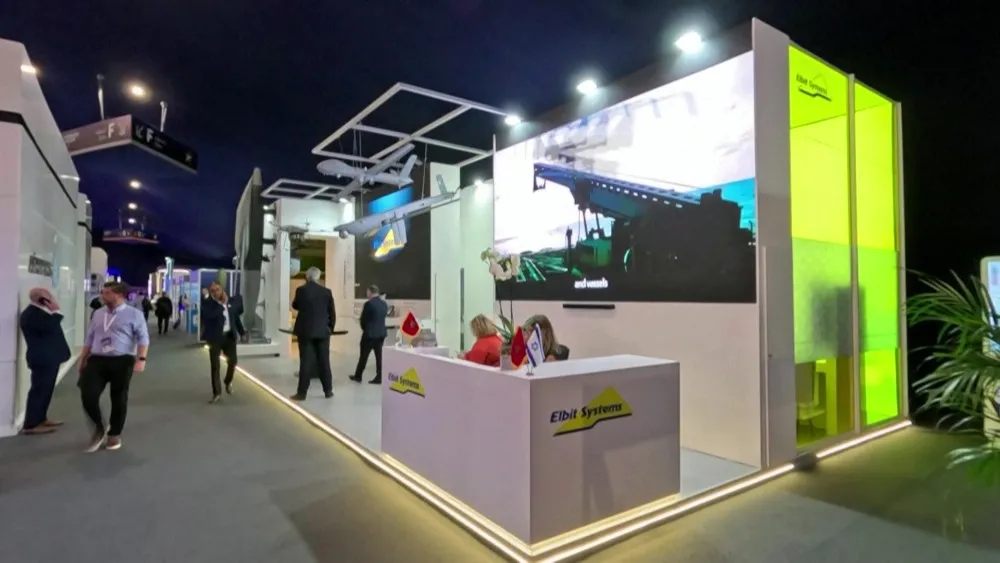
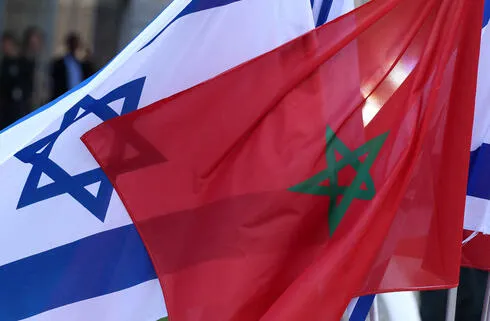
The Marrakech Air Show recently marked a significant milestone in the evolving military relationship between Israel and Morocco. As Israel inaugurated its first official national defense pavilion at this prominent Moroccan defense exhibition, the event showcased not only the deepening ties between the two nations but also Morocco's ambitious plans to boost its local production capabilities of Israeli-designed weapons systems. This strategic shift from merely purchasing arms to developing indigenous manufacturing capabilities signifies a major step forward in the security collaboration initiated through the 2020 Abraham Accords.
Under the auspices of SIBAT, the Defense International Cooperation Directorate of the Israeli Ministry of Defense, a high-profile delegation, including top military officials and executives from leading defense firms, attended this landmark event. The presence of key figures, such as SIBAT Director Brig. Gen. (res.) Yair Kulas and Rafael CEO Yoav Tourgeman, alongside Moroccan defense officials, underscored the commitment to expanding military cooperation. Since the normalization of relations in 2020 and the subsequent defense cooperation agreement in 2021, the partnership has evolved, encompassing not just arms sales but also technical collaboration and industrial projects.
Morocco's Defense Industry: A New Era of Local Manufacturing
The establishment of the Moroccan Military Industry (MMI) emphasizes Rabat's objective to not only acquire advanced military systems but also to assemble and manufacture select equipment domestically. This initiative aims to reduce dependence on external suppliers and enhance Morocco's defense autonomy. However, the actual extent of local manufacturing and the degree of technological expertise gained will be closely monitored, as they will determine the efficacy of this new strategy. MMI's facilities, including a weapons systems plant in Casablanca and an ammunition project in Sidi Yahya, are pivotal in establishing a robust defense industrial base. While reports on the current production scale at these sites vary, the company's commitment to employing a predominantly Moroccan workforce is a promising indicator of local engagement.
Looking ahead, MMI plans to commence deliveries of turrets for Tata 8x8 armored vehicles by March 2027, signaling a concrete timeline for its manufacturing ambitions. Additionally, MMI is innovating within the realm of anti-drone technology, developing systems designed to intercept drones using advanced radar and 30 mm ammunition. This initiative aims to provide a cost-effective alternative to missile defenses, although it remains in the developmental phase. Furthermore, the company anticipates exporting to a European NATO member, highlighting the potential for Morocco to position itself as a player in regional defense markets.
As the geopolitical landscape continues to evolve, it is imperative for Morocco to strengthen its defense capabilities, especially in light of the persistent threats from insurgent activities in the Sahel and ongoing tensions with Algeria. The utilization of surveillance drones and advanced monitoring systems is expected to enhance Morocco's border security and situational awareness. The implications of these developments extend beyond immediate security needs; they offer a glimpse into the future of Morocco’s defense posture, which may increasingly rely on indigenous capabilities and partnerships.
The success of this military collaboration will hinge on Morocco's ability to maintain and integrate the technologies acquired from Israel, as well as the reliability of the production and delivery of defense materials. The true measure of success will be reflected not only in the financial aspects of these contracts but also in the establishment of a self-sustaining defense industry. Should Morocco fulfill its ambitious defense goals, the outcomes of the Marrakech Air Show might indeed lead to a more substantial and strategic partnership, transcending the symbolic gestures of diplomacy.
As reported by ynetnews.com.