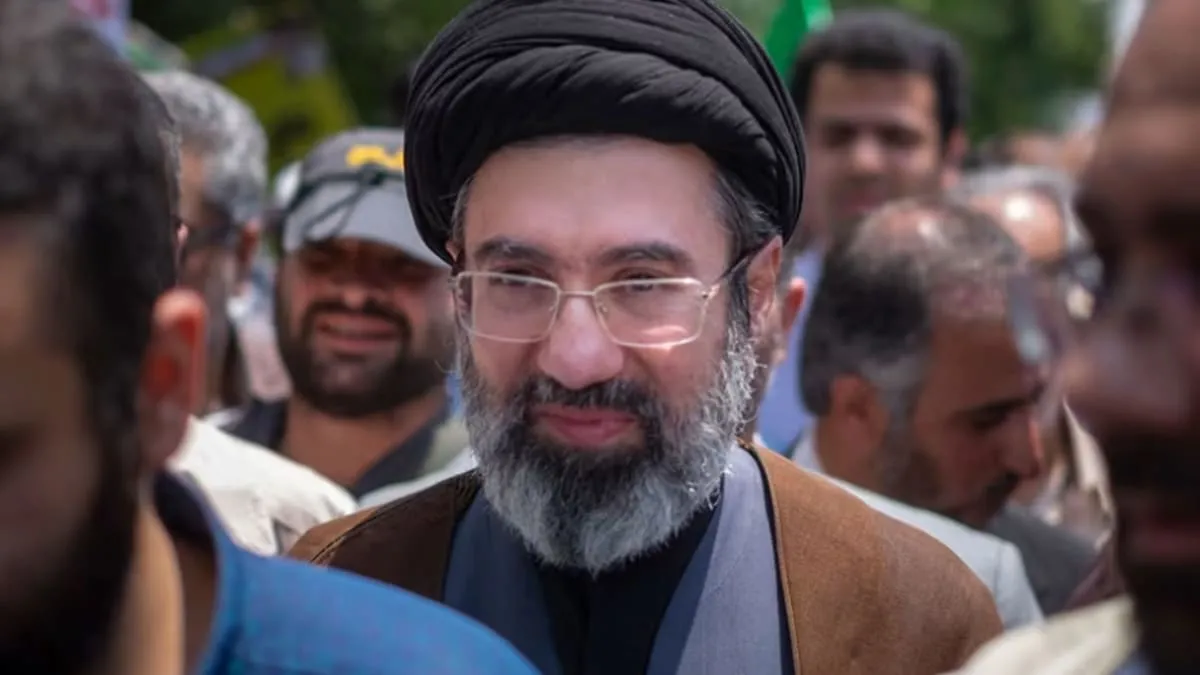

A senior Israeli official recently disclosed to Reuters that an assessment from Israeli intelligence indicates that Mojtaba Khamenei, who has been chosen as the new Supreme Leader of Iran, sustained minor injuries from the recent Israeli-American airstrikes. This incident may shed light on his absence from public appearances in recent times, raising questions about his health and capability to lead.
According to the same intelligence data, the Iranian Revolutionary Guard has backed Mojtaba Khamenei's appointment, viewing him as a potentially more flexible leader compared to his father, Ali Khamenei. This perception suggests that he may continue the conservative policies advocated by this military institution, which has been a significant force in Iranian politics.
On a different note, the agency reported insights from three high-ranking Iranian sources, including a former reformist official and an insider familiar with internal affairs. They indicated that Mojtaba Khamenei’s ascension to this position could result in the adoption of more hardline stances externally, alongside an intensified security grip domestically. This shift could have substantial implications for Iran's foreign policy and internal governance, potentially leading to increased tensions both in the region and within the country itself.
As reported by journal24.ma.