
Investigation into Claims of Desecration in Southern Lebanon
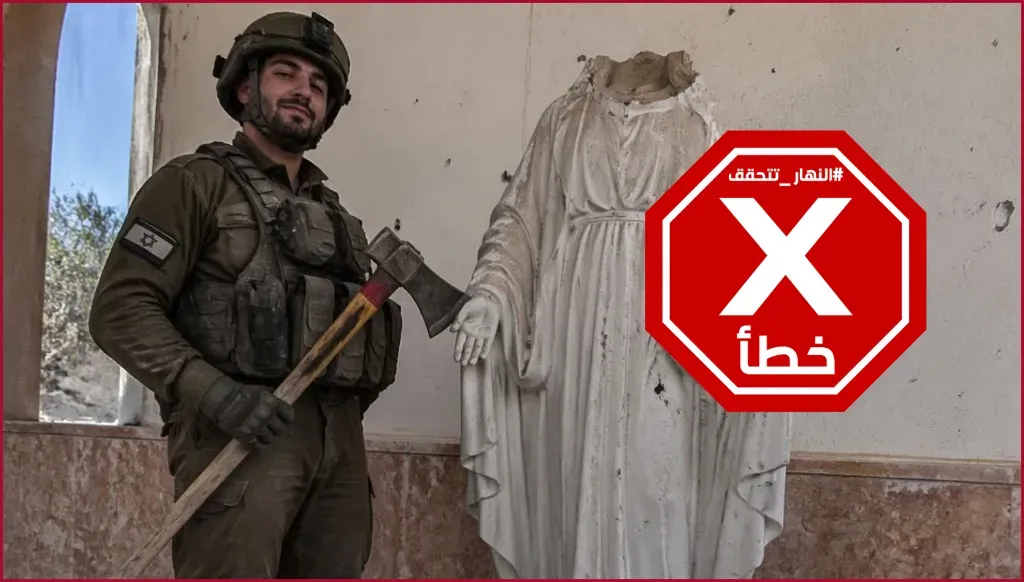
The recent allegations surrounding an Israeli soldier decapitating a statue of the Virgin Mary in southern Lebanon have sparked significant outrage and concern across social media platforms. This claim, which has rapidly circulated, has raised questions about its authenticity and the circumstances under which such an act could have occurred. To address these concerns, a thorough fact-checking process is underway to verify the details surrounding this incident.
Reports suggest that this incident is not an isolated occurrence but rather part of a broader narrative often used in regional conflicts to amplify tensions. This specific allegation adds to the ongoing discourse regarding the interactions between Israeli forces and Lebanese communities, particularly in sensitive areas where religious symbols hold significant cultural and spiritual value. The potential implications of such acts could be profound, stirring local and international reactions that could escalate existing conflicts.
Context and Historical Background
Understanding the backdrop of this event is crucial. The relationship between Israel and Lebanon has been fraught with tension, particularly in regions that have seen military engagements and civilian unrest. Statues and religious symbols often become focal points in these conflicts, representing not only cultural heritage but also emotional and spiritual connections for local populations. Any reported desecration of such symbols can, therefore, lead to widespread condemnation and mobilization of community sentiments.
As the investigation continues, it remains essential for observers to approach such claims critically, recognizing the potential for misinformation to perpetuate cycles of violence and misunderstanding. Accurate reporting and verification are paramount in ensuring that the narrative surrounding this incident does not further inflame tensions in an already volatile region.
As reported by annahar.com.