
Resumption of Travel Between Israel and Morocco
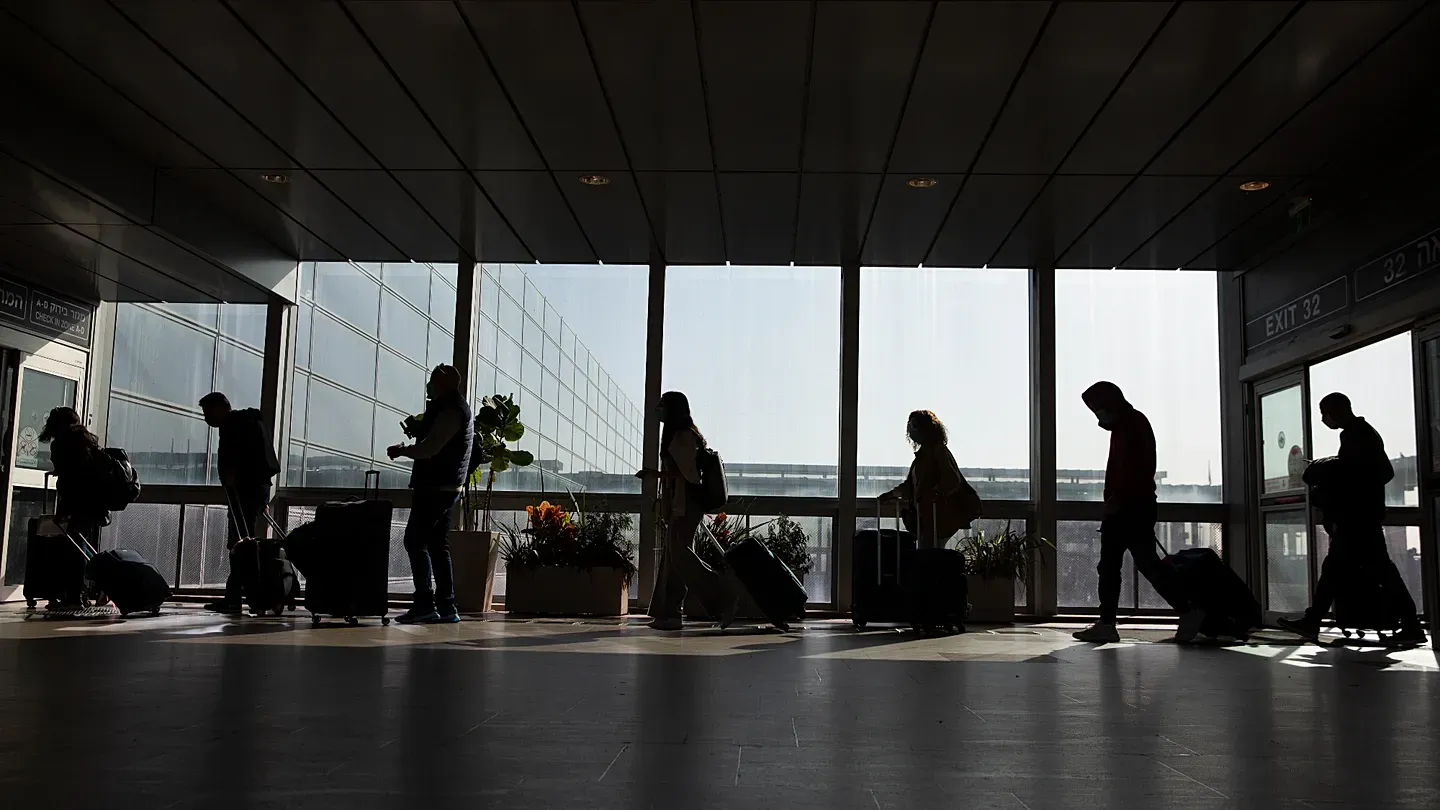
After a nearly three-year hiatus, Israeli travelers have begun to return to Morocco, coinciding with the resumption of direct flights between the two countries. This renewal of travel comes at a time when interest from Israeli travel companies in Morocco is noticeably revived, driven by the nation's unique blend of traditional tourism and its rich historical connections to Jewish heritage.
In August 2026, direct flights were reinstated from Ben Gurion Airport to Marrakech, marking the first air service to resume since Israeli airlines halted operations to Morocco following the events of October 7, 2023. According to a report published by the "Times of Israel" on September 16, 2026, the demand for flights has surged rapidly, despite ongoing Israeli travel warnings designating Morocco at a level three, which advises heightened caution in certain areas.
Prior to the abrupt decline in travel, Morocco welcomed up to 200,000 Israeli visitors in the year leading up to the October 7 attack. The cessation of travel had a significant impact, as Morocco had been a favored destination for Israeli tourists. The normalization of diplomatic relations between Morocco and Israel in December 2020 under the U.S.-brokered Abraham Accords facilitated direct flights for the first time, eliminating the need for travelers to connect through other countries.
Jewish Heritage Tourism on the Rise
With the resumption of flights, travel agencies and tour operators are observing a renewed interest in Morocco, particularly among travelers seeking locations associated with the country's Jewish history. Jamal Ben Kiran, a tour guide in Marrakech who has previously accompanied Israeli groups, noted that Israelis are "beginning to return again," highlighting the presence of numerous Jewish cemeteries and synagogues, as well as the availability of halal food in major Moroccan cities.
Organized tours are seeing a particular spike in demand during the fall and early winter seasons, according to the CEO of "Ishit Tours." Among these offerings are what are referred to as "roots trips," specifically targeting Israelis of Moroccan descent who wish to visit cities and regions tied to their family histories. Estimates suggest that there are approximately one million Israelis of Moroccan heritage, providing a substantial potential base for this niche market.
Marrakech is home to several prominent sites linked to Jewish heritage in Morocco. However, the historical significance extends beyond Marrakech. The city of Fez, known for its association with the medieval Jewish philosopher Maimonides and Talmudic commentator Isaac al-Fasi, also contains key locations related to Jewish history in Morocco. Meanwhile, Rabat features sites associated with the Jewish community, and Casablanca, although having a relatively newer Jewish presence compared to Marrakech and Fez, currently boasts the largest Jewish community in the Arab world, with an estimated population of between one and two thousand individuals, alongside active synagogues and schools.
Despite the ongoing level three travel advisory for Morocco, which advises caution in northern and central regions and discourages non-essential travel to the south, travel sector officials believe that the main tourist routes can be effectively managed from a security standpoint. Opinions, however, vary regarding the assessment of risk levels.
It is worth noting that Morocco has witnessed protests concerning its relations with Israel in recent years, including demonstrations at the port of Tangier-Mediterranean against the docking of a Maersk vessel, amid suspicions that it was transporting aircraft parts destined for Israel.
As reported by arabic.euronews.com.