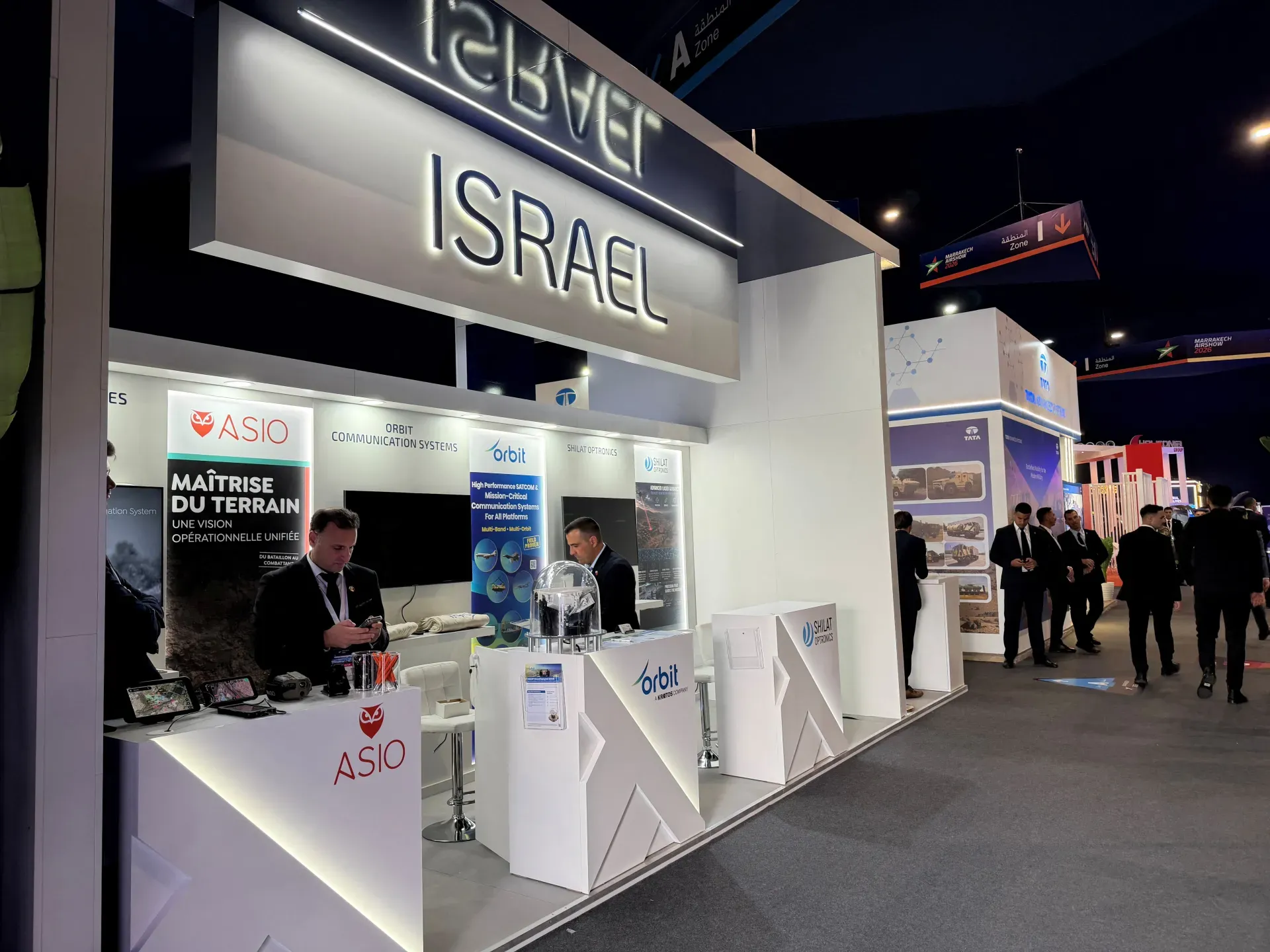

In a groundbreaking move, Israel has inaugurated its first national pavilion at the Marrakech Air Show, showcasing its advanced military technologies and marking a significant milestone in its defense relations with Morocco. This participation, as announced by Israel's Ministry of Defence, represents the nation's inaugural involvement in a defense exhibition in Morocco, particularly noteworthy following the signing of the Abraham Accords. The event, which runs from October 7 to October 10, 2026, at the Marrakech Royal Moroccan Air Force Base, provides a platform for both civil and military aeronautics and space industries to present their latest innovations.
According to the Ministry of Defence, eight prominent Israeli defense companies are displaying their advanced, combat-proven technologies during this exhibition. Notably, Israel's leading defense industries, including Elbit Systems, Israel Aerospace Industries (IAI), and Rafael, have taken part, presenting solutions across a diverse spectrum of domains including air, land, sea, space, intelligence, cyber, and digital sectors. This showcase underscores not only the technological prowess of Israeli defense firms but also the strengthening ties between Israel and Morocco.
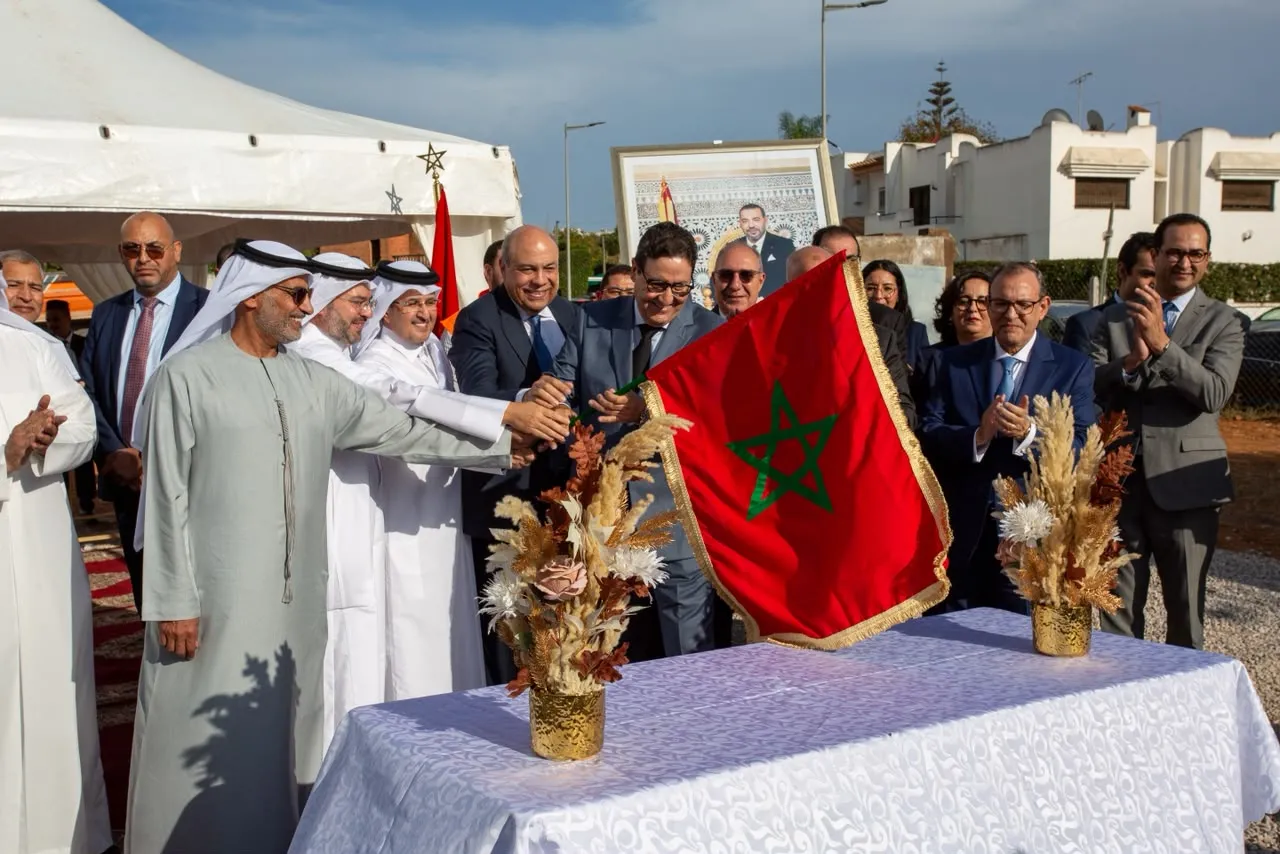
The recent upgrade of diplomatic ties between the two nations further contextualizes this event. Following a significant meeting between the foreign ministers of Israel and Morocco, facilitated by the U.S. ambassador to the United Nations, both countries agreed to enhance their diplomatic missions and appoint ambassadors. Additionally, they have committed to expanding air travel, reinstating direct flights, and planning high-level bilateral visits in the near future. This burgeoning relationship comes at a time when Morocco has also pledged to contribute troops to the Gaza region as part of the U.S.-backed International Stabilization Force, highlighting its role in regional stability efforts.
However, public sentiment in Morocco reveals a stark contrast to the government's diplomatic moves. Protests have erupted, reflecting widespread opposition to the normalization of relations with Israel amidst the backdrop of increasing ties. Moreover, concerns about surveillance practices have emerged, with reports indicating the use of spyware and hidden microphones targeting journalists and activists. As the situation evolves, the balance between governmental diplomacy and public opinion continues to be a critical factor in the future of Israeli-Moroccan relations.
As reported by aljazeera.com.