
Exploring the Challenges Facing Jdida's Beaches
The coastal region of Jdida, once a vibrant summer destination for many Moroccans, is currently undergoing significant transformations that have raised concerns about its appeal and competitiveness in the tourism sector. In a series of investigative reports, we aim to dissect the realities surrounding Jdida’s coastline, highlighting both its strengths and weaknesses, while also examining the factors contributing to the stagnation of several projects against the backdrop of a few beaches that have managed to solidify their place on the national tourism map.
Today, the competition in the tourism industry is no longer solely dictated by the beauty of natural landscapes; the quality of services, the ability of cities to provide clean and safe environments, modern infrastructure, cultural and entertainment offerings, efficient transportation systems, and a commitment to environmental respect have become paramount. These elements are increasingly shaping the choices of both Moroccan and foreign tourists, overshadowing the raw allure of nature itself.
Until just a few years ago, Jdida was one of the most sought-after summer destinations for locals, particularly those traveling from Casablanca, Settat, Khouribga, Marrakech, and Safi. The beaches would swell with visitors from early July, and hotels and rental apartments would often announce full occupancy weeks ahead of the peak season. However, recent years have unveiled a stark shift in Morocco's summer vacation landscape. Newer cities have attracted thousands of visitors due to substantial investments in tourism infrastructure, while Jdida seems to be stagnating, relying on its natural endowments without evolving to meet the needs of modern tourists.
Natural Beauty Meets Urban Neglect
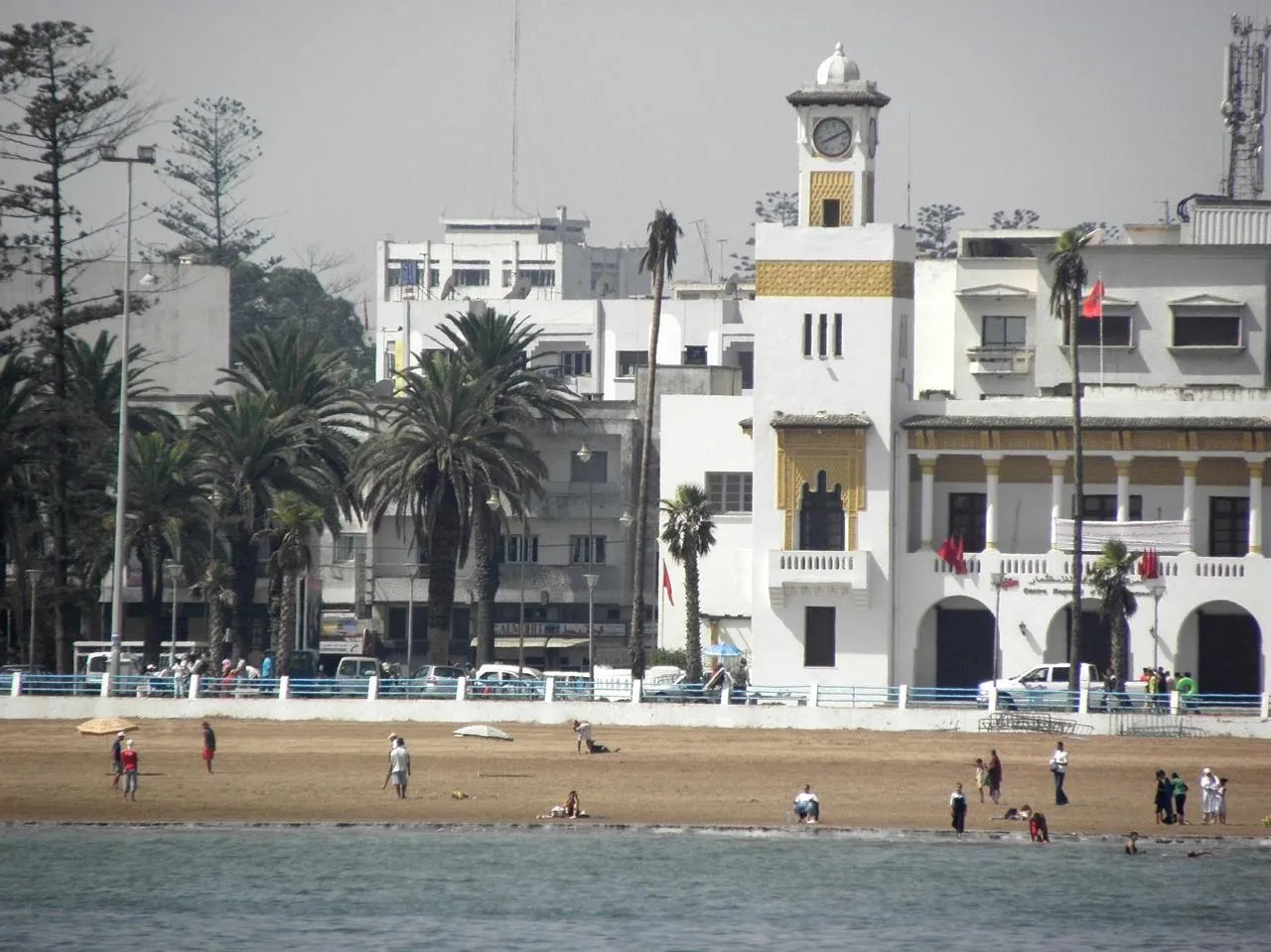
No visitor can deny the rare natural beauty that Jdida possesses. The city's beach stretches adjacent to a diverse urban fabric, surrounded by historical landmarks dating back to the Portuguese era, and the corniche stands out as one of the most beautiful open spaces overlooking the Atlantic Ocean. Just minutes from the city center, visitors find beach resorts like Sidi Bouzid and El Hozia, with Oualidia not too far to the south, offering a diverse tourism experience that combines open beaches, natural coves, and coastal lagoons.
This diversity should have positioned Jdida as a leading coastal tourism capital in the Casablanca-Settat region; however, reality reveals a gap where natural potential has not been matched by corresponding investments and infrastructure development aimed at enhancing its tourism appeal. While other Moroccan cities have revamped their waterfronts, improved public spaces, attracted major hotel brands, and diversified their cultural and entertainment offerings, Jdida has relied heavily on its historical and natural assets, without a significant upgrade in service quality.
The beauty of Jdida's beach is undeniable; its soft sands, Atlantic openness, and proximity to residential areas make it a favored space for thousands of families. Yet, a brief stroll along the corniche and the streets leading to the beach unveils a painful paradox. While the sea presents a bright image, parts of the city exhibit signs of neglect that do not resonate with the status of a tourist destination expected to welcome hundreds of thousands of visitors each summer. Litter still mars the general landscape in certain areas, and numerous sidewalks and public spaces are in dire need of maintenance and rehabilitation, especially as locals complain about the lack of care for green spaces during the peak tourist season. Furthermore, the occupation of public domain remains one of the city’s most significant challenges, with some sidewalks transforming into makeshift commercial spaces during the summer, obstructing pedestrian movement and detracting from the aesthetic appeal of the waterfront.
Several community actors emphasize that seasonal cleanup campaigns, while important, are insufficient to address this issue unless they evolve into a permanent policy rooted in strict law enforcement and respect for regulations.
In years gone by, Jdida's summer evenings would extend late into the night, with public squares and the corniche hosting concerts and artistic performances that attracted families, creating an economic dynamism that benefited everyone involved. Today, many professionals lament that the city has lost much of this vibrancy. Entertainment programs, if they exist, are limited in duration and impact, failing to meet the expectations of a city ranked among Morocco's top coastal destinations. Cafe and restaurant owners assert that tourists no longer settle for just swimming; they seek comprehensive experiences that encompass culture, entertainment, sports, and shopping—elements that have become essential competitive benchmarks among tourist cities.
Observers note that many coastal cities have successfully transformed the summer season into an extended open festival, while Jdida still requires a fresh vision that transforms its public spaces into vibrant platforms for life rather than mere thoroughfares.
The corniche, once the heart of Jdida, has become a space in dire need of a complete overhaul—not only in terms of facilities but also regarding visual identity, lighting quality, street furniture, green areas, and organization of commercial and entertainment activities. Urban planners and engineers believe that Jdida's waterfront has all the ingredients to become one of the most beautiful promenades in Morocco, but this requires a comprehensive project that does not limit itself to piecemeal work, but instead reimagines the relationship between the city and the sea, providing visitors with a holistic tourist experience from the moment they arrive until they depart.
Although Jdida's beach maintains its natural beauty, economic indicators related to the summer season reveal a different reality. The city, which once welcomed tens of thousands of vacationers weekly, no longer experiences the same level of dynamism, directly impacting various economic activities tied to tourism. A visit to Al-Hansali Square, Mohammed V Street, the corniche, and the neighborhoods adjacent to the beach reveals a scene that was unfamiliar just a few years back. Men and women stand at the entrances of alleys holding keys to rental apartments, waiting for customers who have significantly dwindled in number. They approach every car with out-of-region plates, offering varying prices, only to return to their posts after receiving polite refusals from families who have chosen alternative destinations or opted for brief visits without overnight stays. This recurring scene during the summer underscores the drastic shift that the tourism accommodation market in the city has undergone.
In previous years, finding a rental apartment during July and August was a challenge; prices would automatically rise with demand. Today, however, supply often exceeds demand, forcing many owners to lower their rates to maintain a minimum income. This situation is not limited to furnished apartments; classified hotels are also facing unfair competition from unregulated accommodations, as thousands of apartments operate without any clear organization or adherence to the legal frameworks that govern tourism establishments. Industry professionals express concern that this situation raises numerous questions, creating an unfair competitive environment, depriving municipalities of significant tax revenues, and negatively impacting the city's image, especially when some apartments turn into spaces that flout legal and ethical standards, tarnishing Jdida's reputation as a premier family-friendly destination.
Inside the seaside cafes, the same complaints echo. The number of customers is not proportional to the capacity, and daily revenues sometimes fail to cover rising operational costs, especially with soaring prices of raw materials and energy. Restaurant owners echo similar sentiments, stating that while business picks up on weekends, it remains limited during the rest of the week, in stark contrast to previous years when the city experienced a continuous tourist season from late June to mid-September. Small traders, vendors of traditional products, and ice cream shop owners agree that the decline in foot traffic has directly impacted their sales, whereas previously they enjoyed a bustling business environment.
As reported by alittihad.info.