
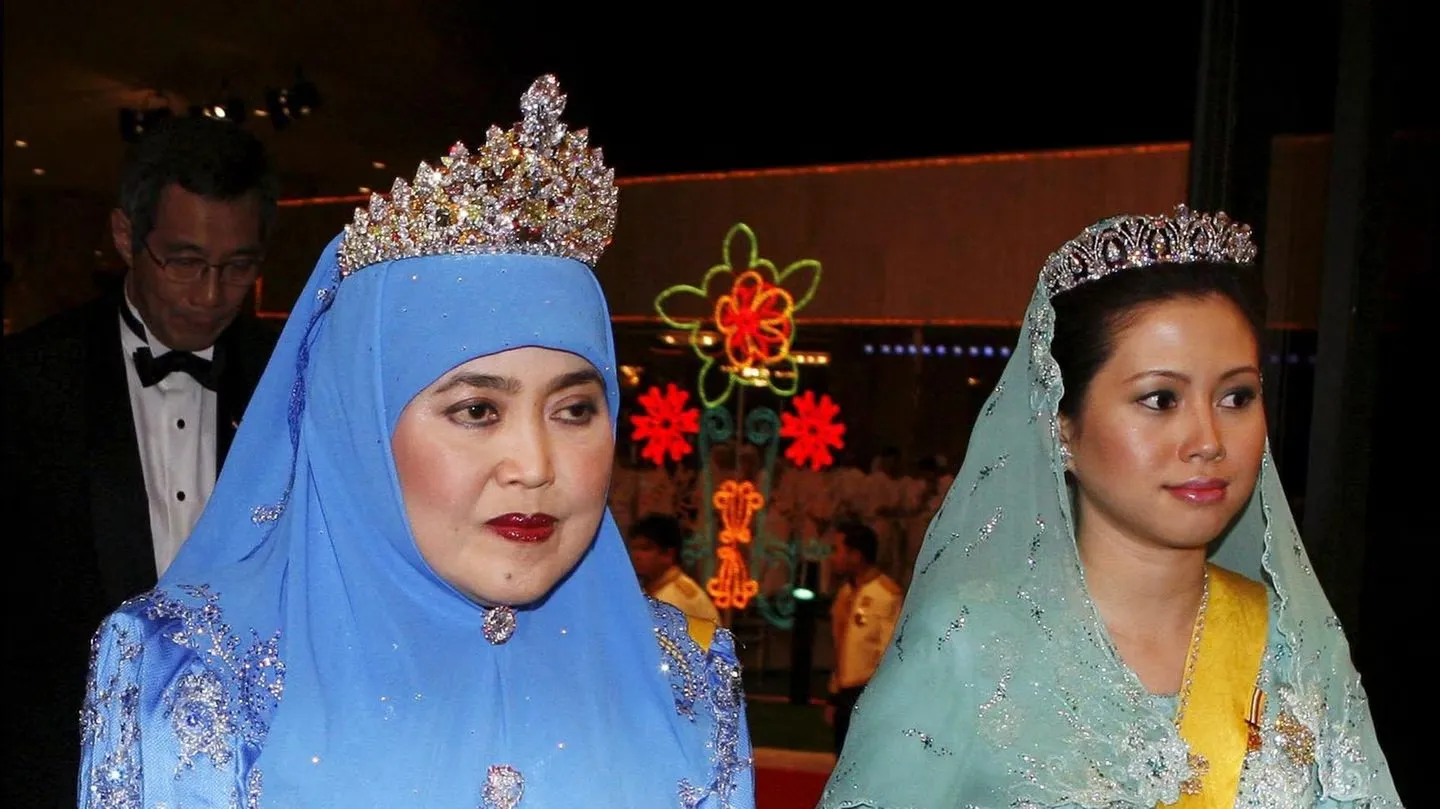

Jewels of the Orient: Spectacular Royal Treasures from 1001 Nights
Diamonds, emeralds, sapphires, and rubies: while these stunning jewels from the royal houses of Qatar, Morocco, Iran, and beyond dazzle with their brilliance and craftsmanship, they remain relatively unknown to the broader public. GALA showcases the most beautiful treasures from the legendary tales of 1001 Nights, highlighting the exquisite artistry and cultural significance behind these magnificent pieces.
One such remarkable jewel is Queen Rania's Ali-Cartier Tiara, which stands out from traditional royal adornments due to its unique abstract design. Instead of floral motifs, this exquisite piece features diamonds that form a high, sparkling crown around her head. Originally gifted by King Hussein to his third wife, Queen Alia, in the 1970s, this tiara became an heirloom passed down to their daughter, Princess Haya. Queen Rania wore this stunning tiara during the coronation of King Abdullah II in 1999, later donning it again at a gala dinner in Madrid, allowing the tiara's intricate design to take center stage.
Despite their grandeur, many of these impressive jewels receive little attention. The presence of Eastern royals is less pronounced in Europe, making official photographs and appearances harder to come by. However, GALA has captured the most striking moments featuring these breathtaking jewels, showcasing their beauty and history.
Among the treasures is a stunning sapphire brooch worn by Queen Noor during a meeting with Bill Clinton in 2005, which later made an appearance at the wedding of her daughter, Princess Raiyah bint Hussein. The brooch, which had previously adorned dark blue gowns, was styled in a contemporary manner by Raiyah, showcasing the versatility and timeless appeal of royal jewelry.
Another fascinating piece is the mini tiara owned by Princess Lalla Khadija of Morocco, gifted to her as a child. This diamond-encrusted tiara has caught the public's attention during her rare public appearances, particularly during a solo event in 2019 and a visit from Brigitte Macron in 2024.
Continuing this tradition of exquisite craftsmanship, the late Empress Farah Pahlavi’s crown is another highlight. Created by renowned jewelers Van Cleef & Arpels, this stunning piece features 1,469 diamonds, 105 pearls, and a collection of emeralds and rubies, weighing nearly two kilograms. It was designed under strict secrecy within a guarded vault in Tehran, as the gemstones could not legally leave the country.
Similarly, the Phoenix crown worn by Queen Jetsun Pema of Bhutan symbolizes the monarchy's legitimacy during state functions, including her wedding in 2011. Its intricate design reflects the rich cultural heritage of Bhutan, making it a significant emblem of royal authority.
Additionally, the Aga Khan emerald, once lost for over 50 years, and the tales of lost diadems from the Persian royal lineage, such as Princess Shahnaz's diamond tiara, add layers of intrigue to these royal jewels. The history of these pieces often intertwines with the broader narrative of their respective nations, reflecting both the artistry and the tumultuous histories of their past.
These jewels, often overshadowed by more prominent Western royal treasures, deserve recognition for their beauty and the stories they carry. Each piece is not just an accessory but a symbol of heritage, culture, and the artistry that defines royal craftsmanship.
As reported by gala.de.
