
Joint Military Training in Agadir: Enhancing Drone Capabilities
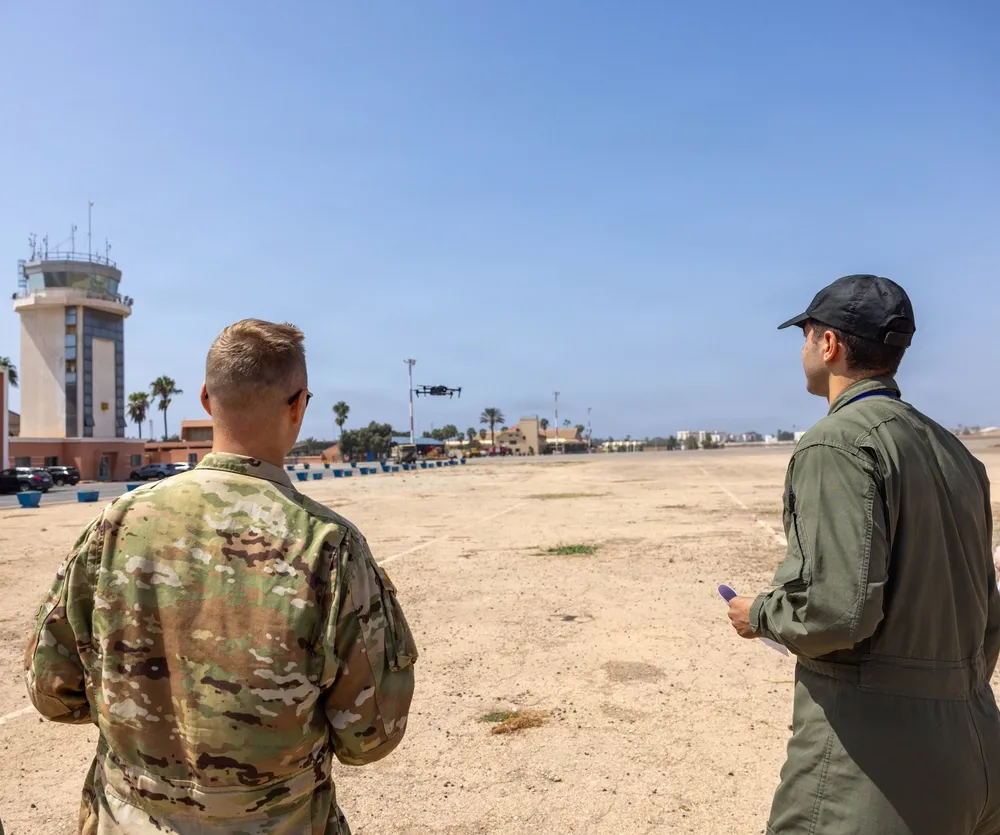
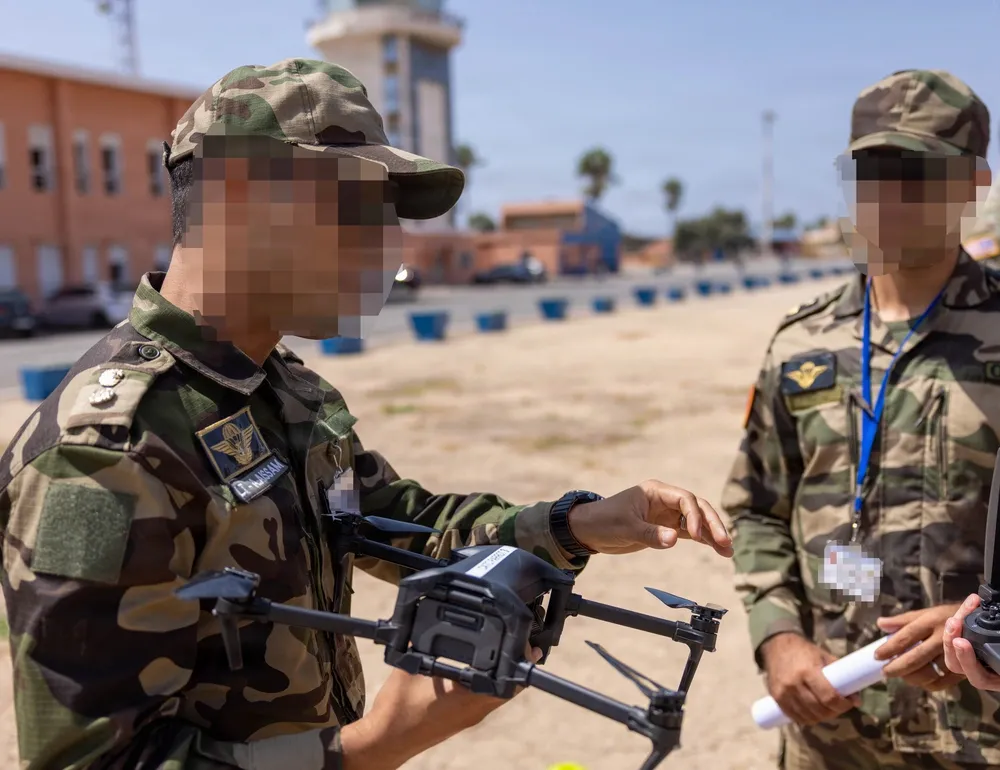
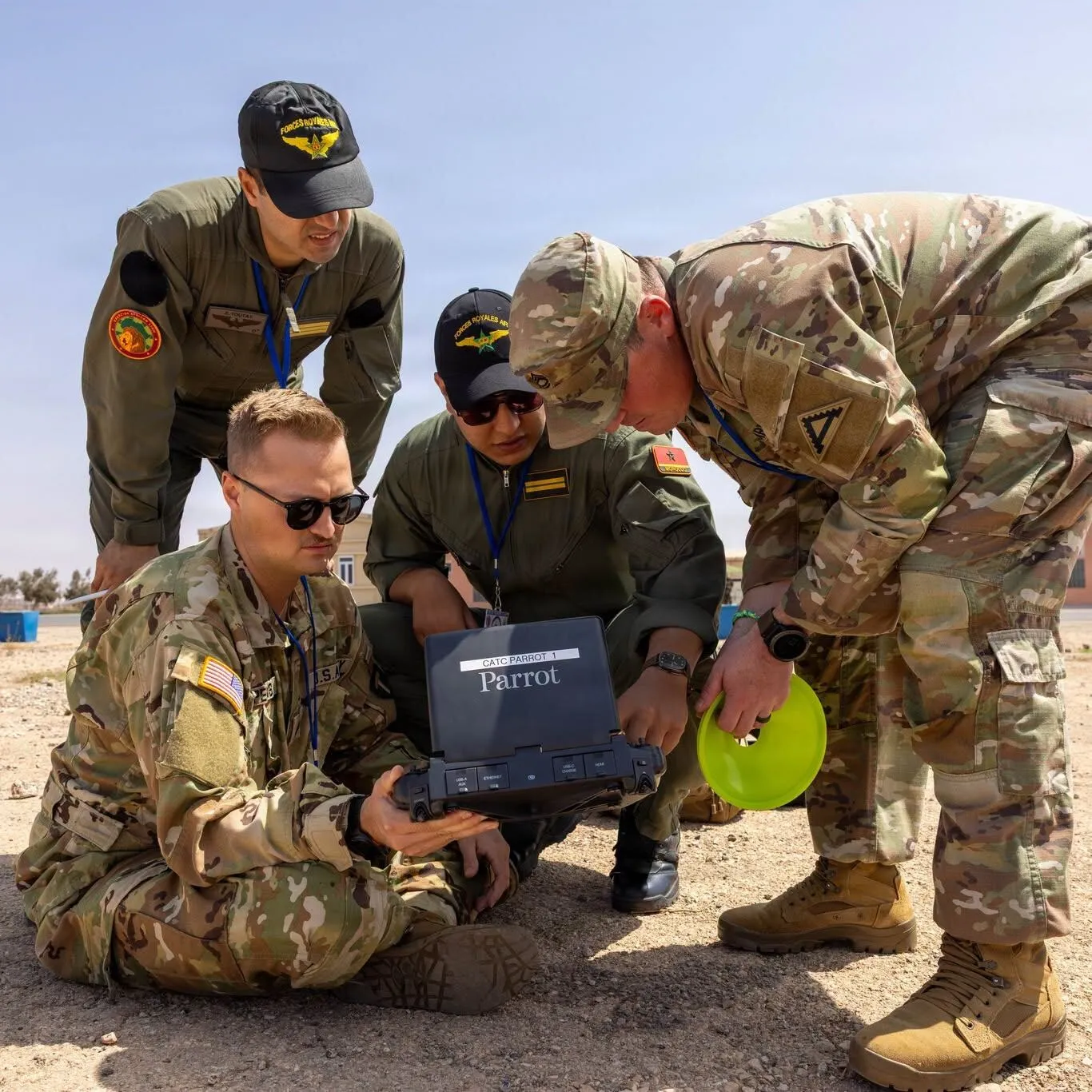
In a significant military collaboration, the Royal Armed Forces of Morocco and the Utah National Guard convened in Agadir this September for a specialized training session focused on small tactical drones. This initiative aims to cultivate future instructors and bolster operational coordination between the two armies, which have maintained a partnership for over 23 years.
The training program was organized in conjunction with the U.S. Africa Command (AFRICOM) and involved the participation of the Combined Arms Training Center and the 7th Army Training Command, both from the U.S. garrison in Vilseck, Germany. The objective of this training was to develop skilled operators and instructors from both Morocco and the United States, thereby enhancing interoperability between the two forces.
According to Lieutenant Colonel Corbett Baxter of the Southern European Task Force Africa, events like this provide an opportunity to harness emerging capabilities and transform them into practical tools for military operations. He emphasized that training alongside Moroccan partners fosters interoperability, while also integrating unmanned systems into broader operational frameworks, ultimately making the forces more capable and lethal.
First Lieutenant Jake Sorenson, who is spearheading a drone program specific to Utah, highlighted the importance of developing a comprehensive, multi-tiered drone initiative within the state. He stated that the U.S. recognizes the permanence of drone technology in modern warfare, and the sooner they are integrated, the greater the advantage gained.
Training Outcomes: Skills Development and Future Strategies
One of the notable participants in the training, Sergeant Technician Michael Bennion from the 151st Security Forces Squadron of the Utah Air National Guard, had never piloted a drone before this course. He acknowledged his initial unfamiliarity with drone operation but gained valuable insights into stabilized and non-stabilized flight, control sensitivity, and various operational modes. Bennion expressed that staying at the forefront of technology is vital for future warfare, and he intends to relay the training received back to his unit, potentially aiding law enforcement in crowd management and identifying individuals involved in violent acts.
Chief Warrant Officer Kenton Hemsley, who manages unmanned systems at Camp Williams and is a member of the 65th Field Artillery Brigade in Utah, emphasized the need for each military specialty to develop its own drone integration procedures. He insisted that every soldier must grasp the operational and defensive importance of these systems.
Sergeant Major Mohammed Idamr from the Royal Armed Forces reflected positively on the training, stating that the Small Unmanned Aircraft Systems (SUAS) program provided him with essential knowledge and practical skills, including drone piloting, mission planning, meteorology, security, and instruction. He underscored the training's role in enhancing their understanding of unmanned systems' functions in military missions and improving their tactical employment of drones within the Royal Armed Forces.
As reported by fr.le360.ma.