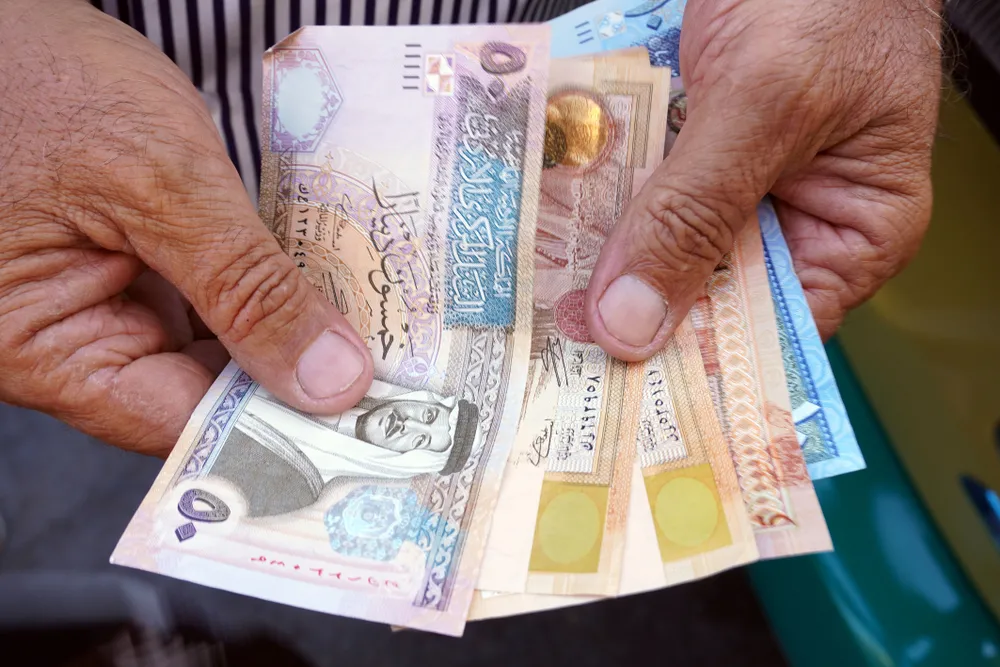

Jordan's Economic Growth Surges to 3%
In a notable development for the Middle East, Jordan's economy has experienced a remarkable growth rate of 3% in the second quarter of 2026, an increase from 2.8% during the same period in the previous year. This growth comes despite the backdrop of regional conflicts and ongoing macroeconomic volatility that have affected many neighboring countries. The figures, as reported by the Jordan News Agency, indicate that the country's GDP expansion has outperformed expectations set by various international financial institutions, highlighting a resilient economic landscape bolstered by productivity improvements across critical sectors.
The growth momentum in Jordan's economy can be attributed to significant productivity gains in key industries. The agricultural sector emerged as a standout performer, achieving an impressive growth rate of 7.8%. This was closely followed by the manufacturing industry, which expanded by 6.2%, and the electricity supply sector with a growth of 5%. Water supply services also contributed positively with a growth of 4.1%. Collectively, these sectors not only enhanced Jordan's GDP but also underscored the importance of diverse economic activities within the nation. Notably, manufacturing remains the largest sector, accounting for 17.2% of the GDP, followed by real estate activities at 12.2% and public administration at 7.9%.
Morocco's Economic Slowdown
Conversely, Morocco is experiencing a slowdown in its economic growth, which has decreased to 4% in the second quarter of 2026, down from 5.8% a year prior. The High Commission for Planning (HCP) reported that this slowdown reflects contrasting trends across various sectors. The non-agricultural sector, in particular, has seen a meager growth of just 1.5%, primarily due to a significant decline of 28.6% in extractive industries and a 3.2% contraction in manufacturing. Interestingly, agricultural activities in Morocco saw a remarkable increase of 21.2%, highlighting the sector's critical role in the economy amid broader challenges.
The HCP indicated that domestic demand has been a driving force for economic growth, albeit against a backdrop of rising financing needs and controlled inflation. However, the secondary sector in Morocco has faced challenges, contracting by 3.9% in volume terms. The construction sector also reported a slowdown, growing only by 2.8% compared to 7.6% in the previous year. Overall, the contrasting economic trajectories of Jordan and Morocco illustrate the complexities and variances within the regional economy, where some nations thrive while others face significant headwinds.
As reported by arabnews.com.