
Morocco's Political Maneuvering and Migration Challenges
On September 28, 2026, former head of Spanish intelligence, Jorge Dezcallar, provided insights into the recent surge of migrants crossing into Ceuta, dismissing any involvement from the United States or Israel. Dezcallar, who has served as Spain's ambassador to Morocco and the U.S., asserted that Morocco's actions were a calculated reminder to Spain of the power dynamics at play between the two nations. During an interview with Ràdio 4 and 2Cat, he emphasized that the Moroccan government aimed to illustrate to Madrid who holds the upper hand in this geopolitical relationship.
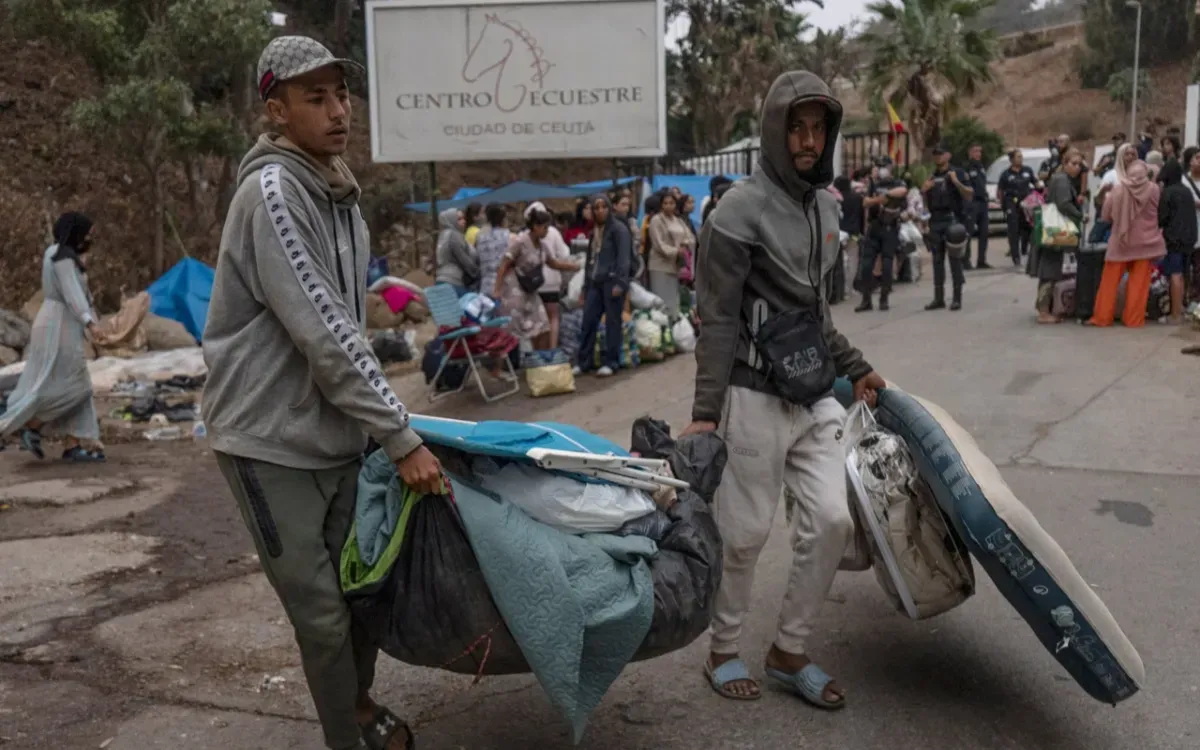
The former intelligence director noted a perceived shift in Spain's attitude towards Morocco, citing Spain's recent decisions, such as granting citizenship to certain Sahrawis and re-establishing relations with Algeria, which may have prompted Rabat's assertive actions. The political landscape, as he describes, is marked by a significant event that occurred on July 30 and 31, when approximately 72,000 migrants were recorded attempting to enter Ceuta. This incident has led to significant discussions within the Spanish government, with Prime Minister Pedro Sánchez acknowledging failures in Moroccan border controls, although he refrained from directly accusing Rabat of orchestrating the mass migration.
Is Russia Playing a Role?
In stark contrast to accusations directed at the U.S. and Israeli governments, Dezcallar suggested that other nations, potentially including Russia, might benefit from sowing discord among European nations, especially in the strategically vital Strait of Gibraltar. He expressed concern over the inadequate establishment of the circumstances surrounding the mass crossings, labeling the living conditions of migrants in Ceuta as alarming, reminiscent of a refugee camp in Sudan.
Additionally, Dezcallar criticized the Spanish government's decision to declassify various intelligence reports related to the ongoing crisis, which he described as a reckless move that could expose Spain's intelligence operations, resources, and vulnerabilities to foreign entities. This disclosure may compromise the safety of informants and collaborators working with Spanish intelligence, potentially deterring them from cooperating in the future. The former CNI chief's remarks underscore the complexities of the migration crisis and the intricate layers of international relations influencing the situation.
As reported by bladi.net.