
Justice Minister Fernando Rabat's Role in Security Reform
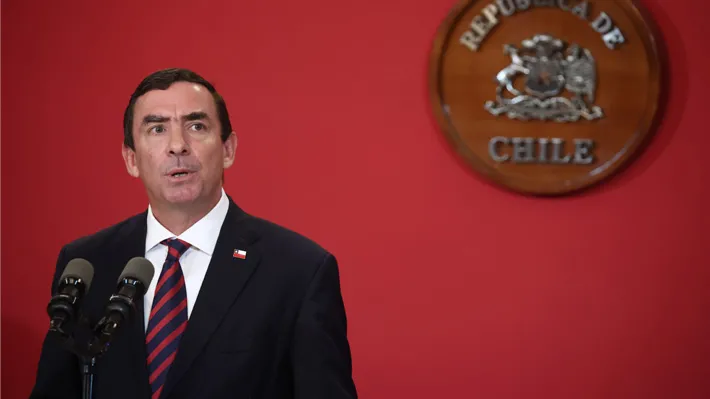
In the evolving landscape of Chile’s legislative framework, Justice Minister Fernando Rabat has emerged as a pivotal figure in the ongoing reforms aimed at combatting organized crime and terrorism. This week, Rabat partnered with President José Antonio Kast to enact a law enhancing the duration of flagrant offenses, marking a significant achievement for the government amidst rising violence, including the tragic deaths of two police officers. This milestone has been hailed as a primary victory in the broader agenda known as the Agenda against Organized Crime and Terrorism (Acot).
The implementation of this flagrant law has underscored Rabat's crucial position within the Acot framework. His active involvement in the legislative process has garnered recognition both within the cabinet and the legislature, where it is noted that he is overseeing a significant portion of the projects under consideration. Notably, during discussions regarding a new security reform led by Senators Andrés Longton, Arturo Squella, and Pedro Araya, Rabat was identified as the government's key interlocutor concerning the proposed project, which ultimately influenced the government to retract its initial proposal in favor of this new initiative.
On Tuesday, Rabat's presence was felt during a congressional meeting focused on this security reform, which not only persuaded the government to withdraw its previous stance but also secured support from opposition legislators, including Iván Flores and Karim Bianchi. The Minister of Security, Martín Arrau, acknowledged Rabat’s contributions during a recent interview, emphasizing the progress made on various legislative fronts, including the anti-bullet law aimed at increasing penalties for the introduction of prohibited items into prisons.
A Dialogue-Driven Approach
Rabat’s approach within the Congress is characterized by his technical and dialogue-oriented style, which contrasts with the more confrontational tactics employed by some of his cabinet colleagues. His background in civil law has equipped him with the negotiation skills necessary for fostering consensus and crafting agreements. His status as an independent politician is also viewed favorably among legislators, as it allows him to engage more freely without the constraints of party loyalty.
Senator Iván Flores remarked on Rabat's enthusiastic participation in recent discussions, highlighting his reasonable legislative behavior and his commitment to addressing national issues through the reform projects. Conversely, Senator Karim Bianchi noted that both Rabat and Arrau are effectively steering the agenda forward, with Rabat’s technical expertise as a professor enhancing his ability to forge viable and successful legislation.
Despite the growing recognition of his role, the government maintains that Rabat does not overshadow Arrau in the legislative process. Instead, they emphasize a collaborative effort between the two ministries, with Rabat’s robust legal team providing significant support. The guiding narrative within the government is that 'Justice contributes to Security,' aligning with President Kast's primary campaign promise.
When questioned about his burgeoning role, Rabat expressed comfort in his position, noting the institutional strength of the Justice Ministry and its supportive teams, which enable effective parliamentary engagement. He emphasized that personal prominence is secondary to the importance of teamwork in achieving legislative goals.
As reported by emol.com.