
Strengthening Economic Collaboration between Kazakhstan and Morocco
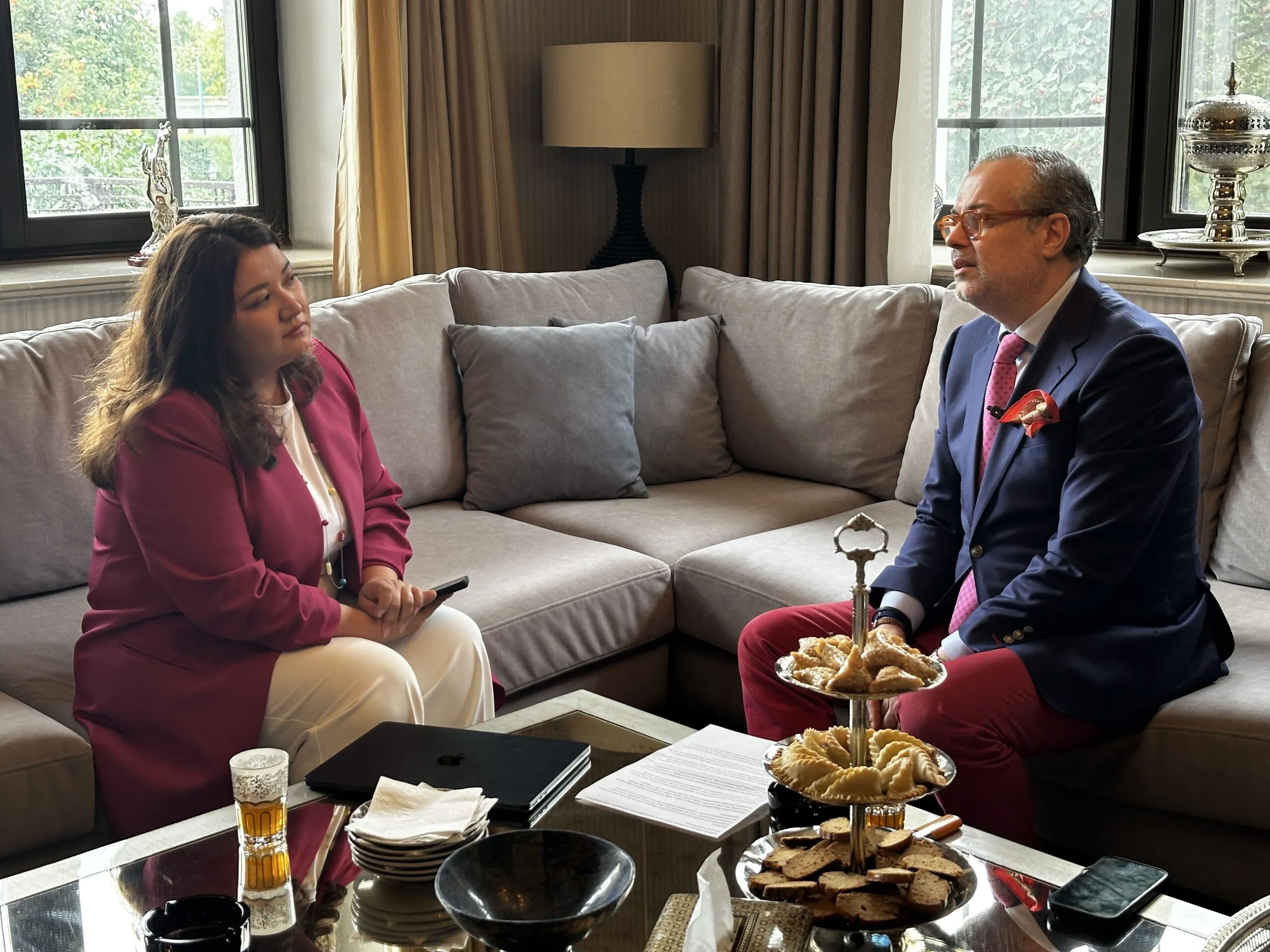
In recent developments, Kazakhstan and Morocco are actively seeking to transform their burgeoning political relationship into tangible economic collaboration. Mohammed Rashid Maaninou, the Moroccan Ambassador to Kazakhstan, emphasized that logistics, grain supplies, investment opportunities, and renewable energy stand out as key areas ripe for cooperation. He articulated Morocco's strategic geographical positioning as a "geostrategical hub" within Africa, which, combined with its robust industrial base, port infrastructure, and extensive trade networks, presents a significant opportunity for Kazakh businesses aiming to penetrate broader international markets.
This strategic positioning has become increasingly important for Kazakhstan as it explores avenues to enhance agricultural trade and address the logistical challenges posed by the considerable distance between Central Asia and African markets. Notably, Morocco began importing Kazakh wheat for the first time last year, receiving two shipments of approximately 30,000 tonnes each. Maaninou indicated that this volume is expected to increase significantly in the coming year. With Ukraine's supply no longer viable, and prices in the U.S., Canada, and Brazil being less competitive, Kazakhstan’s wheat emerges as an attractive alternative.
However, the ambassador acknowledged that logistics remain a pivotal challenge in broadening this trade, particularly due to Kazakhstan's landlocked nature. Nevertheless, he believes that Morocco's strategic Atlantic position can transform this logistical hurdle into a commercial opportunity. Maaninou revealed that a significant agreement was signed two years ago, allowing Kazakhstan to store large quantities of cereals in Morocco, thereby facilitating distribution to African markets from the Moroccan ports.
Pragmatic Approaches to Geopolitical Challenges
The dialogue surrounding connectivity also raises broader considerations regarding how both Kazakhstan and Morocco maneuver through their unique geopolitical landscapes. Both nations have demonstrated a commitment to maintaining a degree of autonomy in their foreign relations, skillfully balancing partnerships with more powerful nations while cultivating practical collaborations that do not confine them to a single geopolitical bloc. Maaninou characterized this pragmatic stance as an ability to leverage geopolitical constraints into strategic advantages, rather than mere neutrality. He noted that while navigating relationships with major powers like Russia and China, Kazakhstan’s diplomatic history under President Kassym-Jomart Tokayev plays a crucial role in shaping its foreign policy.
Moreover, Morocco brings to the table a long-standing tradition of diplomacy, having existed as a nation for over fourteen centuries. This extensive experience equips Morocco with unique insights into navigating the complexities of international relations, fostering a strategic affinity between the two nations. Maaninou pointed out that Morocco’s evolution into a competitive player on the global stage is not merely about geographical benefits; it involves a deliberate focus on industrial growth and investment opportunities. Over the past two decades, Morocco has strategically identified sectors where it can excel internationally, leading to the development of substantial automotive and aerospace industries, along with a fortified logistics framework centered around the Tangier port complex.
As the two countries work towards enhancing their diplomatic and commercial ties, the potential for increased cooperation in renewable energy also stands out. Maaninou highlighted the synergy between Kazakhstan’s rich natural resources and Morocco’s expertise in integrating renewable energy sources into its power grid, where wind and solar energy already account for a significant portion of electricity generation. With discussions underway for direct flights between Casablanca and Almaty, the groundwork is being laid for enhanced connectivity that could further facilitate business engagements and tourism exchanges.
In conclusion, as Kazakhstan and Morocco continue to foster their relationship, they are poised to create a partnership characterized by mutual benefits, leveraging their respective strengths to navigate the complexities of a changing global landscape. The challenge remains to convert this strategic alignment into consistent trade flows, direct connectivity, and collaborative projects that encourage ongoing business engagement.
As reported by astanatimes.com.