ECOWAS Summit Highlights in Sierra Leone
This week marks a significant moment in West African politics as the 69th summit of the Economic Community of West African States (ECOWAS) took place in Lungi, Sierra Leone. During this vital gathering, Senegal's President Bassirou Diomaye Faye was elected as the new chairperson of the regional organization, taking over from Sierra Leone's President Julius Maada Bio, who had held the position since 2025. Additionally, the summit saw the appointment of Birame Diop, the former Senegalese Minister of Defense and Chief of General Staff, as the President of the ECOWAS Commission for the term from 2026 to 2030. Diop is set to assume office on September 1, succeeding Dr. Omar Alieu Touray from Gambia.
A key outcome of the summit was the signing of an intergovernmental agreement concerning the African Atlantic Gas Pipeline (AAGP). This agreement solidifies the commitment of ECOWAS member states to this strategic infrastructure project initiated by Nigeria and Morocco in 2016. The pipeline, which spans approximately 6,800 kilometers, aims to transport natural gas from Nigeria along the Atlantic coast through 13 countries to Morocco, where it will connect to the European gas network. With a projected transportation capacity of up to 30 billion cubic meters of gas annually, the pipeline plans to allocate around 15 billion cubic meters for Morocco and European markets, while the remaining volume will supply the regional markets in the ECOWAS countries traversed by the pipeline. Initial discussions regarding the regional integration of this pipeline began during the 66th ECOWAS summit in December 2024. Following the agreement's signing, central project structures are expected to be established, including a project company based in Casablanca and a supervisory authority located in Abuja, paving the way for further investor involvement. A separate signing is required from Morocco and Mauritania, both of which are not ECOWAS member states. The first segments of the pipeline are anticipated to be operational by 2031, with ECOWAS expressing enthusiasm for collaboration with Morocco, highlighting the project's potential for regional energy supply, economic development, and investment in line with the ECOWAS Vision 2050.
Furthermore, the ECOWAS reiterated its commitment to its integration goals, including the introduction of a shared currency, the ECO, which is still scheduled for 2027. This rollout will begin with countries that meet the established convergence criteria, while those yet to meet these standards will receive support for future participation. The community also emphasized food security and regional connectivity; efforts to accelerate the implementation of the ECOWAS Rice Agenda aim to reduce dependency on food imports, while measures to lower flight costs in West Africa are being advanced.
In matters of peace and security, the heads of state called for transparent transition processes in Guinea-Bissau and the release of political prisoners, condemning xenophobic attacks on West African nationals in South Africa. They confirmed the ongoing implementation of the regional anti-terror brigade, which is expected to be fully operational by July 2027. Additionally, discussions regarding relationships with the expelled AES states of Burkina Faso, Mali, and Niger remained a topic of the summit, with ECOWAS affirming its intention to continue talks with these nations and extending the mandate of chief negotiator Lansana Kouyaté until December 2026.
Presidential Election Results in São Tomé and Príncipe
On Monday, the electoral commission in São Tomé and Príncipe announced the preliminary results of the presidential elections held the previous Sunday. The incumbent president, Carlos Vila Nova, successfully secured a second term with 55.94% of the votes, thereby avoiding a runoff election.
In other news, German Foreign Minister Johann Wadephul concluded a four-day African tour, which included stops in Mauritania, Nigeria, and South Africa, accompanied by a business delegation.
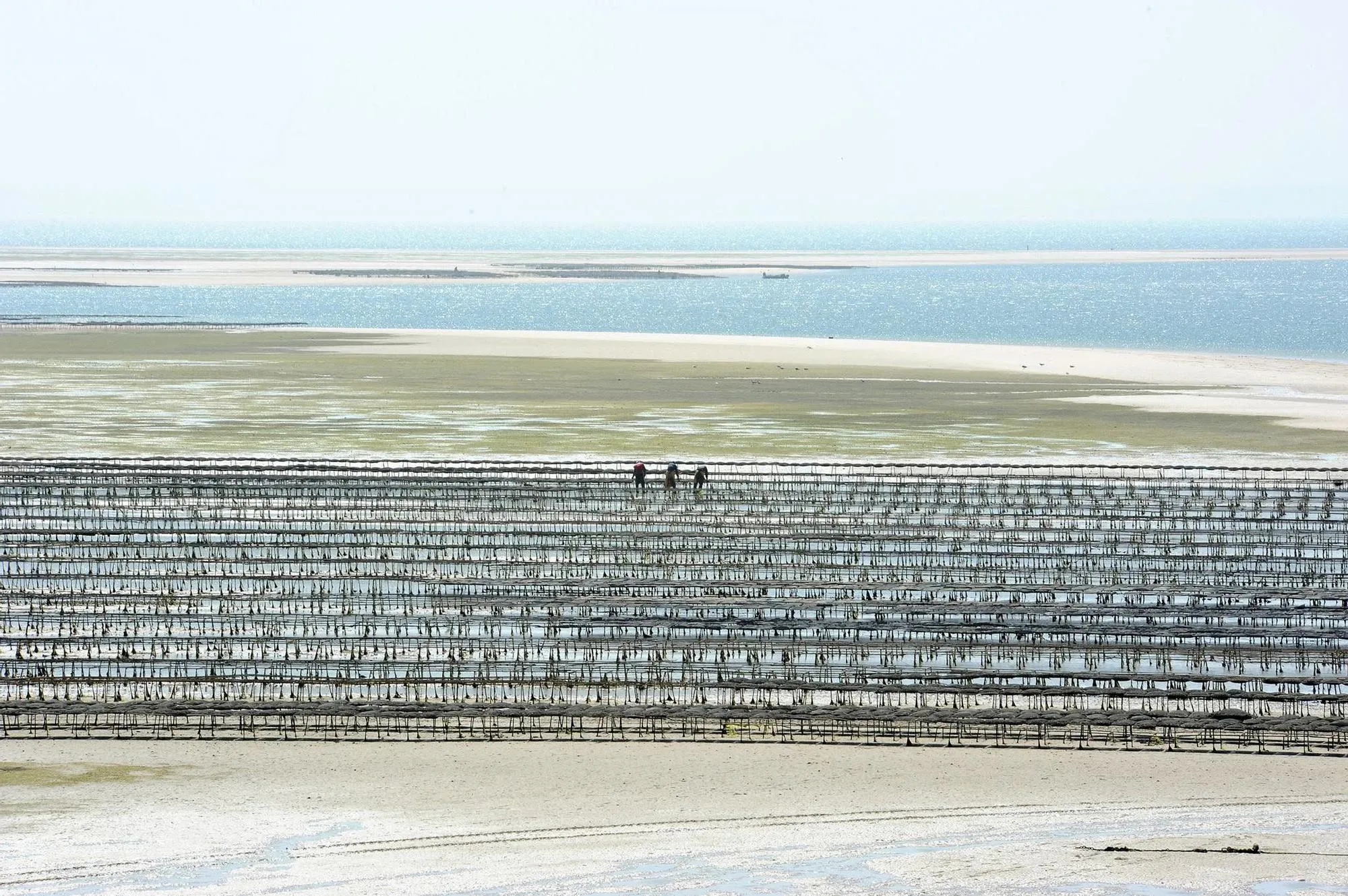
Additionally, a research team from the Institute for Fisheries and Marine Research in Benin published a study on the discovery of a living coral community in the mid-depth ocean off the coast of Benin.
As reported by africa-live.de.