
Hello everyone,
Welcome to this new edition of the _Jeune Afrique_ Brief, your weekly newsletter that highlights the essential political and economic news from the continent.
Here’s what’s on the agenda this week:
- Investigation into Air Sénégal
- Insights from the Moroccan legislative elections
- The power trio in Côte d'Ivoire
- In the DRC, the battle for the streets
- China's dominance over African lithium
Happy reading!
1. Air Sénégal: How Long Can the State Sustain Its Lifeline?
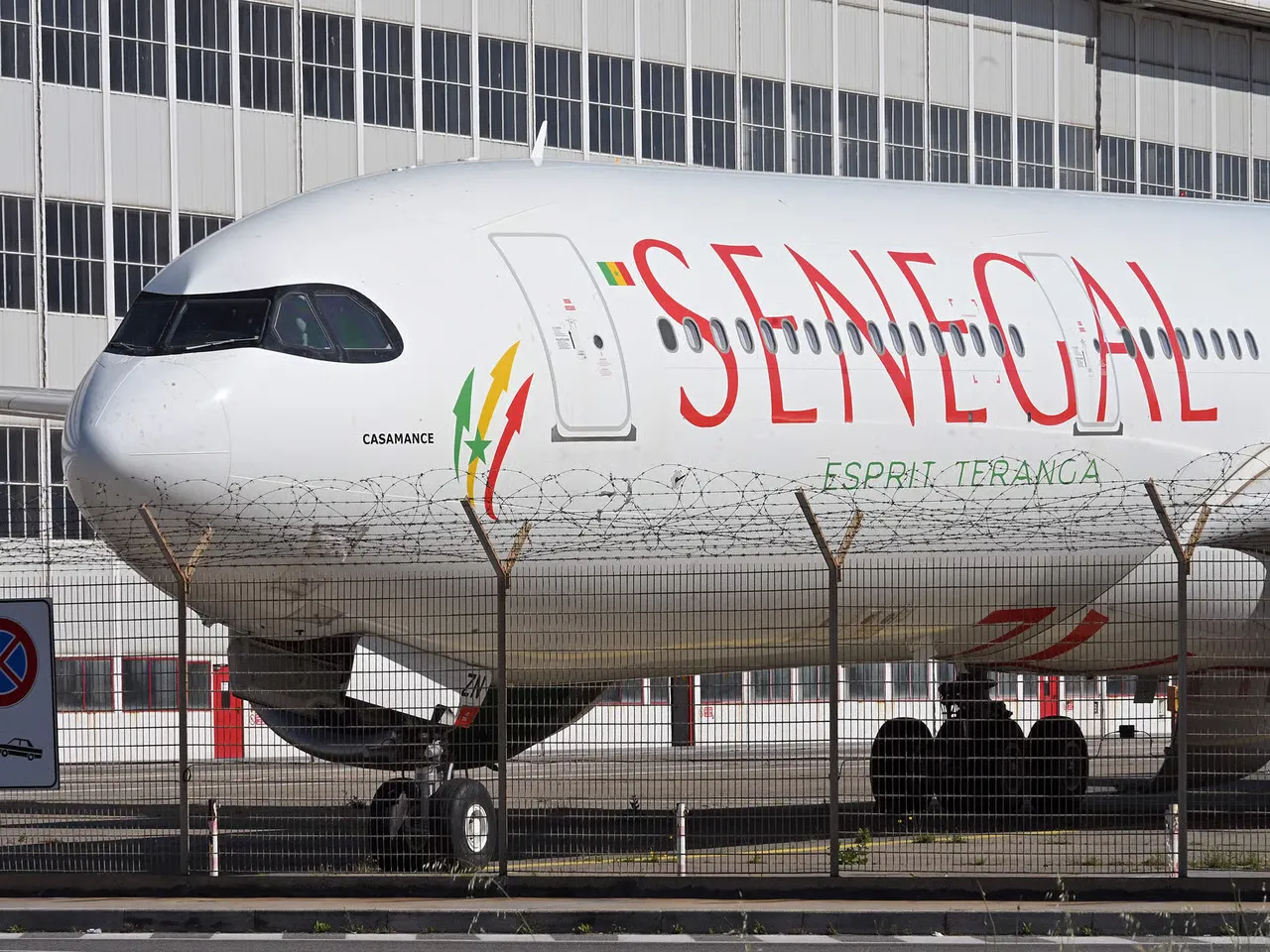
Traffic Decline. Since 2024, Air Sénégal has been burdened by a debt estimated at 118 billion CFA francs (approximately 180 million euros), while its equity has plummeted to -137 billion CFA francs. This financial fragility is compounded by a deterioration in commercial performance, with a 21.7% drop in passenger traffic between the first halves of 2024 and 2025. [Investigative journalists Salimata Koné and Fatoumata Diallo have delved into the causes and stakes of this decline](https://www.jeuneafrique.com/1838853/economie-entreprises/air-senegal-jusquou-letat-pourra-t-il-maintenir-sa-perfusion/).
Grounded Fleet. In 2023, Air Sénégal operated a fleet of nine aircraft: two A330-900neo, two A321, two A319, one A220, and two ATR 72-600. This fleet has been gradually reduced to just two aircraft due to unpaid debts, seizures, and grounding. Consequently, the airline has been accumulating delays and route closures, notably affecting the Dakar-New York service.
Rebuilding the Fleet. To maintain operational continuity, the national airline relies on expensive aircraft leases and the Senegalese state, its sole shareholder. However, the recovery plan initiated by the government in April 2025 has struggled to yield results, leading to an ongoing increase in the airline's debt. Given these circumstances, can the state alone finance the nine Boeing 737 MAX ordered to revive Air Sénégal?
2. Morocco: Alliances Forming as the Nation Awaits the Prime Minister's Selection
Prime Minister Role. Having topped the legislative elections on September 23, the [National Rally of Independents (RNI) is now waiting for Mohammed VI to appoint the next Prime Minister](https://www.jeuneafrique.com/1846465/politique/maroc-dans-lattente-du-choix-du-chef-du-gouvernement-les-alliances-prennent-forme/). Fatima Ezzahra El Mansouri and Fouzi Lekjaâ appear to be the leading candidates for the position. Mansouri asserts that the RNI has set “no red lines” in forming the next majority and emphasizes that programs should be the main negotiation criterion.
Decline. The RNI has seen its seats drop from 103 to 66, while Istiqlal holds 65 and could gain two more, increasing its total to 67. Nizar Baraka is waiting for his party's national council meeting before deciding on potential participation in the next government.
Opposition Dynamics. The Justice and Development Party (PJD) has increased its representation from 13 to 54 seats. Abdelilah Benkirane has ruled out any alliance with the RNI, stating that his party intends to remain in opposition and to challenge the next government. His national council is set to meet on Saturday in Bouznika to finalize the party's stance. The composition of the future majority will hinge on the choice of the next Prime Minister and negotiations between various political entities.
As reported by jeuneafrique.com.